


How to Remove Pet Odors From Rugs Safely
Learn how to remove pet odors from rugs without harming color or fibers, plus when professional washing is the smarter choice for a fresh home that lasts.
A rug that is almost right can throw off an entire room. The size feels slightly short under the sofa, the color competes with the drapery, or the pattern looks beautiful on its own but too busy once everything is in place. A good custom rug design guide starts there – not with trends, but with the real reason homeowners choose custom in the first place. They want a room that feels considered, comfortable, and deeply personal.
Custom rugs work best when they solve a specific design problem while adding something special to the space. Sometimes that means finding the exact dimensions a standard rug cannot offer. Sometimes it means softening a large room, balancing a bold furniture silhouette, or introducing quiet luxury through texture rather than pattern. The beauty of custom is not that you can choose everything. It is that you can choose what matters most.
In many homes, the rug is the visual anchor that connects the room. It sits beneath the seating, frames the bed, defines the dining area, and carries more wear than almost any soft surface in the house. When the scale or finish is off, the room often feels unsettled even if the furniture itself is beautiful.
A custom rug becomes worth considering when your room has unusual dimensions, when you are trying to coordinate with existing furnishings, or when you want a finished result that feels more tailored than off-the-shelf options allow. Open-concept layouts are a common example. The right custom size can define one zone without making the whole floor plan feel chopped up. In a bedroom, a custom shape or proportion can help the rug extend exactly where you want softness underfoot without wasting material where it will never be seen.
There is also the practical side. Homes with children, pets, frequent guests, or strong natural light may need a different fiber, pile, or color story than a formal sitting room. Custom design gives you room to balance beauty and everyday use instead of choosing one at the expense of the other.
Before choosing colors or patterns, start with placement. This is where many decisions become easier.
In a living room, the rug usually needs to relate clearly to the seating arrangement. If it is too small, the furniture can look disconnected. If it is too large, the room may lose definition. For many seating areas, placing at least the front legs of the main furniture pieces on the rug creates a grounded look. In larger rooms, a rug that accommodates the full arrangement often feels more polished.
Dining rooms require a different kind of precision. The rug should extend beyond the table enough for chairs to remain on the rug when pulled out. This sounds simple, but it is one of the places custom sizing can make the biggest visual difference.
Bedrooms are more flexible. Some homeowners prefer a large rug that sits under most of the bed and nightstands, while others like runners or partial placement that delivers softness where they step down. Neither is automatically better. It depends on the room, the bed size, and how tailored you want the floor plan to feel.
Rectangles remain the most common choice because they align naturally with standard furniture groupings. But custom design opens other possibilities. A round rug can soften a breakfast nook or add interest beneath a circular table. An organic or irregular shape can make a room feel more collected and less formulaic, especially when the architecture is clean and linear.
That said, unusual shapes work best when there is a reason for them. In a heavily furnished room, they can sometimes feel forced. In a simpler layout, they often shine.
One of the most useful parts of a custom rug design guide is understanding what the rug needs to do visually. Some rugs are meant to be the focal point. Others are meant to support the room quietly.
Bold wallpaper, sculptural lighting, patterned drapery, or richly veined stone often benefit from a calmer rug. That does not mean plain. Texture, subtle tonal variation, and low-contrast pattern can add depth without creating visual noise.
In spaces with neutral upholstery and simple case goods, a custom rug can introduce movement, warmth, or contrast. Pattern is especially effective here, but scale matters. Small repetitive motifs can feel busy in a large room, while oversized designs may disappear in a compact space if the furniture covers too much of the surface.
Color should relate to the room rather than match it exactly. Pulling from a wood tone, accent pillow, art piece, or drapery detail often creates a more layered result than trying to replicate the wall color or sofa fabric. The most sophisticated rooms usually feel coordinated, not overly literal.
Texture is often what gives a room that finished, effortlessly styled feeling. It is also one of the most practical decisions you will make.
High-pile rugs can feel luxurious and inviting, especially in bedrooms or quieter sitting areas. They add softness and warmth, but they may not be ideal under dining chairs or in entryways where movement is constant. Lower-pile constructions tend to be easier to maintain and better suited for active spaces.
Natural fibers bring an organic, grounded quality that many homeowners love. They can be especially beautiful in casual and transitional interiors. Wool is often favored for its comfort, resilience, and timeless appeal. Performance needs matter here, too. A beautiful texture that struggles in your day-to-day life rarely feels like the right long-term choice.
Custom rugs are not only about field color and dimensions. The finishing details can completely change the look.
A border can frame the rug and make it feel more architectural. A serged edge can read clean and tailored. A wider binding may feel more relaxed or more decorative depending on the material. These choices are subtle, but they influence whether the rug feels formal, casual, classic, or modern.
This is also where seeing materials in person becomes especially valuable. The difference between a cool beige and a warm oatmeal, or between a crisp border and a softer edge, can be hard to judge on a screen. In a showroom setting, homeowners can compare textures and tones against the kinds of finishes they actually live with, from wood flooring to upholstery to paint.
A rug should suit the room, but it should also suit the household. That balance is where good design becomes livable.
If the room is a family gathering space, durability may matter more than delicate texture. If the rug sits in a formal room used occasionally, you may have more freedom to prioritize visual impact. Pets can influence color and pile. Sun exposure can affect how certain tones read over time. Even vacuum habits and furniture weight can shape what works best.
There is rarely one perfect answer. There is usually a best-fit answer for your home.
Sometimes the clearest design direction comes from the problem itself. Do you need the room to feel larger, softer, warmer, calmer, or more complete? A rug chosen to solve a specific issue tends to feel much more successful than one chosen in isolation.
If you are designing around an existing sofa, dining set, bed, or art collection, those pieces should lead the conversation. Custom offers flexibility, but cohesion still matters.
This is the emotional side of the decision, and it matters. Some rooms call for crisp structure and quiet contrast. Others want softness, warmth, and visible texture. Homeowners often recognize the right rug not because it matches perfectly, but because it supports the feeling they want every time they walk in.
For many people, that is the real value of working through a custom process with a trusted local design resource such as Home Rug Gallery. The goal is not simply to order a rug in a specific size. It is to create a piece that belongs in the room and enhances how the space is lived in.
A well-designed custom rug does not need to shout for attention. It simply makes the room feel finished, as though everything settled into place exactly the way it was meant to.
Learn how to remove pet odors from rugs without harming color or fibers, plus when professional washing is the smarter choice for a fresh home that lasts.
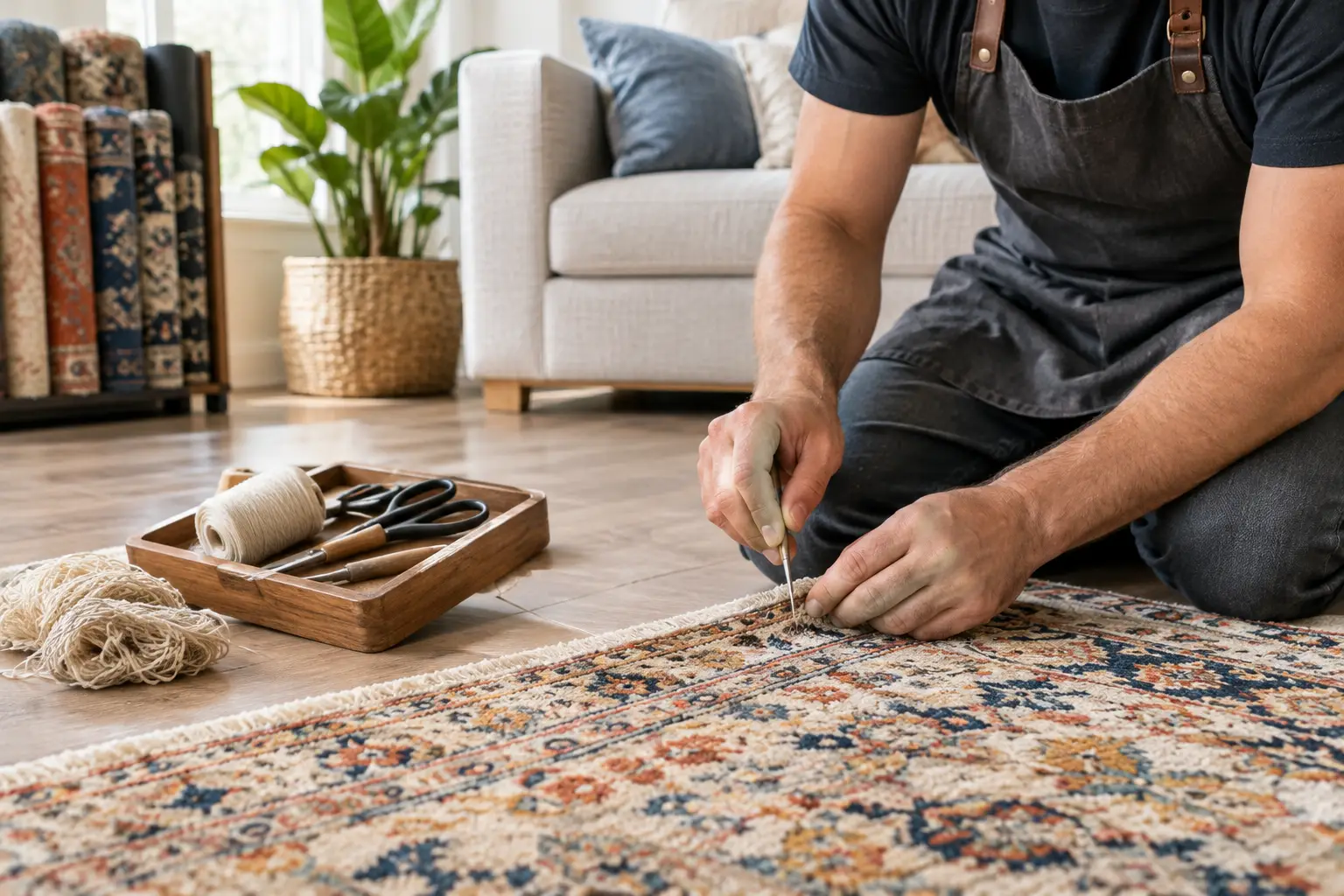
Use this Kennesaw rug repair guide to spot damage early, choose the right restoration, and protect the color, texture, and comfort of your favorite rug.
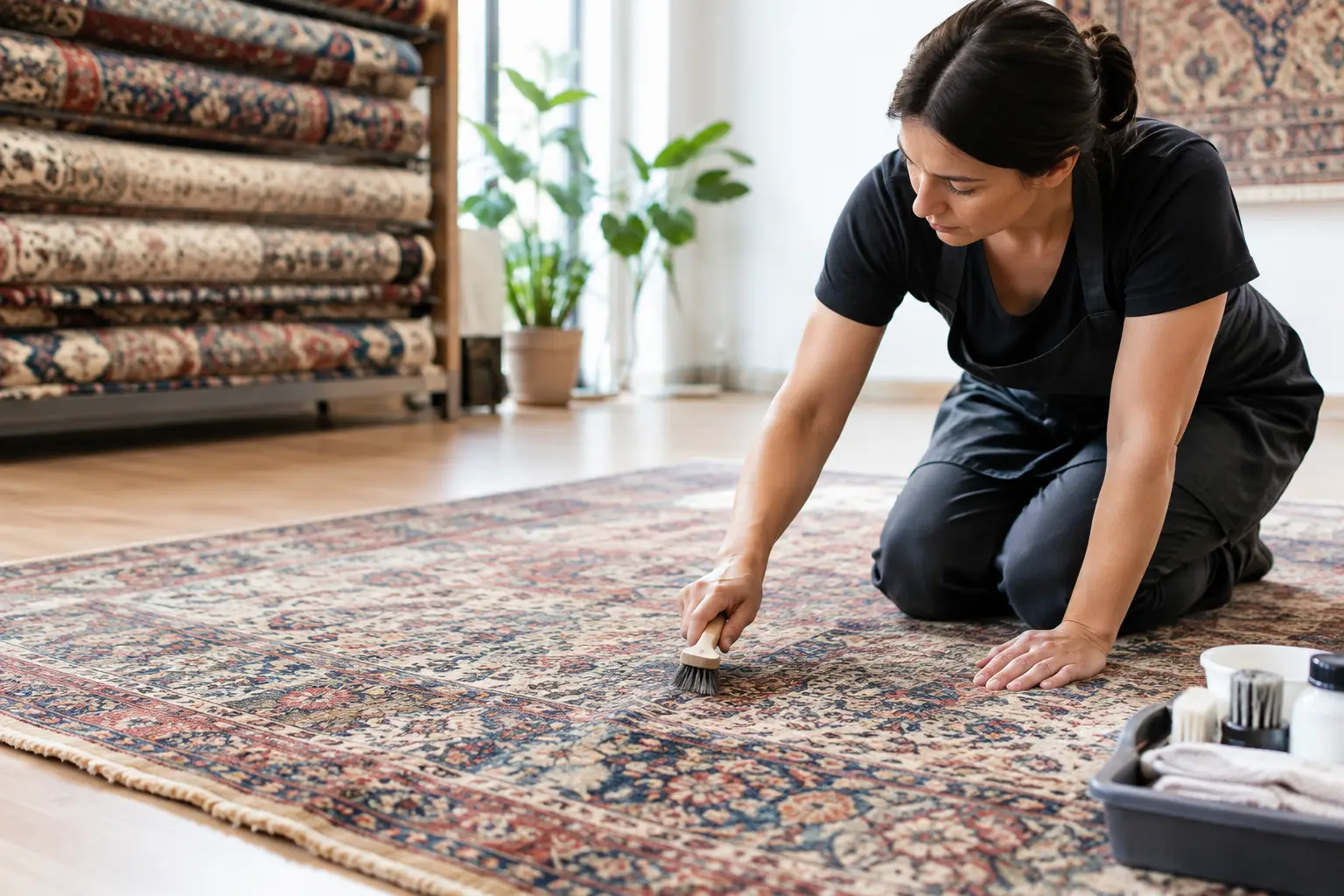
Marietta rug restoration can preserve color, texture, and history. Learn when repair makes sense and how thoughtful care protects a cherished rug at home.
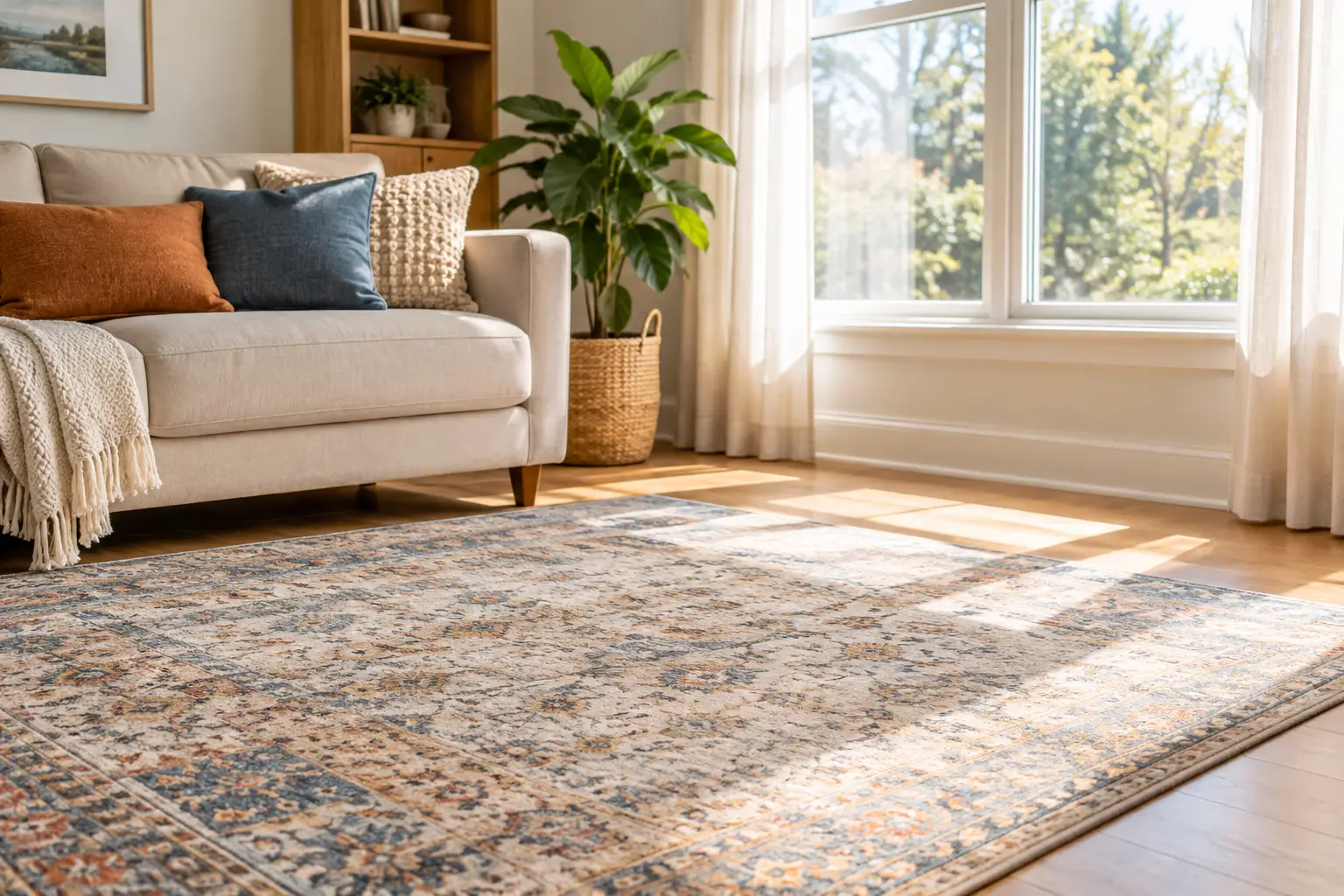
Learn how to protect rugs from sun fading with thoughtful window treatments, rotation, cleaning, and placement tips that preserve color and comfort daily.
From cozy area rugs to statement-making wall décor, our curated categories make it easy to explore what speaks to your space. Whether you’re refreshing a single corner or reimagining your whole home, start here and discover pieces that bring it all together.