


How to Remove Pet Odors From Rugs Safely
Learn how to remove pet odors from rugs without harming color or fibers, plus when professional washing is the smarter choice for a fresh home that lasts.
A room can have beautiful furniture, good lighting, and all the right colors, yet still feel slightly off. In most cases, the issue is not the sofa or the coffee table. It is the relationship between the furniture layout with area rugs. When those two elements work together, a room feels grounded, balanced, and effortlessly styled.
Area rugs do more than soften a floor. They define where a conversation area begins, help large rooms feel intentional, and create a sense of proportion that furniture alone cannot always achieve. The right layout makes a room feel finished. The wrong one can make even a thoughtfully furnished space feel disconnected.
People often shop for a rug after the room is already furnished, which is perfectly reasonable, but it can lead to a common mistake: choosing a rug as an accessory instead of treating it as part of the layout. A rug is not just a pattern underfoot. It is a design anchor.
When a rug is too small, furniture can appear to float around it rather than belong to it. When it is oversized without a clear plan, the room may lose definition. The goal is to create a visual footprint for the space so the seating, tables, and surrounding décor feel connected.
This is also where comfort meets function. A well-placed rug cushions key walking areas, softens acoustics, and protects flooring, but it should also support how the room is used. A formal sitting room, a busy family room, and a bedroom retreat each call for a different approach.
Before deciding where the rug goes, pause and look at how the room actually lives day to day. A living room used for conversation and entertaining may benefit from a layout that keeps all primary seating visually tied together. A family room where people stretch out to watch movies may need more rug coverage under larger furniture pieces.
This is where design gets personal. There is no single rule that works in every home. Open-concept spaces often need rugs to carve out zones, while smaller rooms may need a rug that visually expands the footprint rather than crowding it.
If the room includes multiple focal points, such as a fireplace and television, the rug helps calm that tension. It gives the eye one steady foundation, even when the room serves more than one purpose.
The living room is where rug placement has the biggest visual impact. In most cases, the strongest option is to place at least the front legs of the main seating pieces on the rug. This creates unity without requiring every piece to sit fully on it.
In larger rooms, all furniture legs can rest on the rug if the scale supports it. This tends to feel polished and generous, especially in spaces with substantial seating. In a smaller living room, a rug that reaches under the front legs of the sofa and chairs often gives enough connection while keeping the room from feeling crowded.
The one arrangement that usually causes problems is the too-small rug floating in the middle, touching nothing but the coffee table. It chops up the room instead of grounding it. If you want the room to feel collected and calm, the rug should interact with the furniture in a meaningful way.
Leave a consistent border of visible flooring around the rug when possible. That frame helps the room breathe. It also keeps the rug from looking wall-to-wall unless that is the intended effect.
Once the seating is anchored, the smaller pieces should make sense on top of that foundation. Coffee tables generally belong centered on the rug within the seating group. Side tables can sit fully on the rug or partly off, depending on the layout, but they should still feel connected to the zone the rug defines.
Spacing matters as much as size. If furniture is pushed too far apart simply to fit a rug, the room can lose intimacy. It is usually better to choose a rug that supports comfortable furniture placement rather than forcing the layout to adapt to the wrong scale.
Dining room rugs are less about visual layering and more about everyday function. The rug should extend far enough beyond the table that chairs remain on the rug when pulled out. If not, the edges catch chair legs, which is frustrating and hard on the rug over time.
That extra perimeter also keeps the room looking balanced. A dining table centered on a rug that is too tight can make the entire arrangement feel undersized, even if the table itself fits the room well.
Shape matters here too. A rectangular table usually feels best on a rectangular rug, and a round table often pairs beautifully with a round rug. That said, proportions should lead the decision. If the room is long and narrow, a rectangular rug may still be the better fit even with a round table.
For busy dining spaces, low-pile rugs often perform better than plush textures. They allow chairs to move more easily and tend to be more practical in rooms where spills are part of real life.
In bedrooms, area rugs bring warmth in a very immediate way. They soften the first steps of the morning and make the room feel more layered and restful. The most common placement is under the bed, extending beyond both sides and the foot so the rug is visible and functional where it counts.
A rug that disappears almost entirely under the bed tends to lose its purpose. One that extends properly gives the bed a stronger presence and helps the entire room feel more intentional.
There are variations, of course. In a smaller bedroom, runners on each side of the bed may make more sense than one large rug. In a room with a bench at the foot of the bed or a separate seating area, the rug can help tie those elements together. The best choice depends on the room’s footprint and how much visible floor you want to keep.
Large open rooms often look easiest to furnish from a distance, but they usually require the most discipline. Without walls to define each zone, rugs take on that role. One rug can anchor the living area while another defines a dining space, helping each part of the room feel purposeful.
The trick is coordination without excessive matching. Rugs in adjoining zones should speak the same design language through color, tone, or texture, but they do not need to be identical. In fact, a little contrast can make the whole room feel more curated.
Scale is especially important here. A rug that is too small in an open-concept room makes furniture look adrift. A rug that is appropriately sized creates a room within the room, which brings order without adding visual heaviness.
Most rug and furniture issues come down to scale, proportion, or placement. The first is choosing a rug based only on pattern or color and not on the room’s measurements. Even a beautiful rug will look wrong if it does not relate properly to the furniture.
Another common misstep is centering the rug in the room rather than centering it on the furniture grouping. Those are not always the same thing. In many homes, especially with fireplaces, windows, or traffic paths, the furniture zone should lead.
There is also the question of symmetry. Symmetrical layouts can feel calm and classic, but they are not mandatory. If your room is asymmetrical because of architecture or use, the rug can still create balance by anchoring the main pieces with intention.
Once size and placement are clear, the rug’s style should reinforce the room rather than compete with it. If your furniture is tailored and neutral, a patterned rug can bring depth and personality. If upholstery, pillows, and art already carry strong visual energy, a quieter rug may create the balance the room needs.
Texture plays a major role in how the layout feels. A flatwoven rug can read crisp and relaxed. A plush pile adds comfort and softness, especially in bedrooms and living areas. Natural fibers introduce an easy, grounded character, though some spaces benefit from a softer finish or a layered look.
This is where seeing rugs in person makes a difference. Color shifts with light, texture changes the mood of a room, and scale is easier to judge when you can compare options thoughtfully. For homeowners in Canton, Woodstock, Acworth, and Kennesaw, a showroom experience often helps turn a vague idea into a room that feels deeply personal and complete.
A well-planned rug does not call attention to itself for the wrong reasons. It lets the room settle into place. When the furniture layout and the area rug are working together, the space feels calmer, more beautiful, and more like home.
Learn how to remove pet odors from rugs without harming color or fibers, plus when professional washing is the smarter choice for a fresh home that lasts.
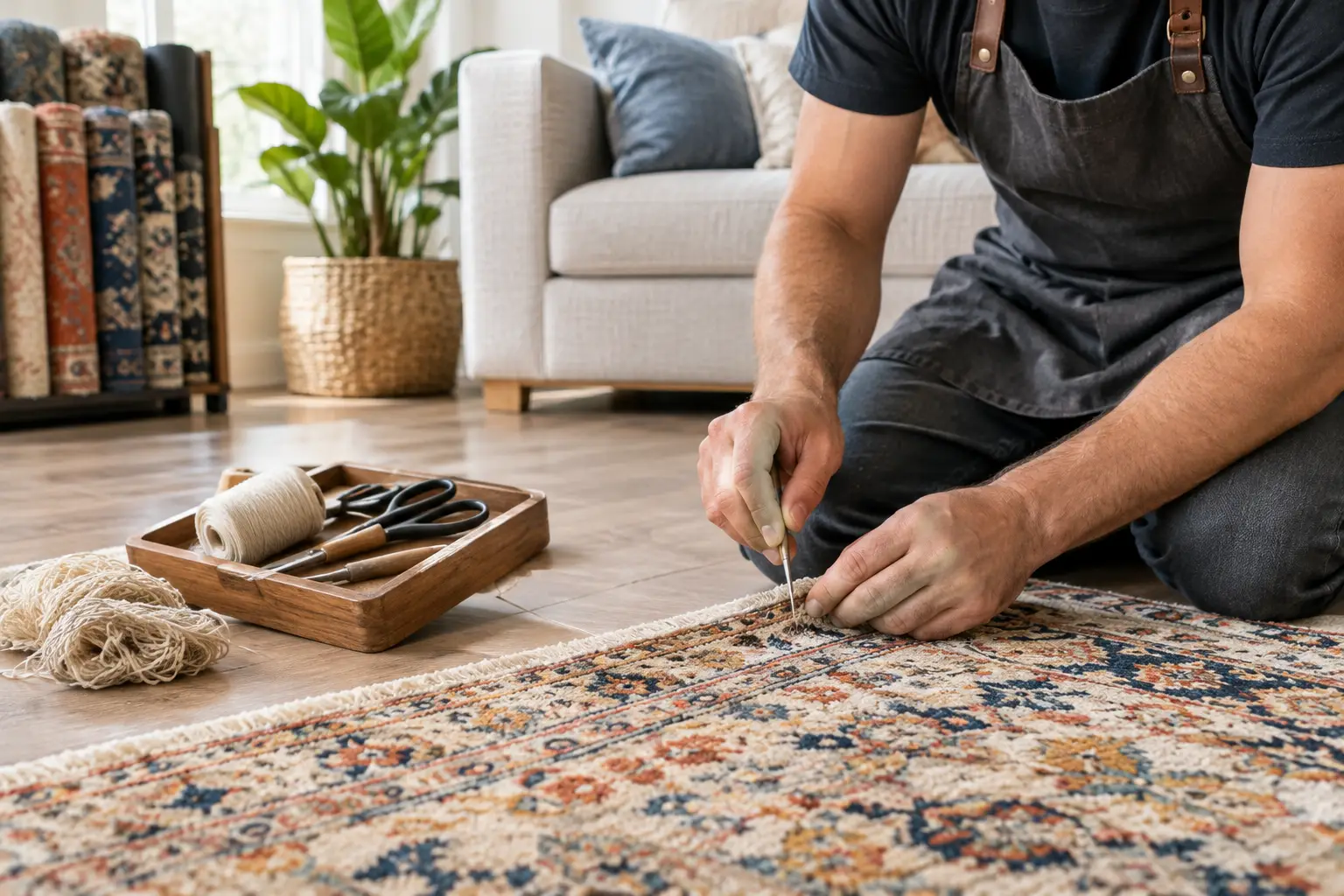
Use this Kennesaw rug repair guide to spot damage early, choose the right restoration, and protect the color, texture, and comfort of your favorite rug.
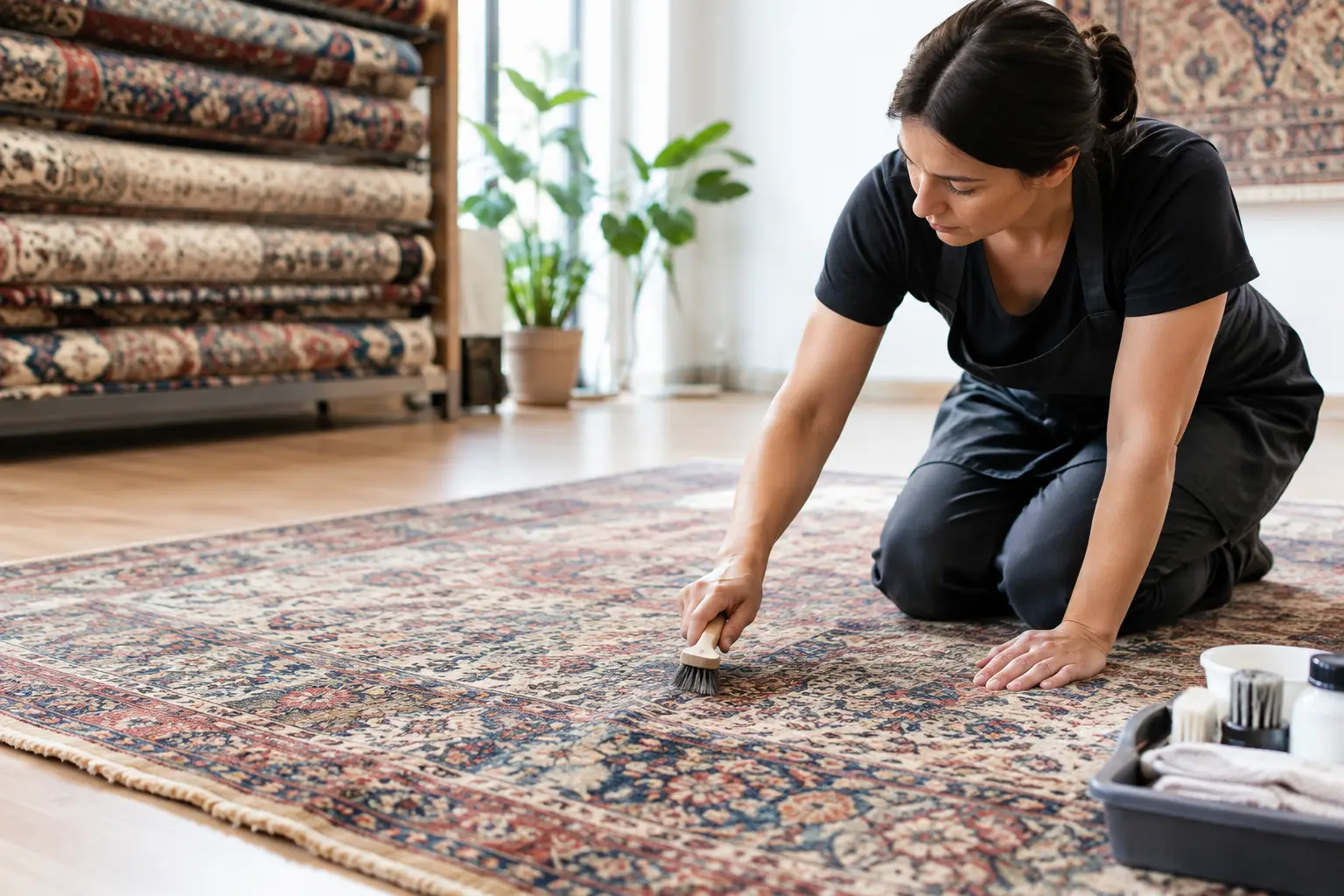
Marietta rug restoration can preserve color, texture, and history. Learn when repair makes sense and how thoughtful care protects a cherished rug at home.
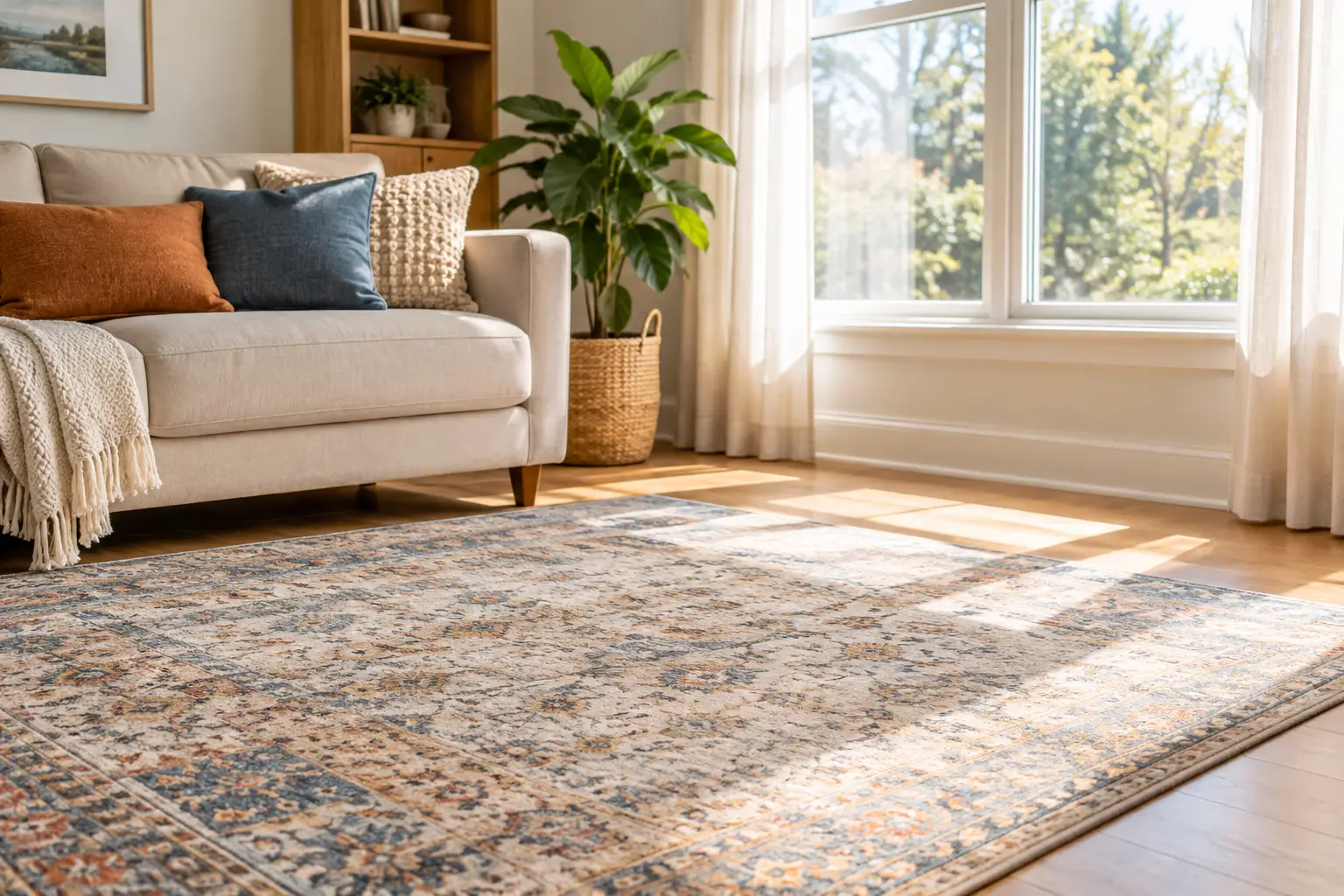
Learn how to protect rugs from sun fading with thoughtful window treatments, rotation, cleaning, and placement tips that preserve color and comfort daily.
From cozy area rugs to statement-making wall décor, our curated categories make it easy to explore what speaks to your space. Whether you’re refreshing a single corner or reimagining your whole home, start here and discover pieces that bring it all together.