


How to Remove Pet Odors From Rugs Safely
Learn how to remove pet odors from rugs without harming color or fibers, plus when professional washing is the smarter choice for a fresh home that lasts.
A long hallway can make a beautiful home feel unfinished. A narrow kitchen aisle may need softness underfoot without sacrificing everyday practicality. That is where a guide to custom runner rugs becomes especially useful: a made-to-fit runner brings proportion, color, and comfort to the spaces standard rug sizes often overlook.
Unlike a ready-made runner, a custom option lets you choose dimensions that honor the architecture of your home. It can follow the length of a hall, leave the right amount of flooring visible at the edges, and connect nearby rooms with a look that feels intentional rather than improvised.
Runner rugs do more than fill a narrow strip of floor. They create a visual path through the home, soften footsteps, protect hard surfaces in high-traffic areas, and introduce a layer of personality where furniture may be minimal. In an entry hall, a runner can make the arrival feel more welcoming. In a kitchen, it can add warmth to cabinetry and tile. Along a stairway, it can lend a tailored, quietly luxurious finish.
Custom sizing is the biggest advantage. Many homes have hallways, landings, galley kitchens, and passageways that do not suit common runner lengths. Choosing a rug cut or created for the actual space helps prevent the awkward too-short look, where a runner seems to float in the middle of the room, or the too-wide look, where it crowds baseboards and door swings.
Customization also gives you more control over material, border treatment, pile height, and color. That level of choice matters when a runner needs to coordinate with existing flooring, adjacent area rugs, painted walls, or a carefully collected mix of décor.
The most successful runner begins with accurate measurements. Measure the full length and width of the usable floor area, then note any doors, vents, cabinets, thresholds, and turns. A simple sketch is helpful, especially for a long hall with uneven sections or an L-shaped layout.
In most hallways, leaving a visible border of flooring on both sides creates a balanced, framed effect. The ideal border depends on the width of the passage and the scale of the home, but the goal is consistency. A runner that is centered with even margins generally feels more polished than one that nearly touches one wall and leaves a larger gap on the other.
Door clearance deserves close attention. Measure from the floor to the bottom of each door, including closet and bathroom doors that open into the hallway. A plush, high-pile rug may be wonderful in a bedroom but can be impractical where doors need to move freely. A lower-profile construction is often the more elegant choice in tight-clearance areas.
For stair runners, measure each tread, riser, and landing rather than relying only on the overall staircase length. The construction of the staircase and the preferred installation style affect the amount of material needed. This is one area where professional guidance can help turn a beautiful concept into a properly proportioned result.
Hall runners are often selected for visual rhythm. Because the eye travels the entire length of the rug, pattern placement and scale matter. A small, allover pattern can disguise everyday traffic and give a long corridor movement without making it feel busy. A larger motif can be striking in a wider hall, provided it has enough room to read clearly.
Consider what the hallway connects. If it leads from an entry to living spaces, a runner can quietly introduce colors that reappear in the adjacent room. This creates cohesion without requiring every rug in the home to match exactly. Coordinating is more refined than matching.
A kitchen runner has to work harder than a purely decorative hallway rug. Look for materials and constructions that suit frequent foot traffic and the occasional spill. Low-pile wool, durable flatweaves, and thoughtfully selected performance-oriented fibers can all be practical choices, depending on the household.
Color is useful here. A pale solid runner can look fresh and airy, but it may show marks more readily in a busy family kitchen. A softly variegated design, a grounded neutral, or a pattern with several related tones often offers a more forgiving finish while still feeling elevated.
The entry sets the tone for the rest of the home, but it is also where shoes, pets, and daily routines arrive. A runner with visual texture, a detailed pattern, or deeper tones can help this hardworking area remain inviting between cleanings. Choose a construction that feels substantial enough for the traffic without becoming difficult for the front door to clear.
A stair runner brings softness and character to an area that is usually defined by hard surfaces and straight lines. It can highlight beautiful wood treads or bring warmth to a more transitional interior. The best choice is not always the plushest one. Stair runners need a durable construction, a suitable profile, and a pattern that looks good as it repeats step after step.
Directional patterns deserve a second look before finalizing. Stripes can visually lengthen a staircase, while a centered medallion or geometric repeat may create more formal structure. The right answer depends on whether the surrounding home feels tailored and classic, relaxed and organic, or clean-lined and contemporary.
A runner should feel beautiful on day one and still make sense after months of real use. Wool remains a favorite for its natural warmth, resilience, and rich texture. It suits many hallways, living areas, and stairs, particularly when homeowners want a refined finish with lasting appeal.
Flatwoven styles offer a lower profile and a more casual, textural look. They can work especially well in kitchens, narrower halls, and spaces where door clearance is limited. Their appearance ranges from understated neutrals to bold, graphic patterns, so practicality does not have to mean plain.
Synthetic and performance-focused fibers can be a sensible choice for homes with active children, pets, frequent entertaining, or a busy entry. The trade-off is that each fiber has its own hand feel and visual character. Seeing samples in person helps you compare softness, density, color variation, and edge finishes before making a decision.
A custom runner does not need to be the loudest element in a room to make an impression. Often, the most enduring choices pull a few colors from nearby artwork, upholstery, cabinetry, or wall finishes and arrange them in a more subtle way. A warm ivory and muted blue runner, for example, may connect a painted entry to a nearby living room without competing with either space.
For homes with beautiful wood flooring, consider the undertones before selecting a neutral. Cool grays can sometimes make honey-toned floors look more yellow, while warm taupes, soft greens, mushroom tones, and faded terracottas can create a more harmonious relationship. In rooms with dark flooring, a lighter runner can add contrast and definition, though a medium-tone pattern is often easier to maintain.
Pattern is also a matter of scale. A narrow runner gives large motifs less room to breathe. Fine botanicals, small geometrics, gentle stripes, and tonal patterns tend to work well in tighter spaces. If you love a dramatic design, it may be better suited to a wider landing or a long, open hallway where its details can be appreciated.
The edge of a custom runner is a small detail with a major effect. A matching binding keeps the overall look quiet and cohesive, allowing the pattern or texture to take center stage. A contrasting border can create definition, echo an accent color, or give a simple runner a more tailored appearance.
Consider the style of the room when choosing a finish. A subtle tonal edge often suits organic, relaxed interiors. A crisp contrast may feel right in a traditional home, a black-and-white scheme, or a space with more architectural detail. The finish should support the rug rather than call attention to itself for the wrong reason.
A proper rug pad is equally important. It helps a runner stay in place, adds a little cushioning, and reduces wear from movement. The correct pad depends on the flooring beneath it and the runner’s construction, so this is worth discussing as part of the overall selection process.
Online images can suggest a color, but they cannot show how a rug’s fibers catch the light, how a border is finished, or how a pattern feels beside your existing flooring. Bringing measurements, paint swatches, cabinet samples, or a photo of the room makes the selection process much more confident.
At Home Rug Gallery, homeowners can compare textures and colors in person while considering the whole room, not just the strip of floor beneath it. A thoughtfully chosen custom runner should feel like it always belonged there – carrying your home from one space to the next with comfort, character, and an effortlessly styled sense of purpose.
Learn how to remove pet odors from rugs without harming color or fibers, plus when professional washing is the smarter choice for a fresh home that lasts.
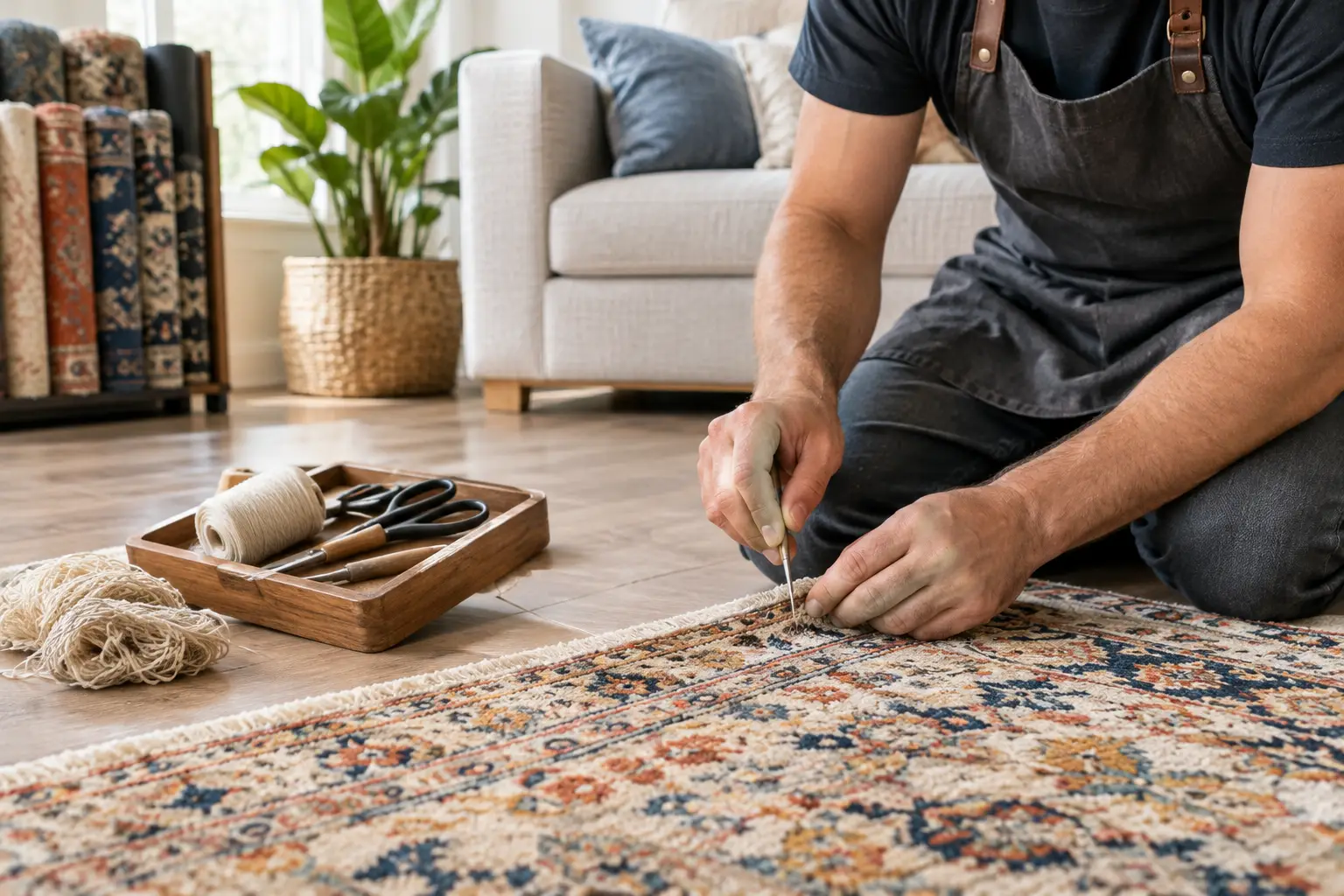
Use this Kennesaw rug repair guide to spot damage early, choose the right restoration, and protect the color, texture, and comfort of your favorite rug.
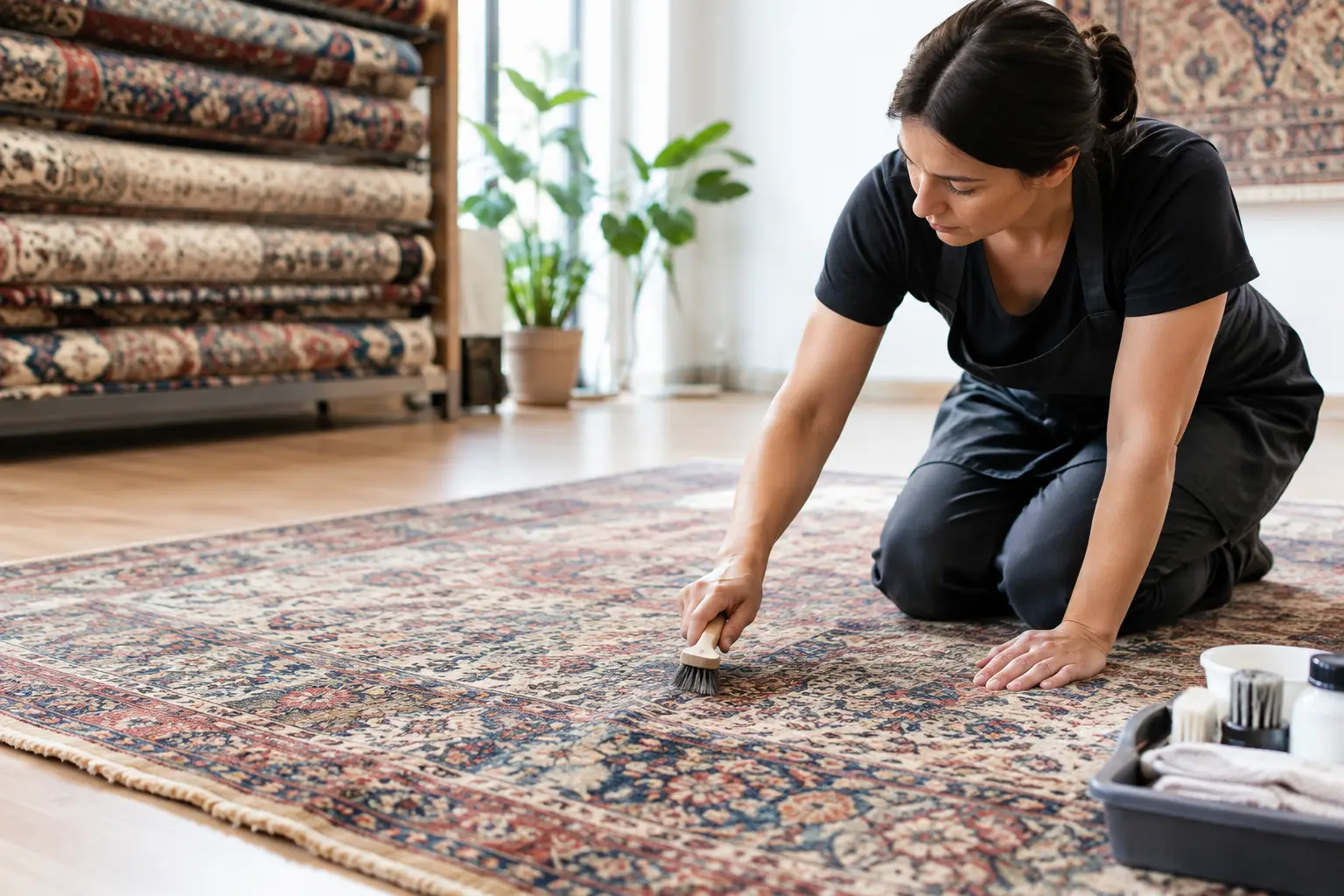
Marietta rug restoration can preserve color, texture, and history. Learn when repair makes sense and how thoughtful care protects a cherished rug at home.
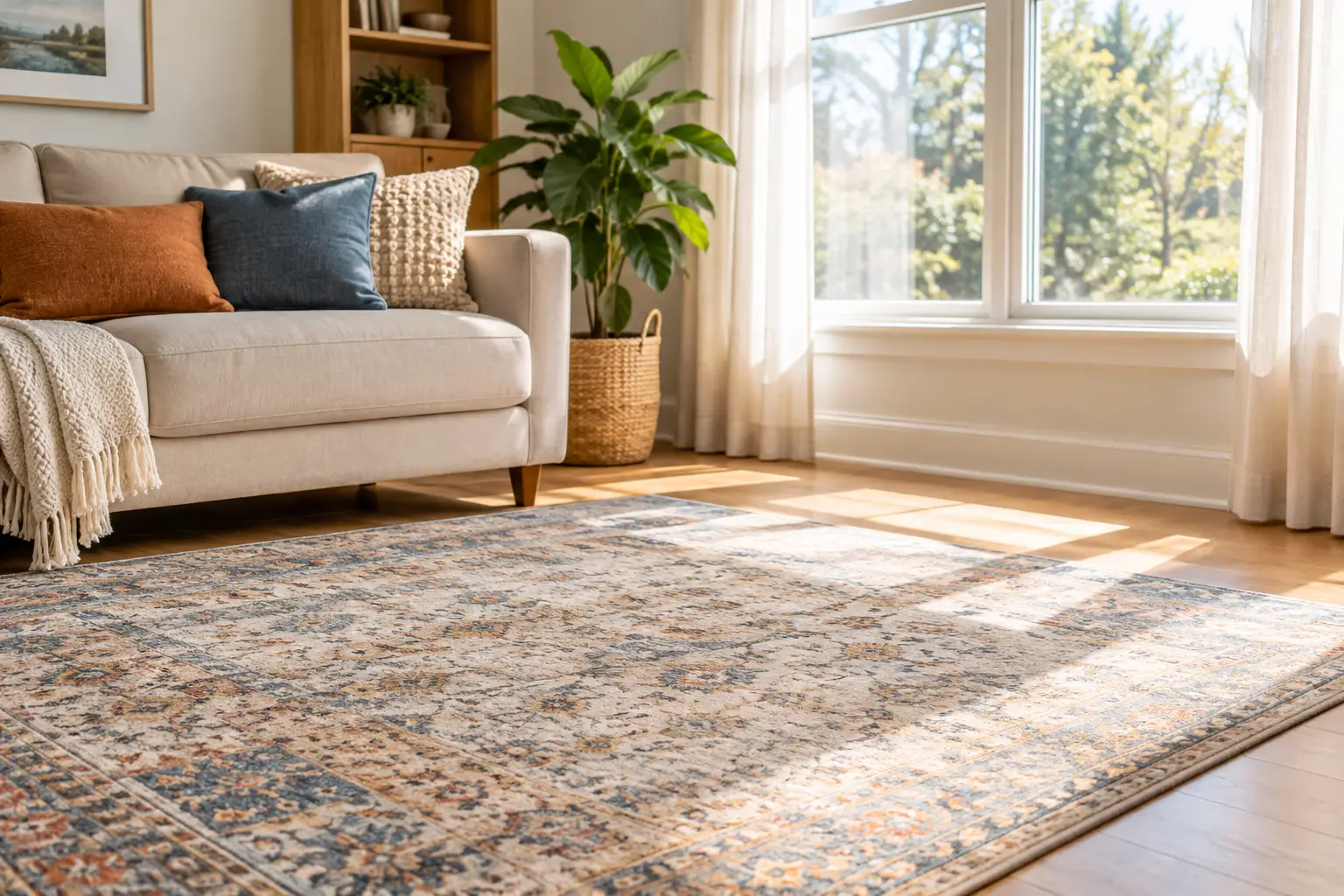
Learn how to protect rugs from sun fading with thoughtful window treatments, rotation, cleaning, and placement tips that preserve color and comfort daily.
From cozy area rugs to statement-making wall décor, our curated categories make it easy to explore what speaks to your space. Whether you’re refreshing a single corner or reimagining your whole home, start here and discover pieces that bring it all together.