


How to Remove Pet Odors From Rugs Safely
Learn how to remove pet odors from rugs without harming color or fibers, plus when professional washing is the smarter choice for a fresh home that lasts.
A room usually tells you what it needs. Sometimes it is obvious – the sofa feels stranded, the lighting is flat, or the color palette stopped making sense somewhere along the way. More often, the issue is subtler. The space works, but it does not feel finished. That is where thoughtful room refresh decor ideas make the biggest difference.
A true refresh is not about replacing everything. It is about editing, layering, and introducing the right pieces so the room feels more cohesive, more comfortable, and more like home. When you approach it that way, even a few changes can shift the entire mood.
In most spaces, the rug does more than cover the floor. It sets the tone, defines the seating area, and quietly tells every other piece where it belongs. If a room feels disconnected, the rug is often the first place to look.
Scale matters as much as style. A rug that is too small can make the room feel unfinished, even if everything on top of it is beautiful. A larger rug tends to create that effortlessly styled look people are usually after, because it gives furniture a shared visual foundation. In a living room, that may mean letting the front legs of the seating rest on the rug. In a bedroom, it may mean extending softness beyond the bed so the room feels balanced from every angle.
Texture matters too. A low-profile patterned rug can bring structure to a busy family space, while a plush or hand-finished option creates a quieter, more layered effect in a formal sitting room or primary bedroom. If you want one of the most reliable room refresh decor ideas, start underfoot and build upward.
A room can feel tired simply because the color story has gone flat. That does not always require new walls or new furniture. Often, the better move is to adjust the supporting pieces.
Pillows, throws, and smaller accents are where a room gets its depth. If your current palette feels one-note, introduce contrast through tone rather than loud color. Think warm ivory with camel, soft blue with olive, charcoal with muted bronze. These combinations feel collected rather than overly matched.
There is a trade-off here. If every accent is neutral, the room may read elegant but a little forgettable. If every accent competes for attention, the room can feel restless. The sweet spot is usually a restrained base with a few intentional moments of pattern, sheen, or saturated color. That is how a room starts to feel deeply personal instead of staged.
Few updates are as immediate as better lighting. It is also one of the most overlooked. A room with only overhead lighting tends to feel flat, no matter how nice the furniture is. Layered lighting creates dimension and softness.
A table lamp on a console, a pair of lamps in a living room, or a sculptural floor lamp beside a reading chair can make the space feel more intimate and better considered. The fixture itself also works as décor. A ceramic base adds organic texture. A metal finish can sharpen a traditional room or warm up a more tailored one, depending on the tone.
The key is variety. Overhead lighting handles function, but lamps create atmosphere. If your room looks good during the day and disappointing at night, lighting is probably the missing layer.
Many rooms suffer from being too hard-edged. Wood tables, straight-lined upholstery, bare walls, and minimal textiles can look clean, but they do not always feel inviting. Softness is what makes a room livable.
This is where throw blankets, pillows, poufs, and upholstered accents earn their place. They are not filler pieces when chosen well. They soften the architecture of a room and make it feel approachable. A knit throw draped over a chair, a pouf tucked near a coffee table, or a few substantial pillows in mixed fabrics can add comfort without creating clutter.
It depends on the room, of course. In a high-traffic family area, you want durable materials and forgiving textures. In a guest room or formal space, you may lean into finer details and more decorative finishes. The best refreshes respect how the room is actually used.
A polished room rarely comes from a single statement piece. More often, it comes from layers that relate to one another. This is one of the most effective room refresh decor ideas because it works in almost every style, from classic to modern organic.
Layering can happen through materials, scale, and shape. A wood coffee table feels richer with a tray, a stack of books, and a small decorative object. A sofa feels more complete with pillows in varied sizes and textures rather than one matching set. A console feels styled when height, color, and silhouette are balanced instead of perfectly symmetrical.
The goal is not to add more for the sake of adding more. The goal is visual rhythm. When each piece contributes something different – softness, shine, texture, structure – the room feels intentional.
If everything in the room plays a supporting role, the space can feel polite but forgettable. A refresh often benefits from one stronger note. That could be a patterned rug, a dramatic lamp, a richly colored accent chair, or oversized pillows in a fabric with presence.
The trick is knowing where to place that emphasis. In a quieter room, a bold rug can do the work beautifully because it anchors the space without creating surface clutter. In a neutral bedroom, a bench or statement lighting may be enough. If the room already has architectural interest, the feature piece should complement rather than compete.
This is where seeing pieces in person can be especially valuable. Scale, texture, and undertone are easier to judge when you can compare them side by side. A refresh feels much more refined when the hero piece actually belongs in the room rather than just standing out in it.
Not every refresh comes from buying something new. Sometimes the room needs less. A crowded corner, too many small accessories, or textiles that no longer fit the palette can make a space feel unsettled.
Editing creates breathing room. Remove anything that feels random, duplicate, or disconnected from the rest of the room. Then look at what remains. You may find that one better lamp can replace two mediocre ones, or that a single substantial rug can do more than several smaller decorative touches.
This step is easy to rush, but it matters. Rooms feel elevated when the eye has space to rest.
A room refresh is also about presentation. Even beautiful pieces lose their impact when they are worn, faded, or visibly neglected. Rugs especially carry a lot of visual weight, so their condition affects the whole room.
If a favorite rug looks dull or has minor damage, professional care can change how the entire space reads. The same room can feel dramatically fresher once foundational textiles are cleaned, restored, and properly placed. For homeowners who want to preserve pieces they already love, that is often the smartest update of all.
At Home Rug Gallery, that full-room perspective matters. The right refresh is not only about what you bring in. It is also about recognizing what is worth keeping, restoring, and styling more thoughtfully.
One of the quickest ways to make a room feel dated is to over-coordinate it. Matching every finish, fabric, and accent can flatten the personality right out of the space. A more current, quietly luxurious room has variation.
That does not mean anything goes. Pieces still need to relate through color temperature, scale, or overall mood. A traditional rug can work with cleaner-lined furniture if the tones connect. A modern lamp can sit comfortably in a classic room if the shape adds contrast without breaking the palette. Cohesion matters more than sameness.
If you are refreshing one room at a time, think about the broader home as well. Rooms do not need to look identical, but they should feel like they belong to the same household. Repeating a texture, finish, or color family from room to room creates that subtle continuity.
The rooms people respond to most are rarely the ones filled with the most things. They are the ones that feel balanced, comfortable, and considered. A better rug, softer lighting, layered textiles, and a few well-chosen accents can shift a room from almost there to beautifully resolved.
If your space has been asking for attention, listen closely. Usually, it is not asking for a complete makeover. It is asking for a few smart choices that make everyday living feel a little more polished, a little more comfortable, and much more like you.
Learn how to remove pet odors from rugs without harming color or fibers, plus when professional washing is the smarter choice for a fresh home that lasts.
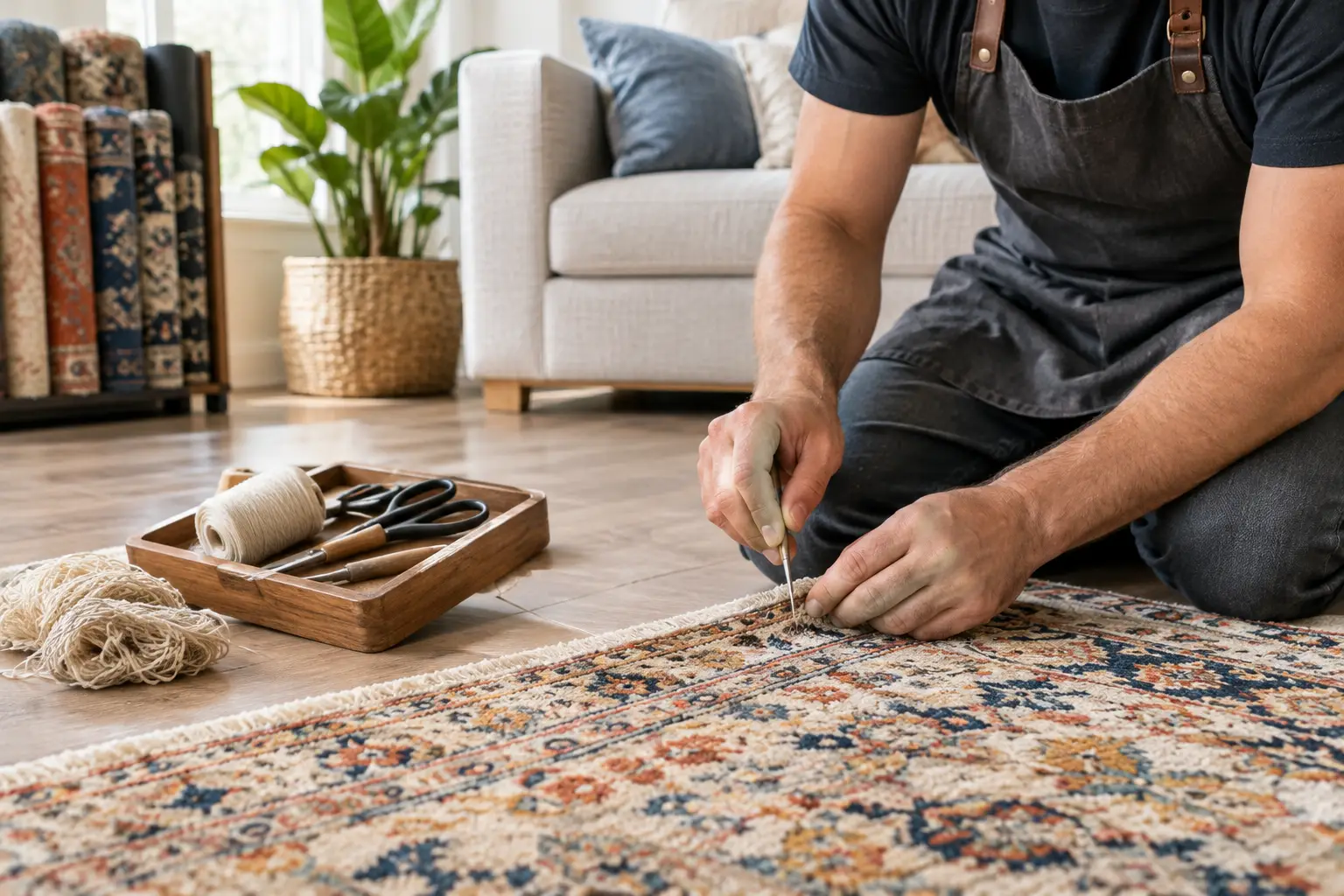
Use this Kennesaw rug repair guide to spot damage early, choose the right restoration, and protect the color, texture, and comfort of your favorite rug.

Marietta rug restoration can preserve color, texture, and history. Learn when repair makes sense and how thoughtful care protects a cherished rug at home.
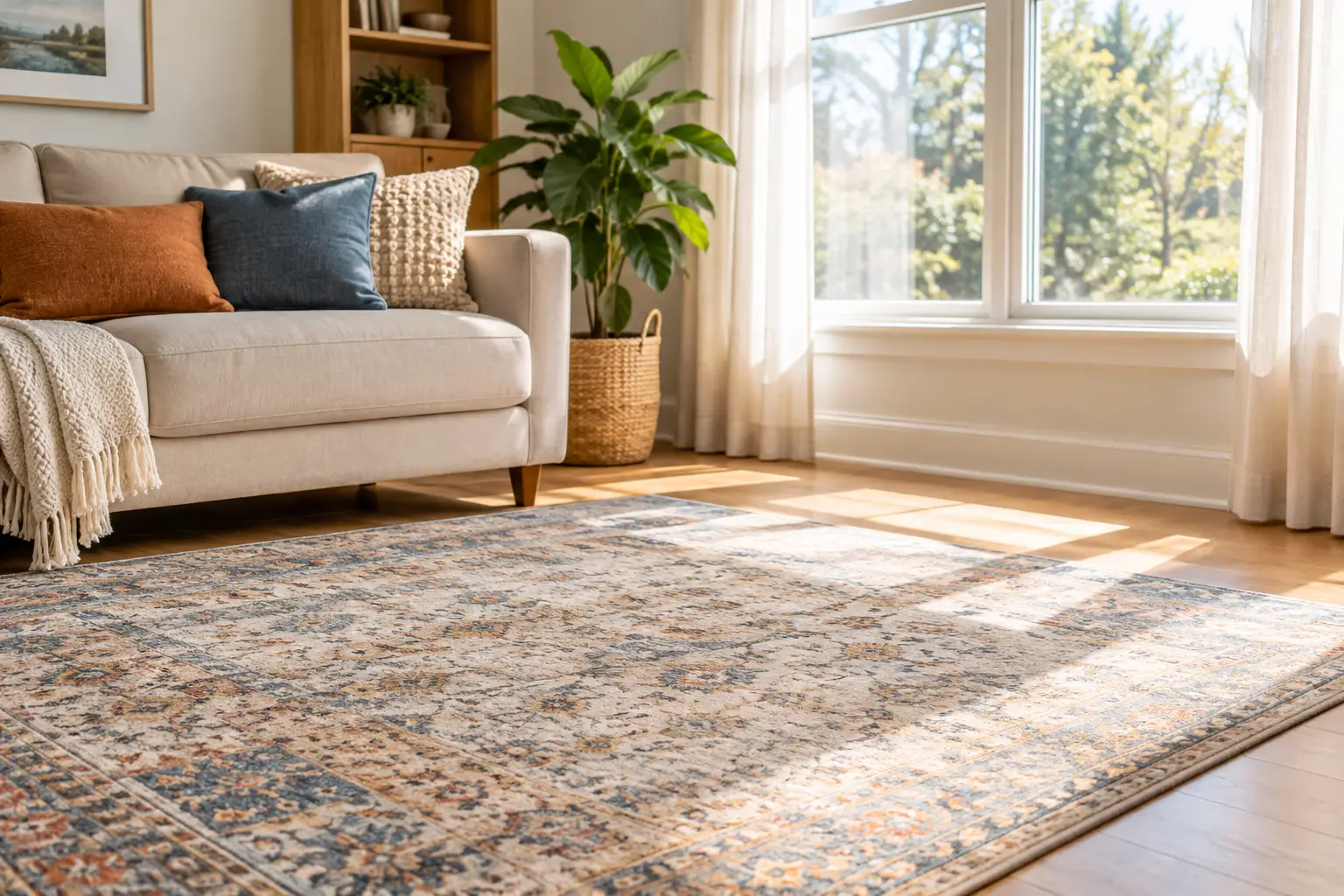
Learn how to protect rugs from sun fading with thoughtful window treatments, rotation, cleaning, and placement tips that preserve color and comfort daily.
From cozy area rugs to statement-making wall décor, our curated categories make it easy to explore what speaks to your space. Whether you’re refreshing a single corner or reimagining your whole home, start here and discover pieces that bring it all together.