


How to Remove Pet Odors From Rugs Safely
Learn how to remove pet odors from rugs without harming color or fibers, plus when professional washing is the smarter choice for a fresh home that lasts.
A beautiful room can still feel unfinished if the rug is off by just a little. Too small, and the furniture seems to float. Too busy, and the space loses its calm. If you are searching for a rug store in Woodstock GA, the real goal is not simply finding a rug. It is finding the piece that gives the room structure, softness, and a sense of intention.
That is why in-person rug shopping still matters. A rug changes with light, texture, scale, and the materials around it. What looks perfect on a screen can feel flat, overly bright, or surprisingly heavy once it is in your home. Seeing rugs in person gives you a much clearer sense of color depth, weave, weight, and how a design might live in your everyday spaces.
The best shopping experience feels less like browsing random inventory and more like stepping into a curated design resource. A strong local rug showroom should help you compare styles, understand materials, and make confident decisions about proportion. You should be able to walk in with a general idea of your room and leave with much more clarity about what actually works.
Selection matters, but so does guidance. Many homeowners know the feeling they want – warmer, lighter, more polished, more collected – without knowing which rug will create it. A well-merchandised showroom bridges that gap. It helps translate design preferences into choices you can see and feel.
A thoughtful rug store also understands that rugs do not exist in isolation. They interact with sofas, wood tones, paint colors, lighting, and accessories. When a showroom is design-oriented, it becomes easier to choose something that feels cohesive rather than simply decorative.
Color is one of the biggest reasons to shop locally. Cream can lean warm or cool. Blue can feel airy in one weave and moody in another. Neutrals, especially, are full of subtle shifts that are difficult to judge online. In person, those differences become obvious.
Texture is another factor that rarely translates well on a screen. Some rugs bring a relaxed softness. Others have a tighter, cleaner structure that suits more tailored interiors. Neither is automatically better. It depends on the room, the traffic level, and the mood you want the space to hold.
Then there is scale. A pattern that looks refined in a small photo can read much larger in real life. Likewise, a rug that seems understated online may carry more visual movement than expected. Being able to stand in front of a rug and take in its full pattern repeat often prevents expensive design missteps.
Most rug mistakes are not about taste. They are about fit. A gorgeous rug in the wrong size can make a room feel disconnected, even when every individual item is beautiful.
In living rooms, the rug should usually anchor the seating area rather than sit like a small island in the center. In dining rooms, it should extend far enough beyond the table to allow chairs to move comfortably. In bedrooms, the rug should soften the perimeter of the bed and add comfort where you actually step down. These details sound simple, but they make a tremendous difference in how finished a room feels.
Style should support the architecture and daily use of the home. A formal pattern may bring needed structure to an open-concept room. A softer, tonal design may calm a busier space with multiple finishes and family activity. Homes with pets, children, or heavy foot traffic often need a different balance of beauty and practicality than a quieter guest room or sitting area.
This is where local expertise becomes especially valuable. The right guidance helps you avoid choosing purely from trend or first impression. Instead, you choose for longevity, function, and the way your home actually lives.
A rug’s material affects not only how it looks, but how it wears, cleans, and ages. Natural fibers often bring dimension and softness that feel elevated and timeless. Performance-driven constructions can be ideal for high-use spaces where durability is a top priority. Handcrafted pieces may offer nuance and character that machine-made rugs cannot quite replicate.
There is always a trade-off. A plush, luxurious feel may require more maintenance in active areas. A flatter, sturdier weave may be easier for everyday life but less soft underfoot. The right choice depends on whether the room needs comfort, resilience, visual texture, or some combination of all three.
A polished showroom experience should make these differences easier to understand. Rather than guessing from product labels, shoppers can compare constructions side by side and get a realistic sense of what suits their households.
The most useful rug shopping does not stop at the rug rack. Many homeowners are not just replacing one item. They are trying to refresh an entire room that feels slightly off. The rug may be the starting point, but the larger question is often how to make everything feel connected.
That is why a showroom with coordinated home décor can be so helpful. Pillows, lighting, poufs, throws, and accent pieces can reinforce the direction the rug sets. This creates a room that feels layered and deeply personal, not pieced together from unrelated decisions.
If your goal is a home that feels effortlessly styled, seeing these elements together matters. It becomes easier to imagine how a subtle pattern, warm neutral, or rich texture can move through the room without overwhelming it. Quiet luxury often comes from restraint and cohesion, not from adding more.
A well-chosen rug is not a short-term purchase. It becomes part of daily life, and over time it may need cleaning, repair, or restoration. That is one of the clearest signs of a true rug specialist versus a store that simply carries rugs as one category among many.
When a showroom also offers rug care support, customers gain more confidence in what they buy. They can ask practical questions about maintenance before bringing the rug home. They also know there is a trusted local resource if the rug needs attention later, whether from wear, spills, fraying, or age.
This matters even more for custom rugs or investment pieces. Ongoing care protects both appearance and longevity. It also makes the shopping decision feel more complete, because the relationship does not end at checkout.
Sometimes the right rug is not already waiting on the showroom floor. Odd room dimensions, unusual furniture layouts, or very specific color stories may call for a custom solution. This can be especially helpful in larger great rooms, layered seating areas, or spaces where standard sizes leave awkward gaps.
Custom is not always necessary, and for many rooms a ready-made rug is exactly the right answer. But when the room needs precision, custom sizing or tailored options can make the result feel intentional instead of compromised. The difference is often subtle to the eye, yet significant in the overall balance of the space.
For homeowners refining a room they have lived with for years, this can be the step that finally makes everything click.
Before visiting a showroom, bring room measurements, a few photos, and a sense of what is staying in the space. Note the dominant wood tones, upholstery colors, wall color, and whether the room needs more softness, contrast, or structure. You do not need a perfect design plan. You just need enough context for meaningful guidance.
It also helps to stay open. Many shoppers arrive convinced they want one color or style, then discover another option that suits their home more naturally. The best rug is often the one that makes the whole room look better, not the one that stands out by itself.
For homeowners near Woodstock who want a more design-minded shopping experience, Home Rug Gallery offers the kind of curated showroom guidance that helps turn uncertainty into a room that feels finished.
A rug should do more than cover the floor. It should ground the room, support your lifestyle, and make home feel a little more considered every time you walk in.
Learn how to remove pet odors from rugs without harming color or fibers, plus when professional washing is the smarter choice for a fresh home that lasts.
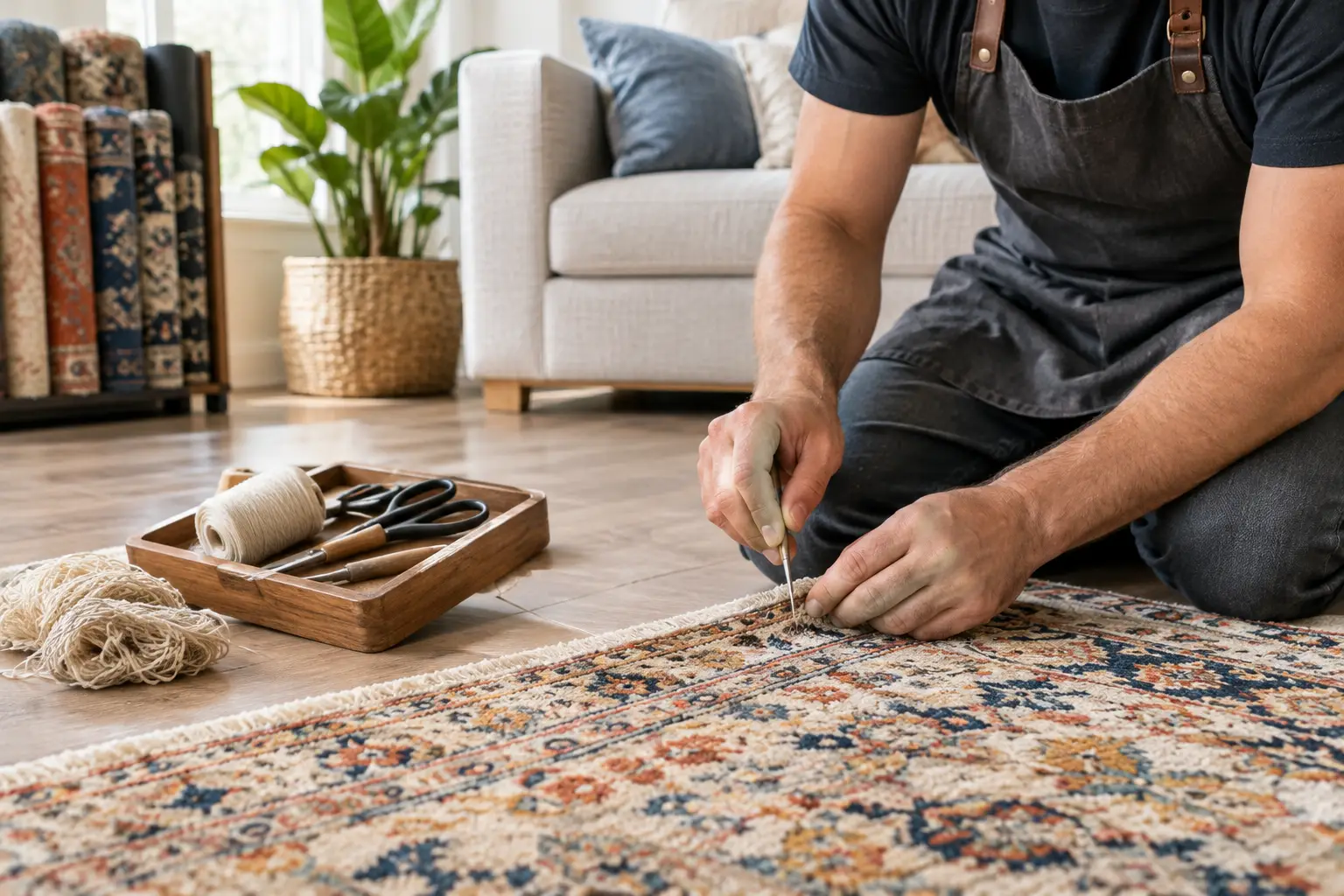
Use this Kennesaw rug repair guide to spot damage early, choose the right restoration, and protect the color, texture, and comfort of your favorite rug.

Marietta rug restoration can preserve color, texture, and history. Learn when repair makes sense and how thoughtful care protects a cherished rug at home.
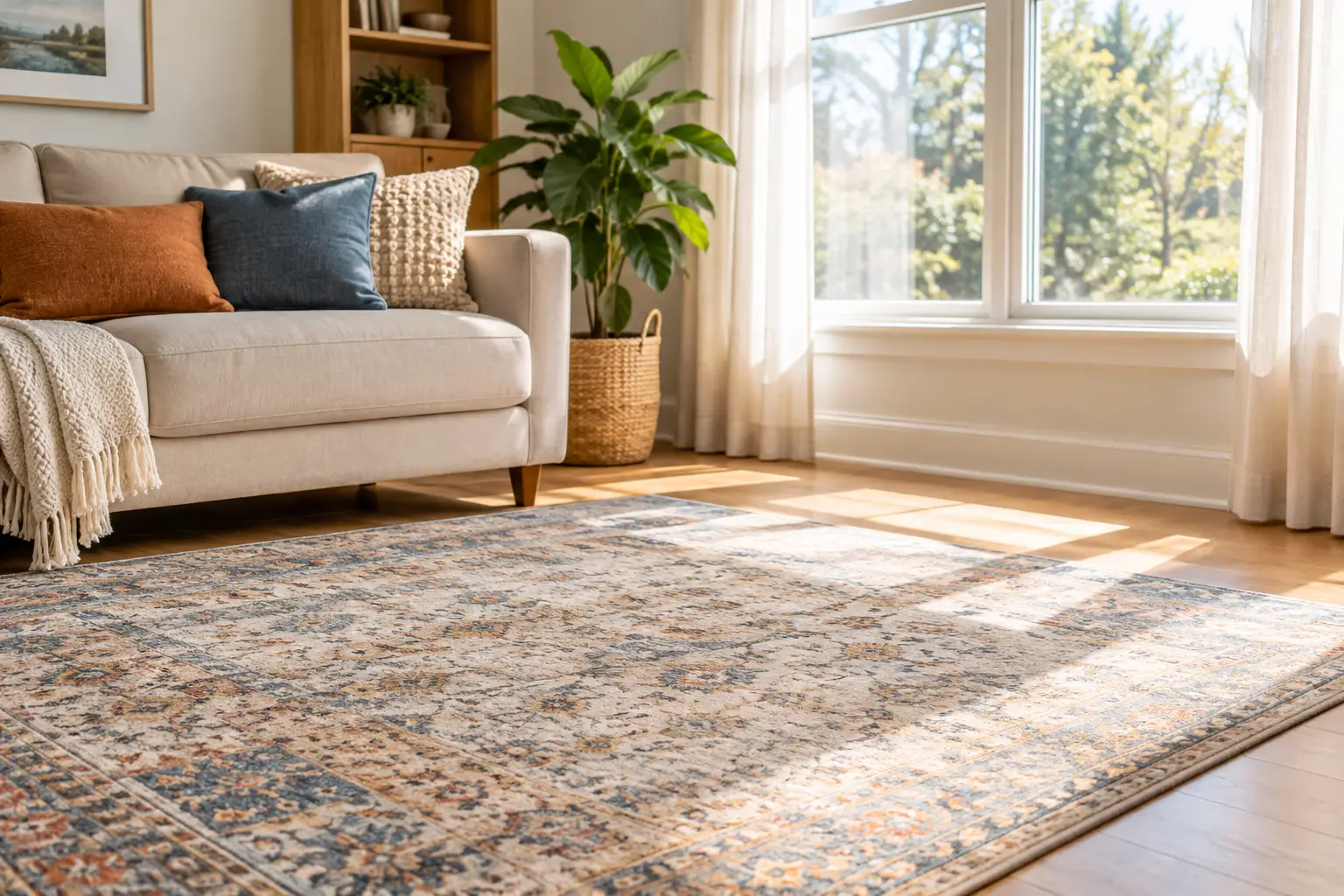
Learn how to protect rugs from sun fading with thoughtful window treatments, rotation, cleaning, and placement tips that preserve color and comfort daily.
From cozy area rugs to statement-making wall décor, our curated categories make it easy to explore what speaks to your space. Whether you’re refreshing a single corner or reimagining your whole home, start here and discover pieces that bring it all together.