

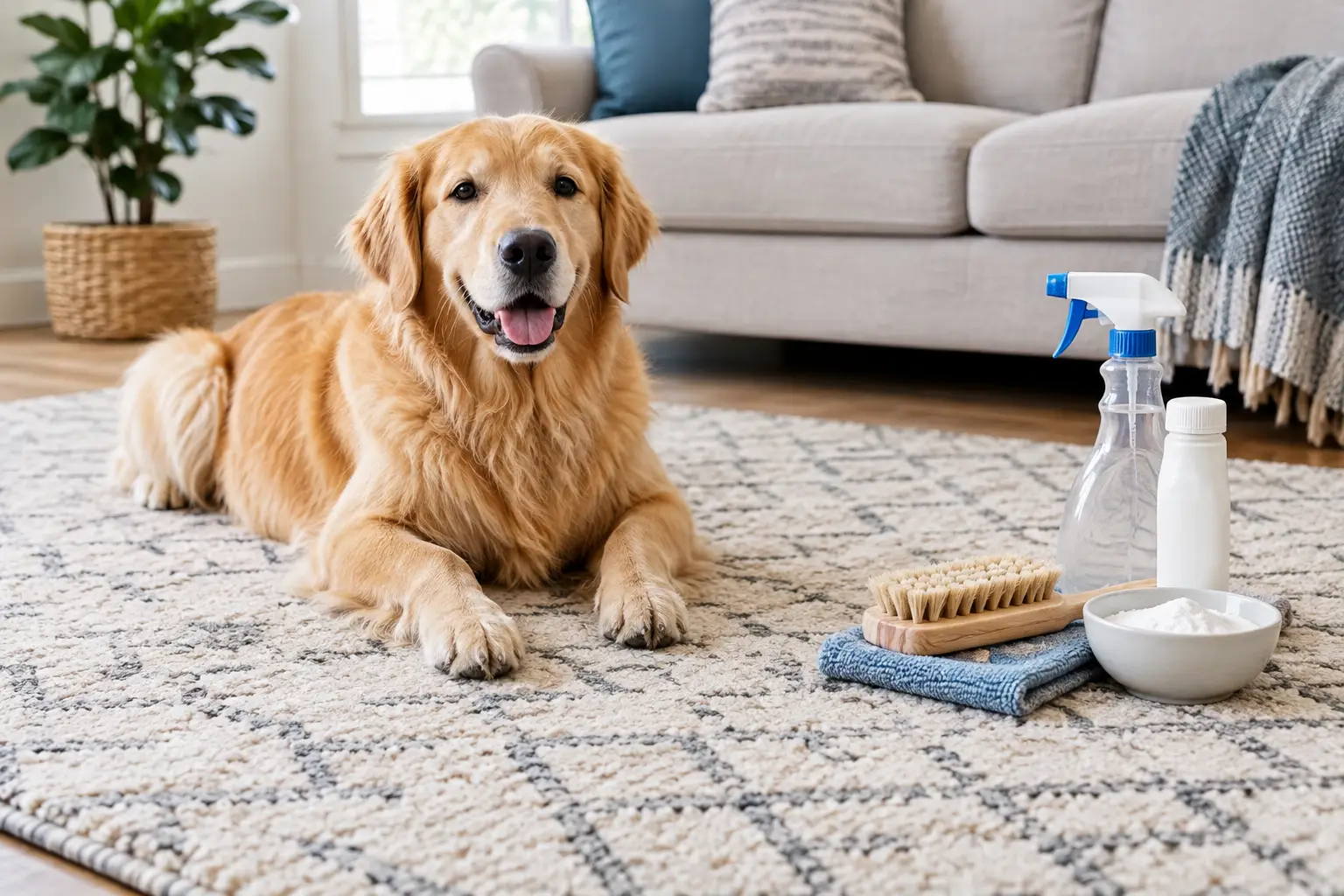
How to Remove Pet Odors From Rugs Safely
Learn how to remove pet odors from rugs without harming color or fibers, plus when professional washing is the smarter choice for a fresh home that lasts.
A family room tells the truth about how a home is really lived in. It is where people stretch out after work, kids sprawl across the floor, pets claim their favorite corner, and guests gather without ceremony. If you are asking what rug works best for a family room, the answer is not just about color or pattern. It is about finding a piece that feels beautiful in the room and believable in everyday life.
The best family room rug usually balances three things at once – comfort, durability, and design cohesion. A rug can soften the room visually, anchor the furniture, and make the entire space feel more finished. But it also has to stand up to traffic, crumbs, movie nights, and the general wear that comes with a well-loved space.
There is no single correct rug for every family room because the room itself can play many roles. In some homes, it is a polished gathering space used mainly for conversation and entertaining. In others, it is the default homework zone, pet lounge, and weekend nap spot. Most family rooms fall somewhere in between.
That is why the first decision should be functional, not purely decorative. Think about what happens on the floor. If children regularly play there, a softer feel and easier-clean material matter more. If pets spend time in the room, low pile and forgiving pattern become more useful than a delicate texture. If the room opens directly to the backyard or kitchen, the rug will likely need to hide more daily wear.
A family room rug should support real life without making the room feel utilitarian. That balance is where thoughtful selection makes all the difference.
One of the most common mistakes in family rooms is choosing a rug that is too small. A rug may be attractive on its own, but if it floats in the center of the room without connecting the furniture, the space can feel disconnected.
In most family rooms, the rug should be large enough for at least the front legs of the sofa and chairs to rest on it. In more spacious layouts, placing all major furniture pieces on the rug often creates the most polished result. This makes the room feel grounded and intentional rather than pieced together.
If your family room is compact, you still want the rug to relate clearly to the seating area. A small rug under only the coffee table rarely gives the room enough visual structure. It can also make the floor plan feel smaller rather than larger.
When homeowners visit a showroom, this is often the turning point. Seeing rug sizes in person helps clarify proportion in a way online dimensions often do not. A rug should feel scaled to the room, not just squeezed into it.
When people think about rugs, they usually start with appearance. In a family room, material deserves equal attention.
Wool is often one of the best choices because it has natural resilience, softness underfoot, and a refined look that works across many styles. It tends to age well and brings a sense of quiet luxury to the room without feeling overly formal. For families who want comfort and a more elevated finish, wool is a strong option.
Synthetic fibers can also make excellent sense in a family room, especially when durability and ease of care are top priorities. They are often practical for high-traffic spaces and can perform well in homes with children or pets. The trade-off is that some synthetic rugs do not have the same natural texture or richness as wool, so the best choice depends on whether performance or tactile quality leads your decision.
Natural fiber rugs, such as jute or sisal, offer beautiful texture and a relaxed, layered look. They can work well in some family rooms, especially those with a more casual coastal, transitional, or organic style. But they are not always the easiest choice for households that need softness and stain forgiveness. They can feel rougher underfoot and may show wear differently over time.
Pile height changes both the look and the day-to-day experience of a rug. Plush, shaggy rugs can feel inviting, but they are not always the most practical choice for a busy family room. They tend to trap more dust and debris, and they can be harder to keep looking crisp.
A low-pile or medium low-pile rug is often the sweet spot. It gives enough softness to make the room comfortable while staying easier to vacuum, maintain, and move furniture on. It also tends to wear more evenly in areas where people walk the most.
This is one of those places where lifestyle should guide the choice. If your family room is more of a formal lounge, a higher pile may work beautifully. If it is used every day, a lower pile will usually age more gracefully.
A family room rug has a big visual job. It can either calm the room or energize it, depending on the palette and pattern you choose. The best option is not always the one that stands out the most. Often, it is the one that helps everything else in the room feel more cohesive.
If your furniture is already patterned, a quieter rug can bring balance. If your upholstery is solid and streamlined, a rug with subtle movement or layered pattern can add dimension. In family rooms, tone-on-tone designs, soft geometrics, vintage-inspired motifs, and heathered neutrals are often especially versatile because they add interest without overwhelming the room.
For homes with children, pets, or frequent guests, mid-tone rugs and patterned rugs tend to be more forgiving than very light solids or very dark solids. Cream can be stunning, but it will show more. Deep charcoal can feel sophisticated, but it may reveal lint and dust quickly. A nuanced blend of warm grays, taupes, soft blues, muted earth tones, or layered ivory can offer a more lived-in elegance.
The goal is not to hide life completely. It is to choose a rug that still looks composed while life happens around it.
Even within the same color family, texture can dramatically affect how a family room feels. A flatwoven rug feels tailored and casual. A hand-knotted wool rug can bring depth and quiet sophistication. A softly cut pile can make the room feel warmer and more inviting.
This is especially important if your family room has many hard surfaces such as wood floors, leather seating, stone fireplaces, or large windows. The rug becomes one of the main elements that softens the architecture. In that sense, the best rug is not just the most durable one. It is the one that helps the room feel complete.
A rug should support how the room is arranged, not fight it. If your seating area is open and conversational, the rug should connect those pieces into one visual zone. If the room is long or open-concept, the rug can help define the family room within a larger space.
Round rugs can work in some family rooms, especially when the furniture layout is curved or the room needs a softer shape. But in many cases, a rectangular rug is still the easiest and most effective option because it mirrors the footprint of the seating arrangement.
If you use ottomans, poufs, or movable accent chairs, think about how they interact with the rug edge. A rug that is too small can make these pieces feel adrift. A properly sized rug creates flow and makes rearranging the room feel effortless rather than awkward.
Family room rugs are highly tactile. The softness, weight, color variation, and texture all matter, and these details are hard to judge from a screen alone. What looks warm online may read cooler in person. What seems plush in a photo may feel flatter underfoot than expected.
This is why many homeowners prefer to compare rugs in a showroom setting, where they can see how different constructions and palettes actually behave in real light. For families furnishing homes in Canton and nearby communities, that in-person experience often makes it easier to choose a rug that feels as good as it looks.
A well-chosen family room rug does more than fill floor space. It becomes part of the way the room welcomes people in, softens the pace of the day, and makes the home feel more deeply personal. When you find the right one, the room does not just look finished. It feels easier to live in.
Learn how to remove pet odors from rugs without harming color or fibers, plus when professional washing is the smarter choice for a fresh home that lasts.
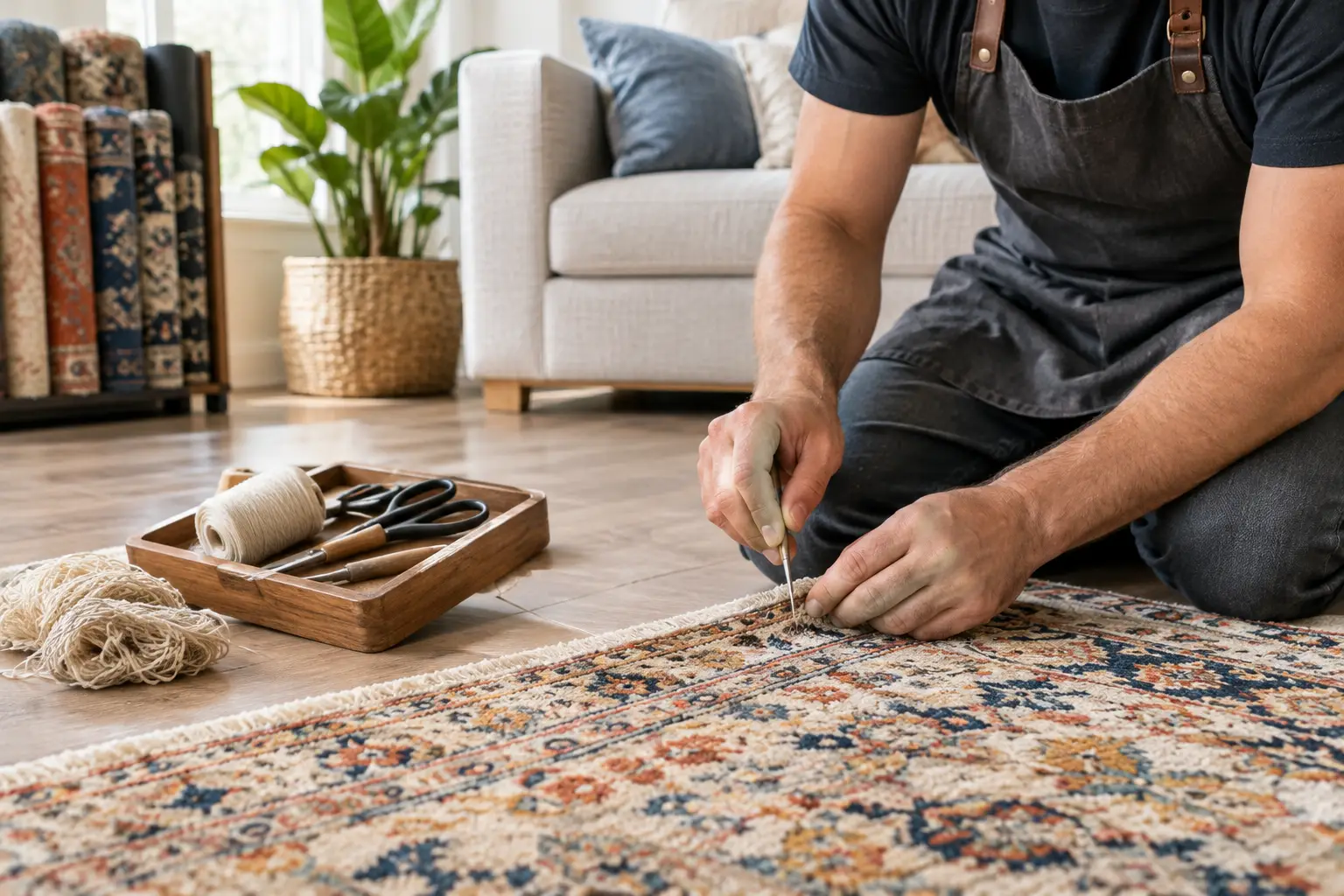
Use this Kennesaw rug repair guide to spot damage early, choose the right restoration, and protect the color, texture, and comfort of your favorite rug.
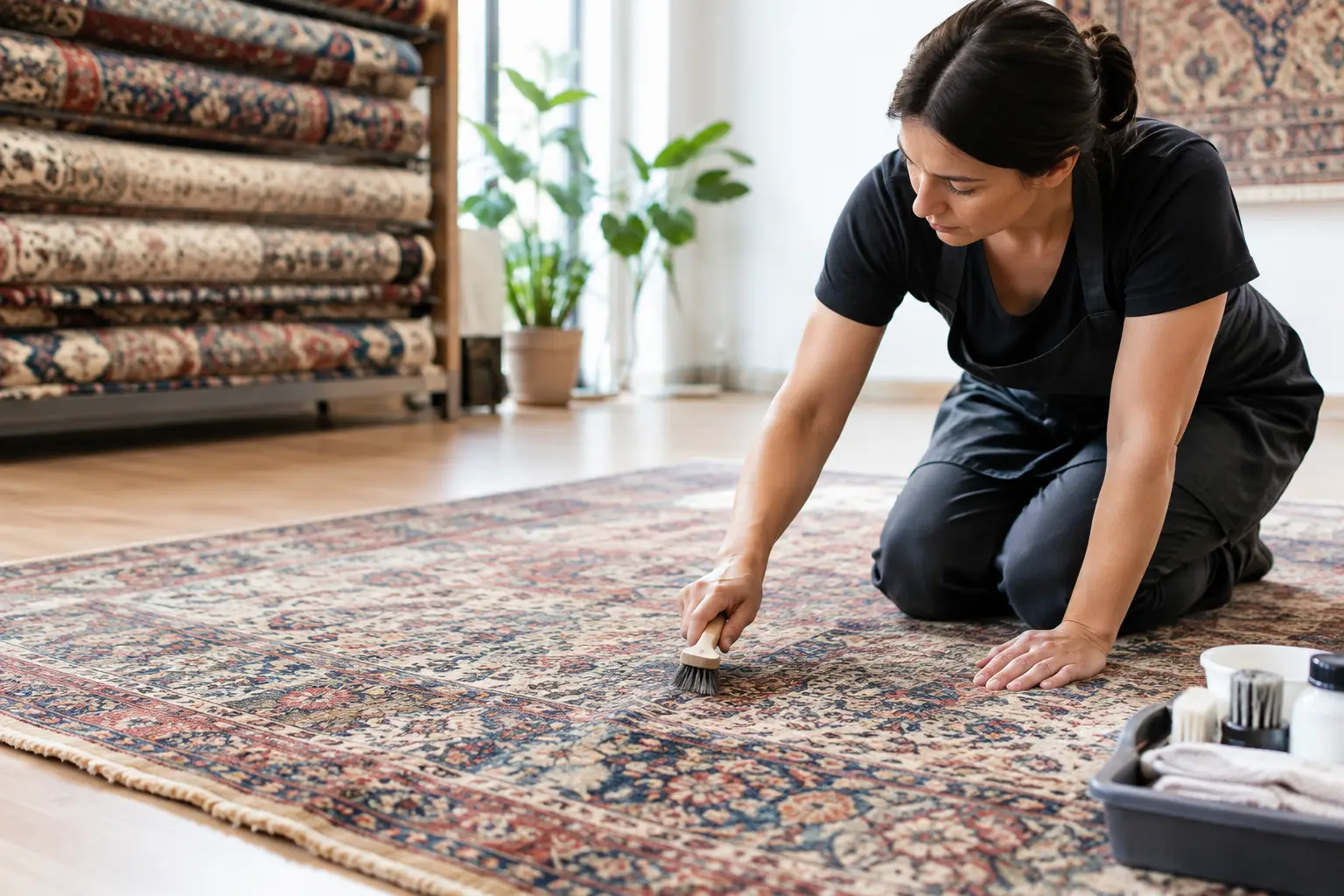
Marietta rug restoration can preserve color, texture, and history. Learn when repair makes sense and how thoughtful care protects a cherished rug at home.
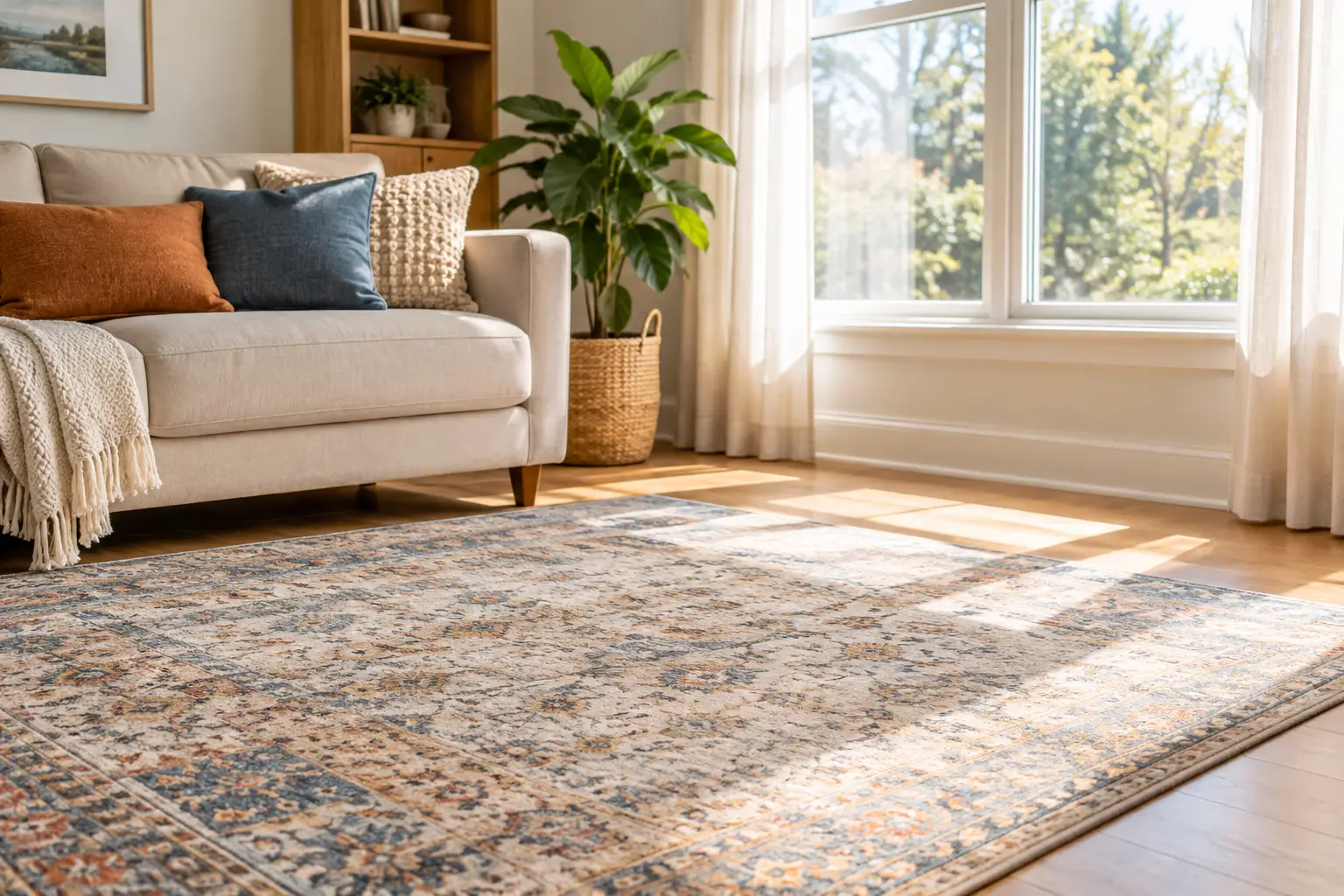
Learn how to protect rugs from sun fading with thoughtful window treatments, rotation, cleaning, and placement tips that preserve color and comfort daily.
From cozy area rugs to statement-making wall décor, our curated categories make it easy to explore what speaks to your space. Whether you’re refreshing a single corner or reimagining your whole home, start here and discover pieces that bring it all together.