

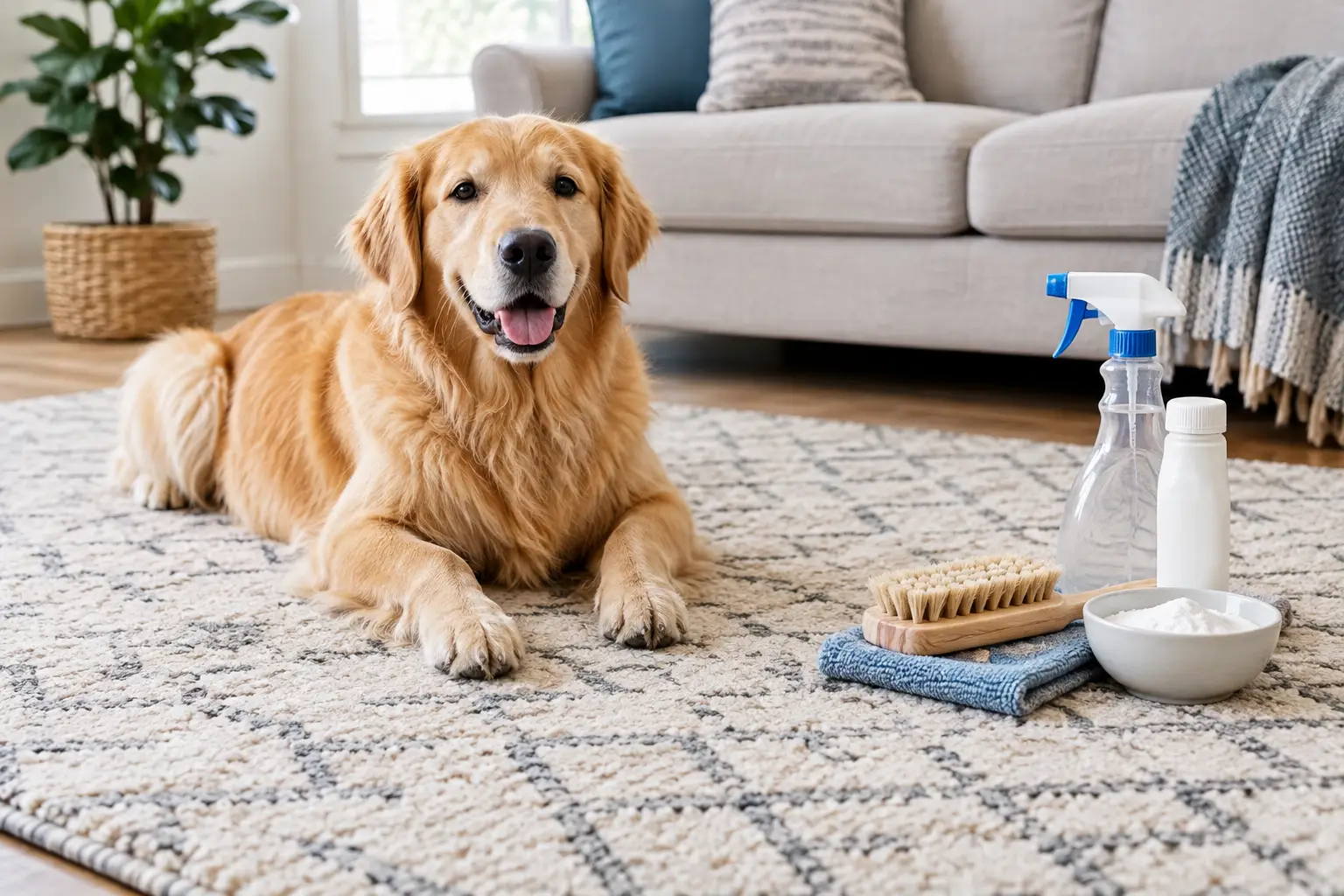
How to Remove Pet Odors From Rugs Safely
Learn how to remove pet odors from rugs without harming color or fibers, plus when professional washing is the smarter choice for a fresh home that lasts.
A soaked antique rug changes fast. Colors can bleed, fibers can weaken, and the foundation that has held the piece together for decades can start to shift within hours. That is why restoring antique rugs after water damage is less about quick cleanup and more about protecting craftsmanship, history, and the role that rug plays in a beautifully lived-in home.
Antique rugs are not interchangeable décor pieces. They often carry handwoven detail, natural dyes, and age-earned patina that give a room its depth. When water enters the picture, whether from a pipe leak, storm intrusion, appliance failure, or a damp storage environment, the right response depends on the rug’s materials, construction, and how long it stayed wet. A hurried DIY approach can sometimes do more harm than the original incident.
Water damage is not always obvious at first glance. A rug may look salvageable on the surface while deeper problems are developing underneath. The pile can hold moisture, but so can the foundation, fringe, and binding areas. In hand-knotted and handwoven antique rugs, those structural elements matter just as much as the visible pattern.
Natural fibers such as wool, cotton, and silk react differently to moisture. Wool is resilient, but it can trap odors and attract mildew if it dries too slowly. Cotton foundations are especially vulnerable because they can shrink, brown, or lose stability. Silk is the most delicate of all and may lose sheen or become distorted if handled aggressively. If the dyes are vegetable or other natural dye types, excess moisture may trigger bleeding or migration that permanently softens crisp pattern lines.
There is also the issue of contamination. Clean water from a small plumbing mishap is one thing. Water from repeated leaks, groundwater, or any source that carries soil or bacteria calls for a much more cautious restoration process. The older and more valuable the rug, the less room there is for guesswork.
The first priority is to remove the rug from the source of moisture and stop additional exposure. If the floor beneath it is still wet, leaving the rug in place allows moisture to continue feeding into the fibers and foundation. Move it carefully, with support underneath if necessary, because a saturated antique rug can become surprisingly heavy and fragile.
Blotting is helpful, but scrubbing is not. Use clean, dry towels to absorb as much surface moisture as possible. Press gently rather than rubbing, especially if the rug contains unstable dyes or delicate worn areas. If furniture has been sitting on the wet rug, remove it promptly to avoid rust marks or pressure damage.
Airflow matters, but direct heat does not. Fans can help circulate air in the room, yet blasting an antique rug with high heat from a hair dryer, heater, or direct sun can set stains, warp fibers, and make color problems worse. If the rug is small enough to manage safely, laying it flat in a dry, ventilated area is usually the best temporary move until a professional can assess it.
One common mistake is hanging a waterlogged antique rug over a railing or line. That can stretch the rug unevenly and put stress on weakened areas. Another is using off-the-shelf stain removers or disinfectants. Products made for general carpeting are rarely appropriate for antique textiles.
Timing changes outcomes. If the rug was damp only briefly and the water source was clean, the damage may be limited if drying begins right away. Even then, hidden moisture can linger in the foundation. That is why a rug that seems “mostly dry” may still develop odor, browning, or shape distortion days later.
If the rug stayed wet for more than a short period, if there is any odor, if colors appear to be moving, or if the rug has visible waviness after drying, it should be treated as a restoration issue rather than simple cleanup. Antique rugs with cotton foundations, silk highlights, hand-spun wool, or existing wear deserve especially careful handling. In those cases, speed and expertise matter more than home remedies.
Proper restoration begins with inspection, not assumptions. A trained rug specialist looks beyond the visible stain or damp spot and evaluates the rug’s structure, dye stability, fiber type, and overall age-related condition. That step determines whether the rug needs controlled drying, full washing, odor treatment, color correction, fringe attention, or structural repair.
Professional drying for antique rugs is measured and deliberate. The goal is not just to get water out quickly, but to dry the piece evenly so the foundation does not pull out of shape. If the rug needs washing, that process should be tailored to the textile rather than treated like broadloom carpet cleaning. Antique rugs often benefit from immersion or hand-cleaning methods that release soil and contaminants more gently while protecting the weave.
Restoration may also include reblocking. This means correcting the rug’s shape after moisture has caused distortion. A handwoven rug that has become uneven or rippled may need careful reshaping as it dries. In some cases, fringe repair, edge stabilization, or foundation work is needed because water exposed weak points that were already there.
Homeowners often think first about whether the rug can be saved. A better question is whether it can be restored in a way that still supports the room you have built around it. Antique rugs do more than cover a floor. They anchor furniture placement, soften architecture, and bring age, color, and texture into spaces that might otherwise feel flat.
That is why restoration is not purely technical. The visual integrity of the rug matters. Slight color loss in a tucked-away hallway runner may be acceptable. In a living room centerpiece or dining room statement rug, however, pattern clarity, border definition, and overall balance play a much larger role in how polished the space feels. The best restoration approach respects both the textile and the room.
Not every antique rug responds the same way to water. A densely woven wool Persian with a sturdy foundation may recover beautifully with proper care. A finer piece with silk accents, worn low pile, or previous moth damage may need a gentler path and more modest expectations. Water often reveals vulnerabilities that were already developing beneath the surface.
There are trade-offs here. Aggressive cleaning might brighten one area but weaken another. Full restoration may preserve use and appearance, but some age marks or tonal variation may remain, especially in truly old pieces. For many homeowners, that is an acceptable outcome. Antique rugs are meant to show character. The goal is not to erase age, but to preserve beauty and function.
Once the rug has been professionally dried, cleaned, and repaired if needed, prevention becomes part of the care story. In rooms with known moisture risk, a thoughtful setup can make a real difference. Rug pads that support airflow and protect the foundation are helpful, especially on hard surfaces. Periodic inspections around windows, plant areas, pet water stations, and plumbing-adjacent spaces can catch issues early.
Rotation also matters. Antique rugs tend to wear more gracefully when traffic is distributed evenly. If a piece lives in a sunny room, managing light exposure can help preserve both dyes and fibers over time. And if the rug ever needs to be stored, it should be clean, fully dry, and wrapped appropriately rather than folded into a damp basement corner.
For homeowners in Canton and nearby North Georgia communities, working with a local rug resource can be especially valuable after a water event. Seeing the rug in person, discussing the materials face to face, and getting guidance that accounts for both restoration needs and the room it belongs in can make the next decision feel far less uncertain.
The best restoration work is often the kind you do not notice right away. The rug returns to the room looking settled, balanced, and deeply at home, without losing the softness, age, or quiet luxury that made you love it in the first place. That is the real aim of restoring antique rugs after water damage – not perfection for its own sake, but preservation with care.
If your antique rug has been exposed to water, resist the urge to improvise. Give it the calm, informed attention it deserves, and let the next chapter of its story begin with the same beauty and intention it has always brought to your home.
Learn how to remove pet odors from rugs without harming color or fibers, plus when professional washing is the smarter choice for a fresh home that lasts.
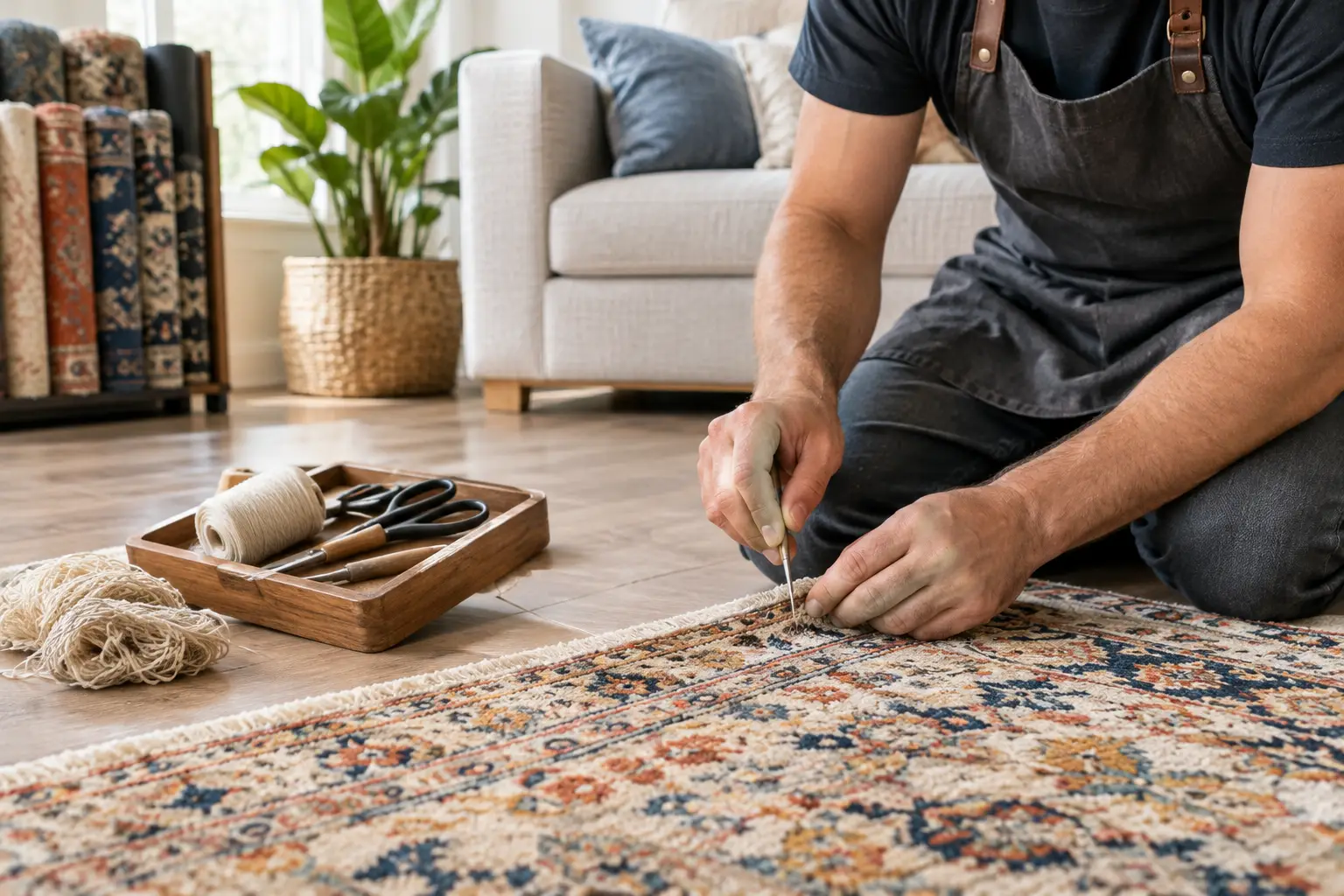
Use this Kennesaw rug repair guide to spot damage early, choose the right restoration, and protect the color, texture, and comfort of your favorite rug.
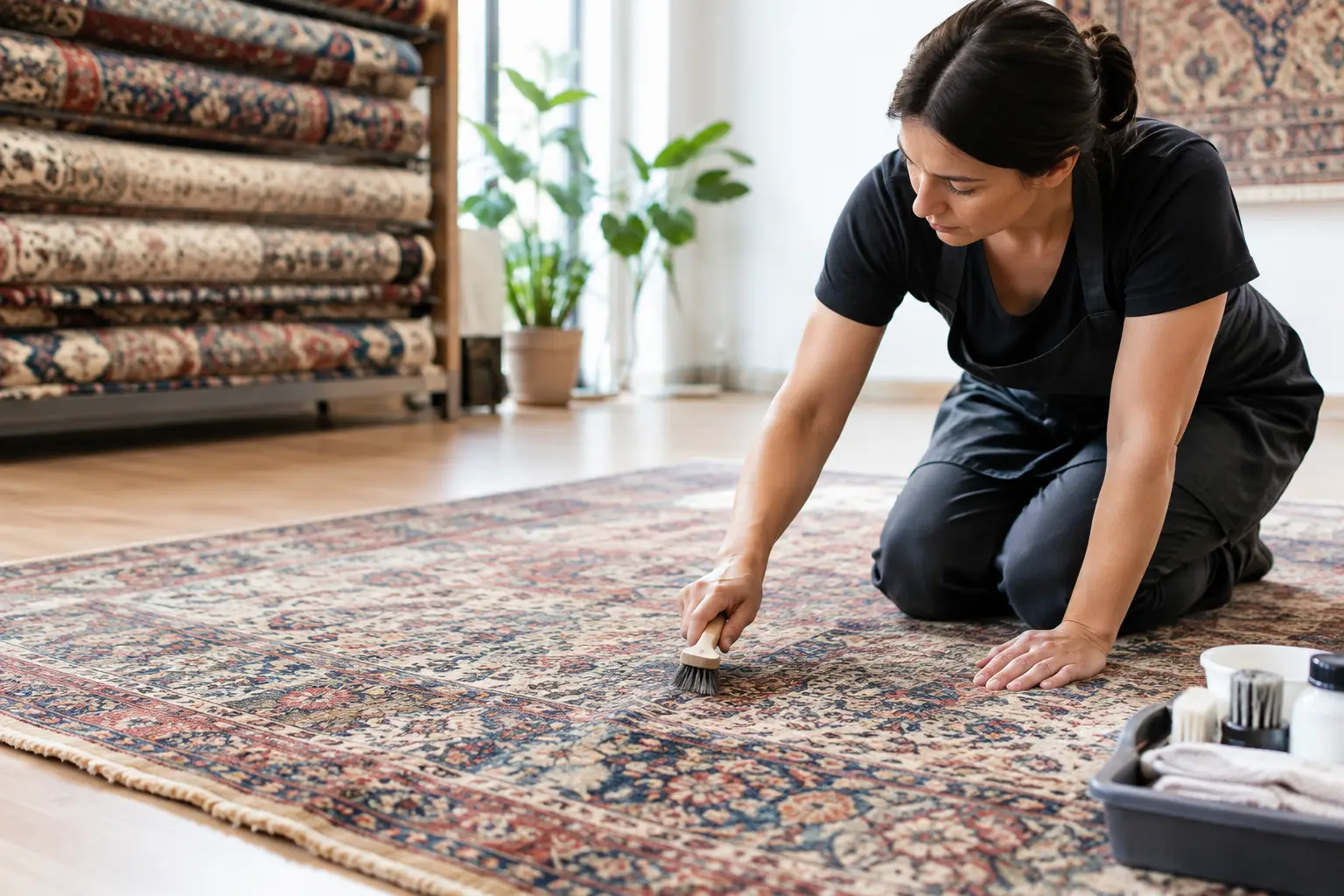
Marietta rug restoration can preserve color, texture, and history. Learn when repair makes sense and how thoughtful care protects a cherished rug at home.
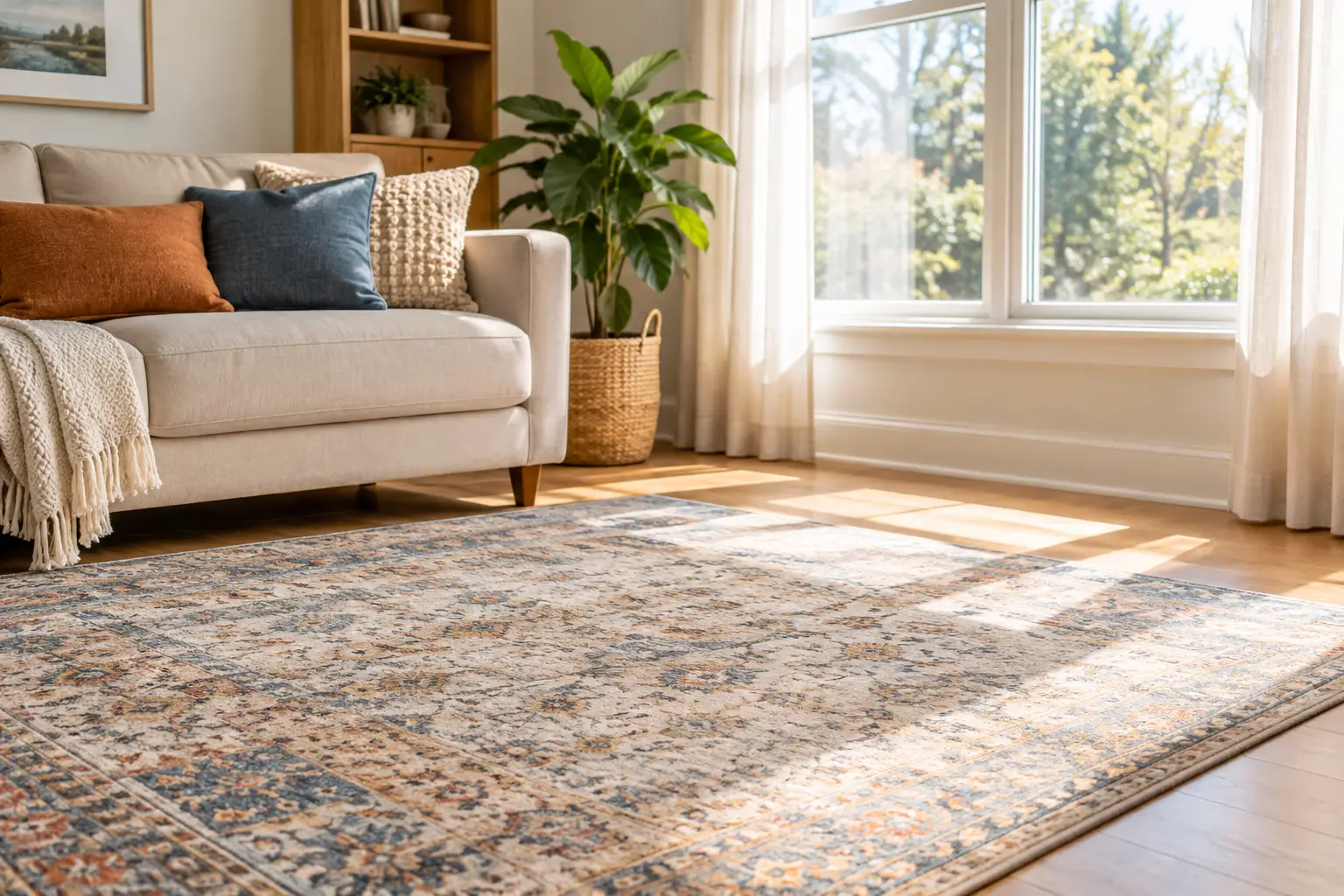
Learn how to protect rugs from sun fading with thoughtful window treatments, rotation, cleaning, and placement tips that preserve color and comfort daily.
From cozy area rugs to statement-making wall décor, our curated categories make it easy to explore what speaks to your space. Whether you’re refreshing a single corner or reimagining your whole home, start here and discover pieces that bring it all together.