

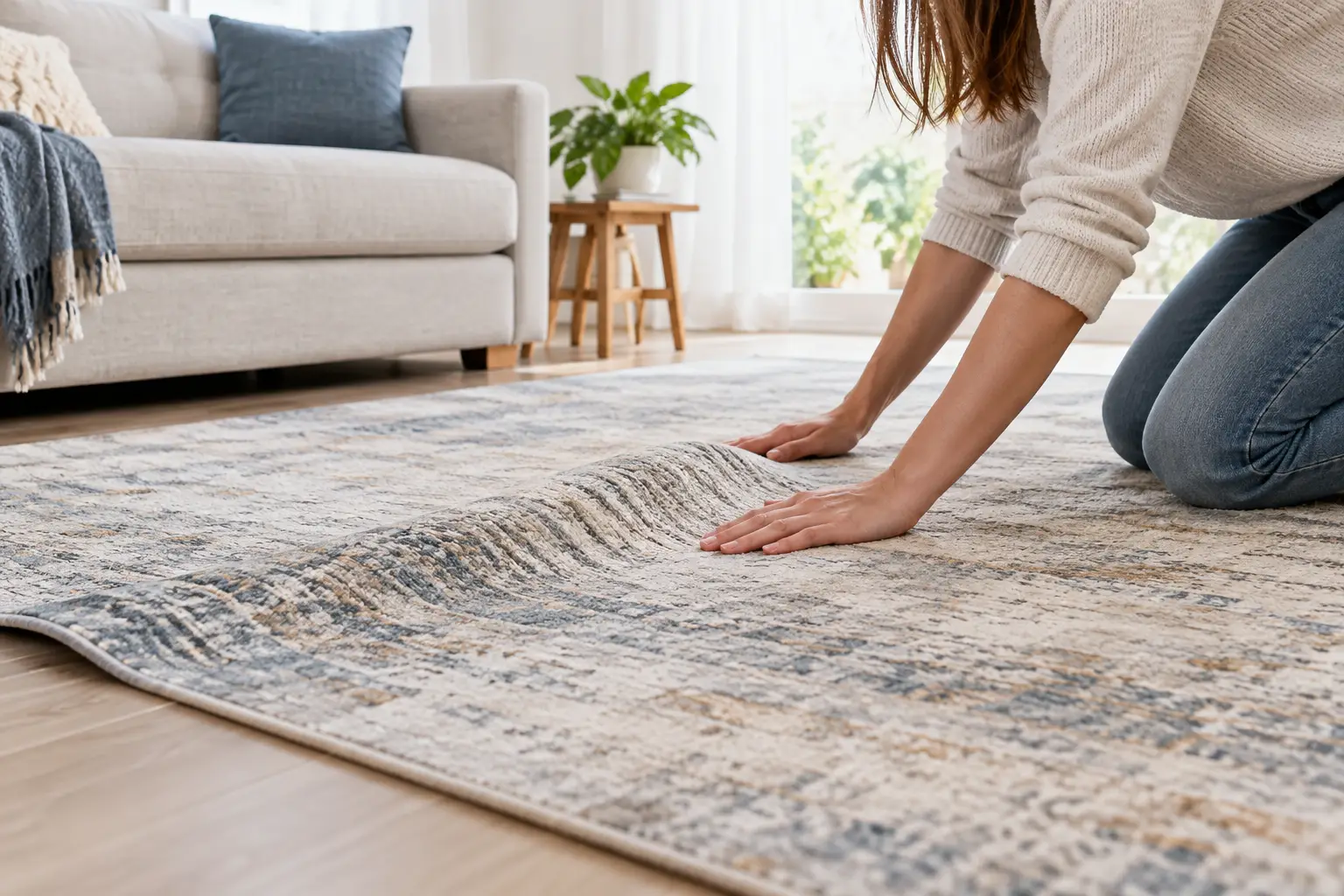
Why Rugs Ripple and How to Smooth Them Out
Wondering why rugs ripple? Learn the common causes, safe ways to flatten a rug, and when professional care can protect its shape and beauty for years.
A beautiful area rug can look perfectly placed and still feel slightly off underfoot. Often, the missing detail is underneath it. When you choose rug pad thickness thoughtfully, you give the rug a more tailored presence, create a softer step, and help it stay where it belongs in the room.
The right choice is not always the thickest pad. A plush living room rug, a low-profile hallway runner, and a flatwoven dining room rug each ask for something different. The best rug pad supports the way the room is used while preserving the proportion, texture, and quiet luxury of the space.
A rug pad does more than add cushioning. It helps reduce shifting, protects the rug from wear caused by friction against the floor, and can make a rug feel more substantial. On hard surfaces, it also creates a small layer of insulation and softness that makes a seating area feel noticeably more inviting.
Thickness affects appearance as much as comfort. A pad that is too thick can make a rug look puffy around the edges or create an awkward transition between the rug and surrounding floor. One that is too thin may leave a larger rug feeling flat and less grounded, particularly in a living room or bedroom where comfort is part of the experience.
Think of a rug pad as the foundation of the composition. Like the right lighting or the right throw pillows, it should quietly improve the room without calling attention to itself.
Start with the function of the room, then consider the rug itself. Most homes benefit from using more than one pad thickness rather than treating every rug the same.
For a living room, a medium to thicker pad often feels best. A pad around 1/4 inch to 3/8 inch provides welcome cushioning under a large area rug without creating too much lift beneath furniture. It is especially lovely beneath wool rugs, soft textured rugs, and rugs that define a conversation area.
If the front legs of a sofa and chairs rest on the rug, be mindful of a very thick pad. Excessive lift can make furniture feel less stable or create uneven pressure points. A dense, supportive pad is usually more useful than an overly lofty one. Density gives the rug body and comfort while helping the arrangement feel polished and secure.
Bedrooms are where a little extra softness can feel like a daily luxury. If your rug sits beneath the lower two-thirds of the bed, a 3/8-inch pad can create a warmer, more cushioned landing when you step out in the morning.
That said, consider clearance around nearby doors and the height of low-profile bedroom furniture. If the rug reaches a closet or bathroom doorway, a slimmer pad may be the more practical choice. Comfort should never come at the expense of a door that catches every time it opens.
Dining rooms generally call for a low-profile pad, often around 1/8 inch to 1/4 inch. Dining chairs need to slide in and out with ease, and a thick pad can make that movement feel clumsy. It may also create a noticeable edge that catches chair legs.
A thin, dense pad gives a dining room rug stability and protection without changing the clean silhouette of the space. This is particularly helpful with flatweaves and low-pile rugs, where the goal is an effortlessly styled look that still works for everyday gatherings.
High-traffic areas need a thinner pad with dependable grip. Runners in hallways and entryways should lie close to the floor so they do not become a trip hazard. A low-profile pad also helps doors pass smoothly over the rug.
In kitchens, choose a pad that keeps the rug steady while preserving a low, practical profile. A thicker pad might feel inviting at a sink or island, but only if it does not interfere with cabinet doors or create an unstable surface in a hardworking part of the home.
The rug itself should guide your decision. A hand-knotted wool rug, a vintage-inspired low-pile rug, and a thin flatweave do not need the same amount of support.
Flatweaves, kilims, and other thin rugs typically benefit from a slightly thicker pad because it gives them a more substantial feel. It can also help soften the texture underfoot. Choose a dense pad rather than one that feels spongy, so the rug remains smooth and does not ripple.
Plush rugs and high-pile styles already provide softness, so a thinner pad is often enough. The pad’s primary role becomes grip, insulation, and protection rather than added loft. Pairing a thick pad with an already thick rug can make the overall profile feel too high and may complicate door clearance.
Heavier wool rugs often sit nicely with a medium-density pad. They have enough natural weight to stay grounded, but they still benefit from the cushion and friction protection a quality pad provides. For delicate or heirloom-quality rugs, the right pad can be a meaningful part of long-term care because it reduces stress from repeated foot traffic.
Floor type matters just as much as room type. Hardwood, engineered wood, luxury vinyl, tile, and carpet all have different needs, and the wrong backing material can create problems over time.
On hard flooring, choose a pad designed to grip without leaving residue or reacting with the floor finish. Natural rubber is a popular choice for its grip, but it should be paired with materials labeled safe for your specific flooring. Avoid assuming that any non-slip backing is suitable for every surface, particularly with newer finishes or luxury vinyl.
For rugs placed over carpet, a firmer pad is usually better than a soft one. The goal is to prevent the area rug from shifting, wrinkling, or developing a rippled appearance over the carpet pile. A thick, cushioned pad can make the rug feel unstable underfoot, so look for a pad made specifically for rug-over-carpet use.
If you have radiant-heated floors, confirm that the pad material is compatible with heat. Breathability and manufacturer guidance matter here. A rug should add warmth and comfort to the room, not interfere with the way the floor is designed to perform.
A rug pad should be slightly smaller than the rug itself, usually by about one inch on each side. This allows the rug’s border to taper naturally to the floor and keeps the pad from peeking out around the edges.
For example, an 8-by-10 rug generally needs a pad that measures about 7 feet 10 inches by 9 feet 10 inches. If a pad is too large, the rug may curl or sit unevenly at the edge. If it is too small, the outer sections of the rug may not have enough support, especially in high-traffic areas.
Custom-shaped rugs, runners, and unusually sized pieces may need a pad trimmed to fit. This small detail makes a noticeable difference in how intentional the final placement feels.
More cushioning is not automatically better. Choose a thinner pad when the rug sits near a door, supports dining chairs, layers over wall-to-wall carpet, or already has a thick pile. Thin pads are also a strong option for antique rugs and low-profile styles where you want to preserve the rug’s original character rather than change its silhouette.
The same principle applies when layering rugs. If a smaller decorative rug sits over a larger natural-fiber base, keep the pad under the bottom rug low-profile. Too much thickness beneath several layers can make the arrangement feel bulky instead of collected.
Rug pads are easy to overlook because they are not the piece everyone sees. Yet they influence the comfort, safety, and longevity of the rug you chose for your home. Seeing a rug in person and feeling how different pad thicknesses change its drape and softness can make the decision much clearer.
At Home Rug Gallery, homeowners in Canton and surrounding North Georgia communities can compare rugs, textures, and room-defining details with design guidance that considers the entire space. The most successful choice is the one that lets your rug feel beautiful, stable, and naturally at home every time you walk into the room.
Wondering why rugs ripple? Learn the common causes, safe ways to flatten a rug, and when professional care can protect its shape and beauty for years.
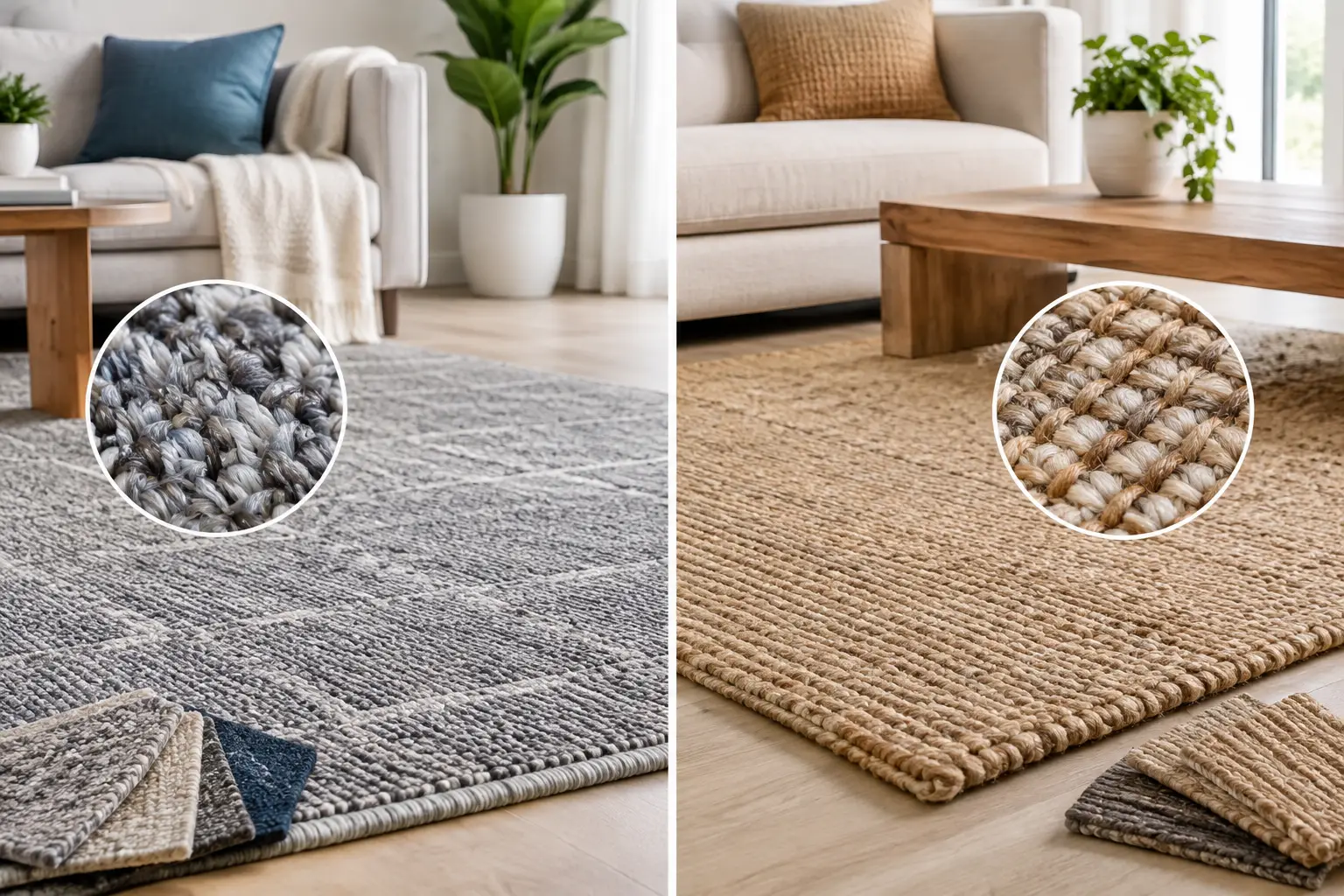
Compare synthetic versus natural fiber rugs for comfort, durability, care, and style to choose a beautiful, practical foundation for your home today.
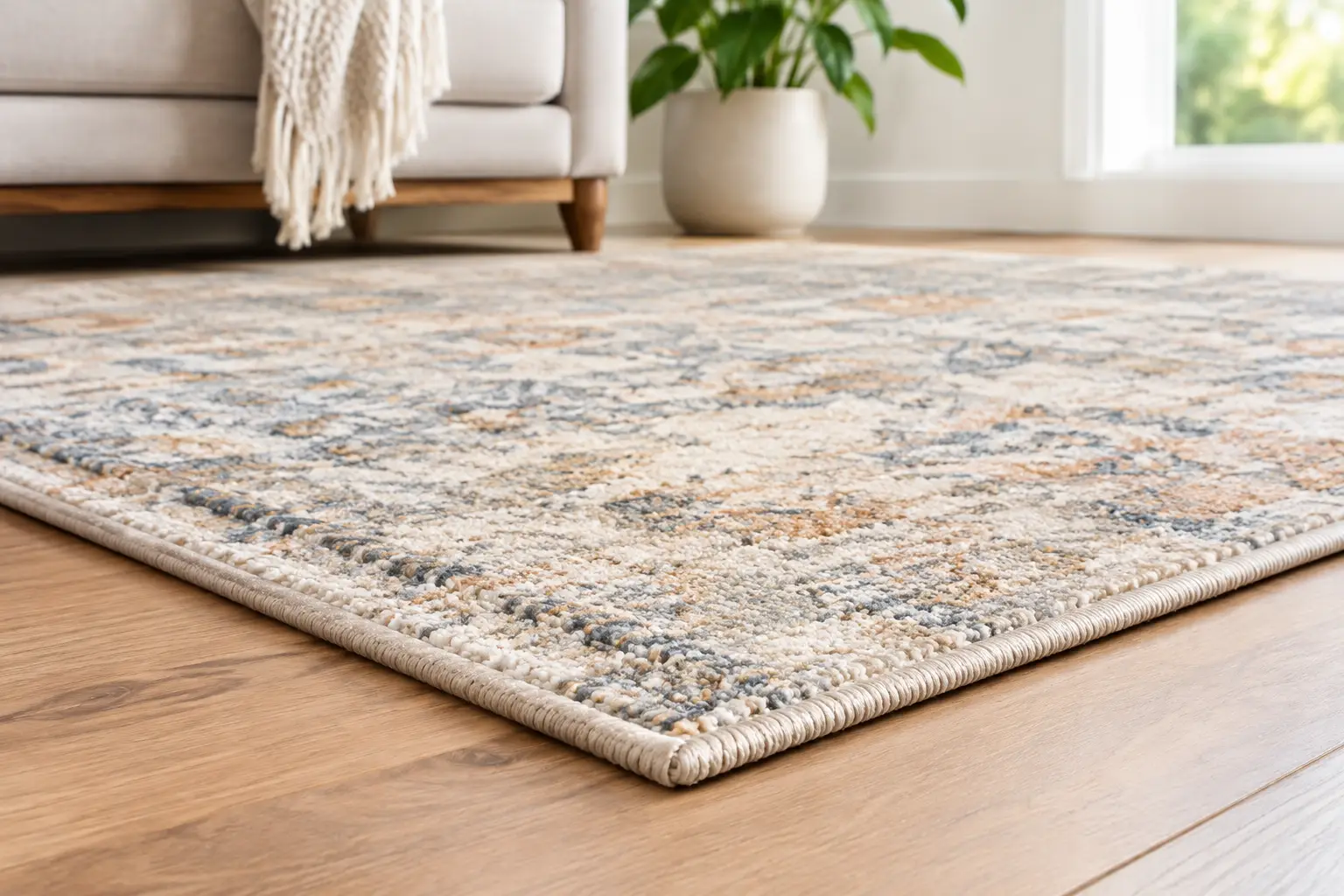
Rug binding gives worn, cut, or custom-sized rugs a polished edge, helping prevent fraying while preserving comfort, style, and everyday function at home.
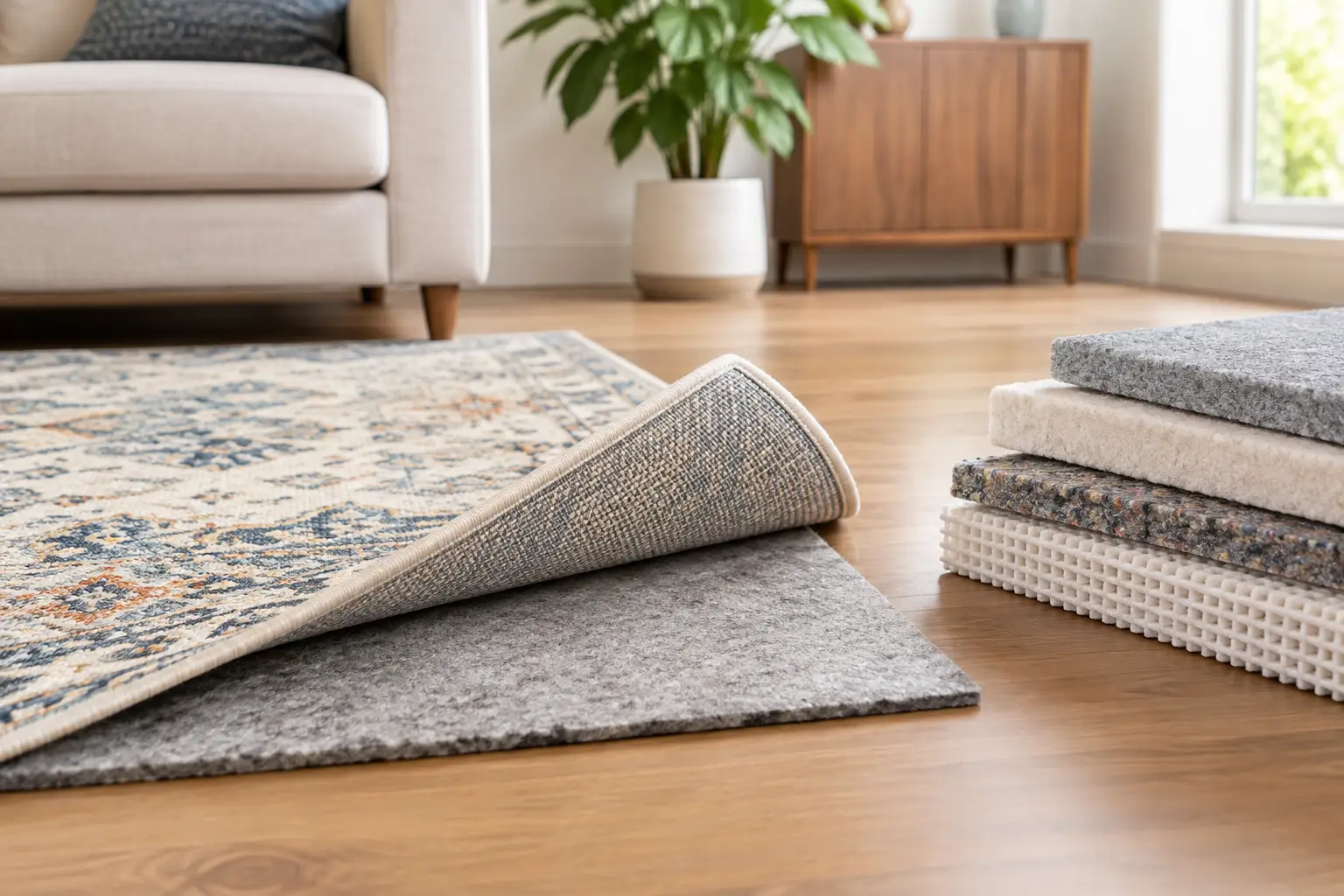
Learn how to choose rug pad thickness by room, floor type, and rug style for more comfort, a tailored look, and longer-lasting rugs at home every day.
From cozy area rugs to statement-making wall décor, our curated categories make it easy to explore what speaks to your space. Whether you’re refreshing a single corner or reimagining your whole home, start here and discover pieces that bring it all together.