

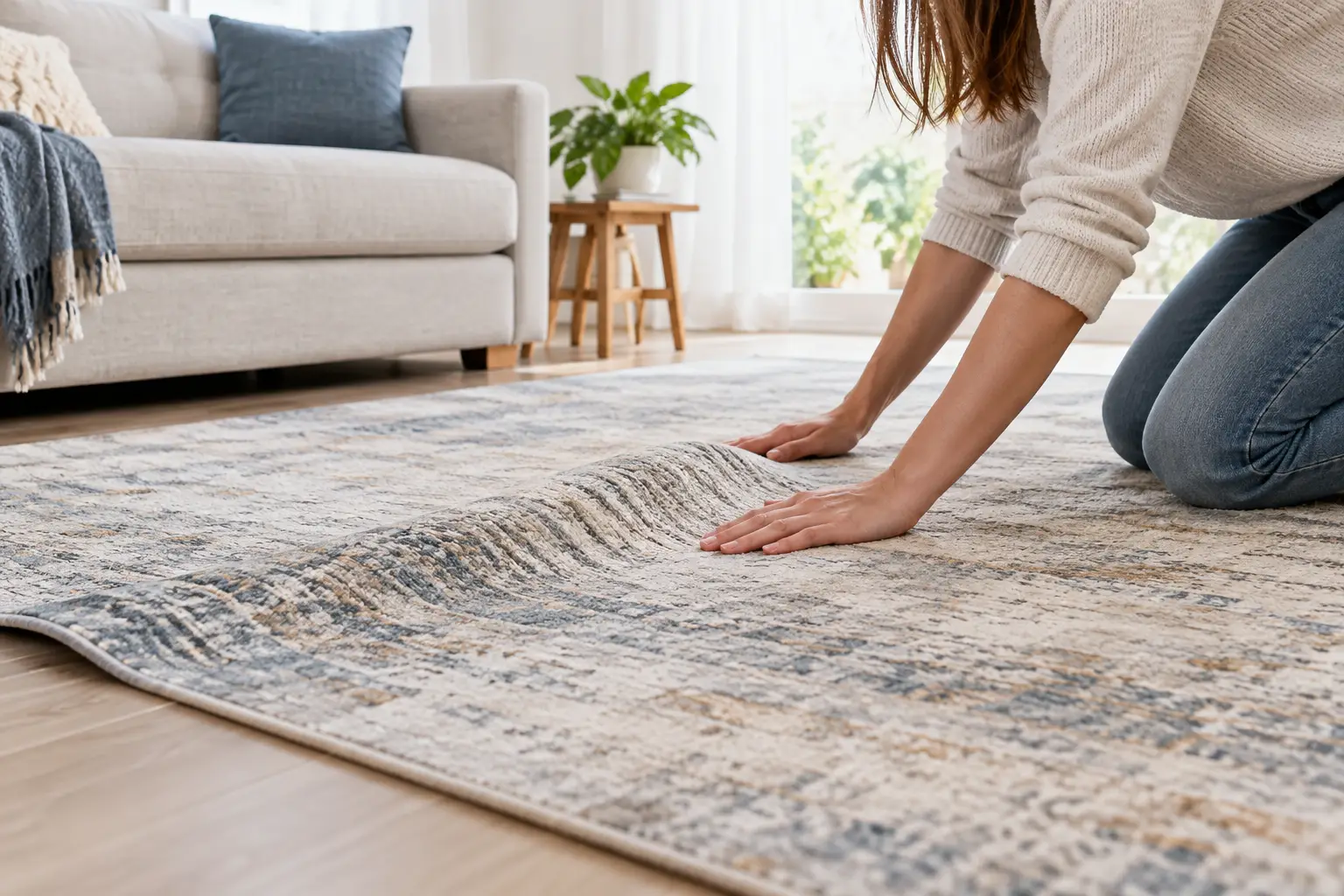
Why Rugs Ripple and How to Smooth Them Out
Wondering why rugs ripple? Learn the common causes, safe ways to flatten a rug, and when professional care can protect its shape and beauty for years.
A rug can make a room feel finished, but the material beneath your feet determines how that room lives day after day. When comparing synthetic versus natural fiber rugs, the best choice is rarely about one material being universally better. It is about matching texture, performance, care needs, and the feeling you want your home to hold.
A softly layered living room may call for wool’s quiet luxury. A busy family room may benefit from a forgiving performance fiber. The right rug should support your style while making everyday life feel more comfortable, not more complicated.
Natural fiber rugs are made from materials that come from plants or animals. Wool, jute, sisal, seagrass, cotton, and silk are among the most familiar options. They tend to bring organic texture, warmth, and a sense of depth that works beautifully in homes designed around natural finishes, layered neutrals, or collected furnishings.
Synthetic rugs are made from manufactured fibers, including polypropylene, polyester, nylon, and viscose. Each has its own character, but these materials are often selected for their durability, color consistency, softness, and lower-maintenance appeal. Many synthetic designs can closely resemble wool, silk, or handwoven textures while fitting the realities of active households.
The distinction matters because a rug is both a design element and a working surface. It anchors furniture, absorbs sound, softens hard flooring, and takes on everything from shoes and pet paws to dropped coffee and the occasional craft project. Material affects how it handles all of it.
Natural rugs have an unmistakable presence. Wool has a plush, substantial feel and a natural resilience that makes it a favorite for living rooms, bedrooms, and dining spaces. Its fibers can resist crushing better than many people expect, and its subtle variation gives a room a polished, layered look rather than a flat, overly matched appearance.
Wool is also naturally insulating and helps a space feel warmer underfoot. A well-made wool rug can become a long-term part of the home, particularly when it receives thoughtful professional care. It is a strong choice for homeowners who value craftsmanship, tactile comfort, and timeless design.
Plant fibers create a different effect. Jute is soft, relaxed, and beautifully suited to casual interiors, while sisal and seagrass offer a firmer, more structured weave. These rugs bring visual movement without requiring a bold pattern, making them especially useful beneath a coffee table, in a sunroom, or as a neutral foundation for more expressive furnishings.
Natural materials do have trade-offs. Jute, sisal, and seagrass can be sensitive to moisture, and their woven texture may not be ideal for homes where spills are frequent. Cotton rugs are often soft and approachable but may show wear sooner in high-traffic areas. Silk and silk-blend rugs are exceptionally refined, though they belong in lower-traffic spaces where their delicate sheen can be appreciated.
Natural fibers also vary from piece to piece. That variation is part of their appeal, but it means seeing and touching a rug in person can be especially valuable. The tone, weave, and texture can shift with the light in your home and the finishes already in the room.
Synthetic rugs are often the practical answer for rooms that see constant activity. Polypropylene, in particular, is widely appreciated for its resistance to staining and fading. It can be a smart choice for family rooms, playrooms, covered outdoor areas, and dining spaces where a beautiful rug still needs to be forgiving.
Polyester can offer a soft hand and rich color, while nylon is known for strength and resilience. These fibers make it possible to enjoy a detailed pattern, a pale neutral palette, or a high-style vintage-inspired look without worrying quite as much about every small mishap.
For homes with children or pets, synthetic rugs can reduce the stress of daily maintenance. That does not mean they are disposable or care-free. Dirt still settles into fibers, spills still need prompt attention, and regular vacuuming still matters. But their stain resistance and easy-cleaning qualities often make them a comfortable fit for the way busy rooms are actually used.
The design possibilities are another advantage. Synthetic materials can reproduce intricate motifs, soft pile, and nuanced color at a wide range of quality levels. A thoughtfully chosen synthetic rug can look elevated and feel inviting, especially when it is sized correctly and styled with intentional furniture placement.
The trade-off is that some synthetic rugs may not develop the same patina or tactile complexity as wool and other natural materials. Lower-quality options can also flatten, shed, or feel less substantial over time. Construction matters just as much as fiber content, so it is worth looking beyond the label.
The most useful question is not, “Should I buy natural or synthetic?” It is, “What does this room need from its rug?”
In a formal living room or primary bedroom, a wool rug can bring softness, comfort, and an effortlessly styled finish. These are spaces where the rug is often part of the visual story, and its texture may be as important as its durability.
In a dining room, consider the household routine. Wool can perform beautifully, but a patterned synthetic rug may offer more peace of mind when the table is used often by children, guests, or both. A low-pile construction is generally easier to manage beneath dining chairs than a thick, plush surface.
For entryways, mudrooms, and frequently used family spaces, performance is usually the priority. A durable synthetic rug or a tightly woven wool design can help the room stay polished through regular traffic. Avoid delicate silk and moisture-sensitive plant fibers in areas where wet shoes, rain, or frequent spills are part of the picture.
In bedrooms, comfort can lead the decision. Wool, cotton, and soft polyester options all work well, depending on whether you prefer tailored texture, casual ease, or a more luxurious pile. Because bedrooms often receive less traffic, they are also a good place to choose a rug primarily for its look and feel.
Fiber is only one part of the decision. A pale rug may be practical in a quiet sitting room but frustrating under a breakfast table. A darker or heathered colorway can make everyday marks less visible, while a layered pattern adds movement and helps a large room feel more grounded.
Pile height matters, too. Low-pile rugs tend to work well under furniture and in high-traffic areas because they are easier to vacuum and less likely to catch chair legs. A higher pile feels especially inviting in bedrooms and lounging spaces, although it may require more attentive care.
Pay attention to the rug’s backing and edge finish as well. A hand-knotted wool rug, a handwoven flatweave, and a machine-made polypropylene rug can all be beautiful choices, but they will behave differently in the home. The way a rug is constructed influences its weight, flexibility, longevity, and how it should be cleaned.
A beautiful rug lasts longer when its care matches its material. Vacuuming regularly prevents grit from working into the pile, but settings should be adjusted for delicate fibers and fringes. Rotate rugs periodically so sunlight and foot traffic do not concentrate wear in one area.
For spills, blot rather than rub. Rubbing can push a stain deeper into the fibers or distort a woven surface. Natural fiber rugs, especially wool and plant fibers, benefit from material-specific cleaning methods. Excess water can create problems for jute, sisal, and seagrass, while improper products may affect wool’s texture or color.
Professional cleaning and restoration can be especially worthwhile for quality wool, antique, handmade, or sentimental rugs. These are not simply floor coverings. They are often the pieces that hold a room together and become part of a home’s story over time.
The best rug does more than fill open floor space. It gives your furniture a sense of place, repeats tones found in your pillows or artwork, and creates the first layer of comfort when someone enters the room. Whether you choose a resilient synthetic design or a richly textured natural fiber, scale and placement will make the final result feel intentional.
If you are choosing between materials, seeing them in person can bring clarity quickly. At Home Rug Gallery, homeowners can compare texture, pile, color, and construction side by side, then consider how each choice will feel in their own rooms. Choose the rug that suits the life happening in your home, and it will make every return to that space feel a little more personal.
Wondering why rugs ripple? Learn the common causes, safe ways to flatten a rug, and when professional care can protect its shape and beauty for years.
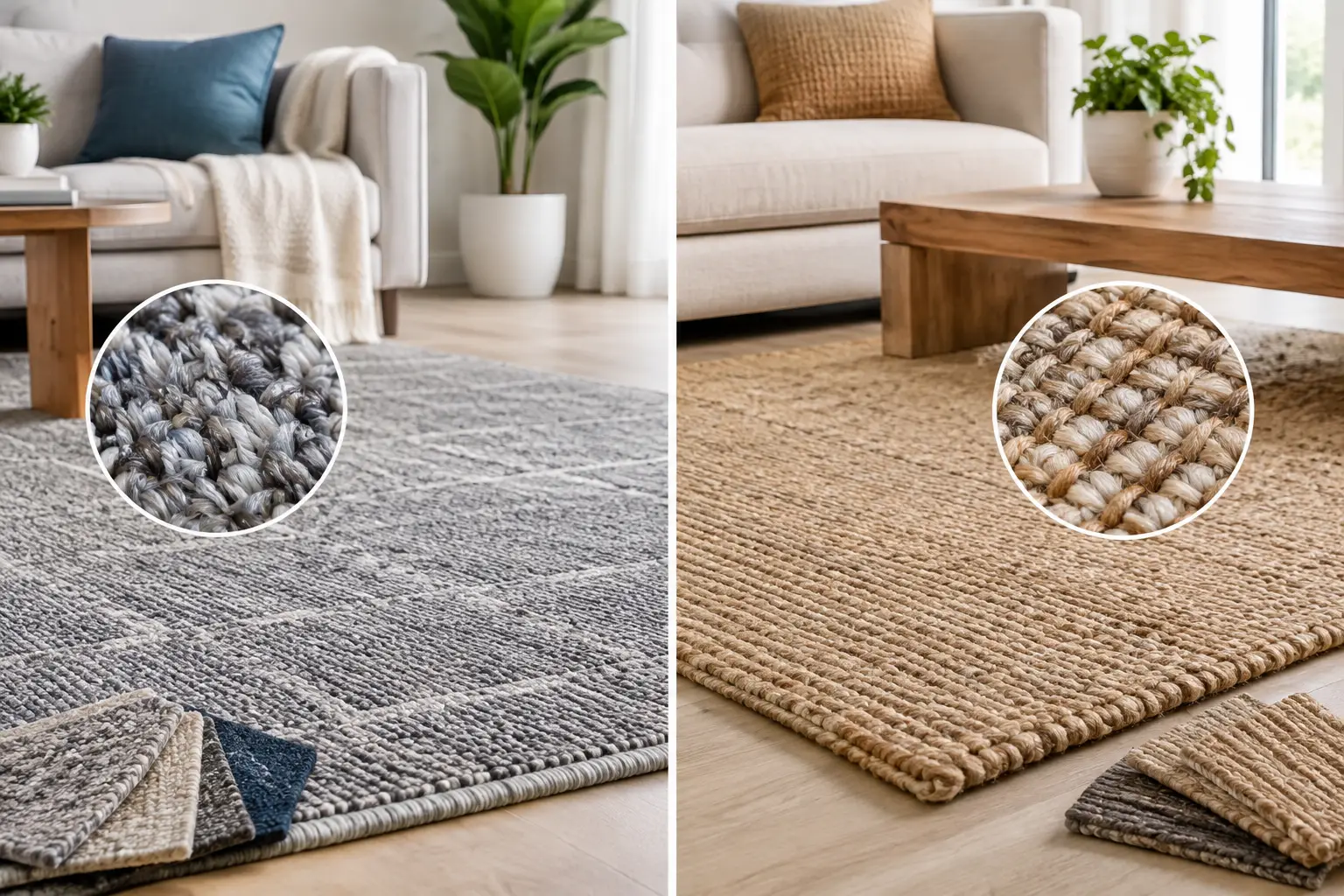
Compare synthetic versus natural fiber rugs for comfort, durability, care, and style to choose a beautiful, practical foundation for your home today.
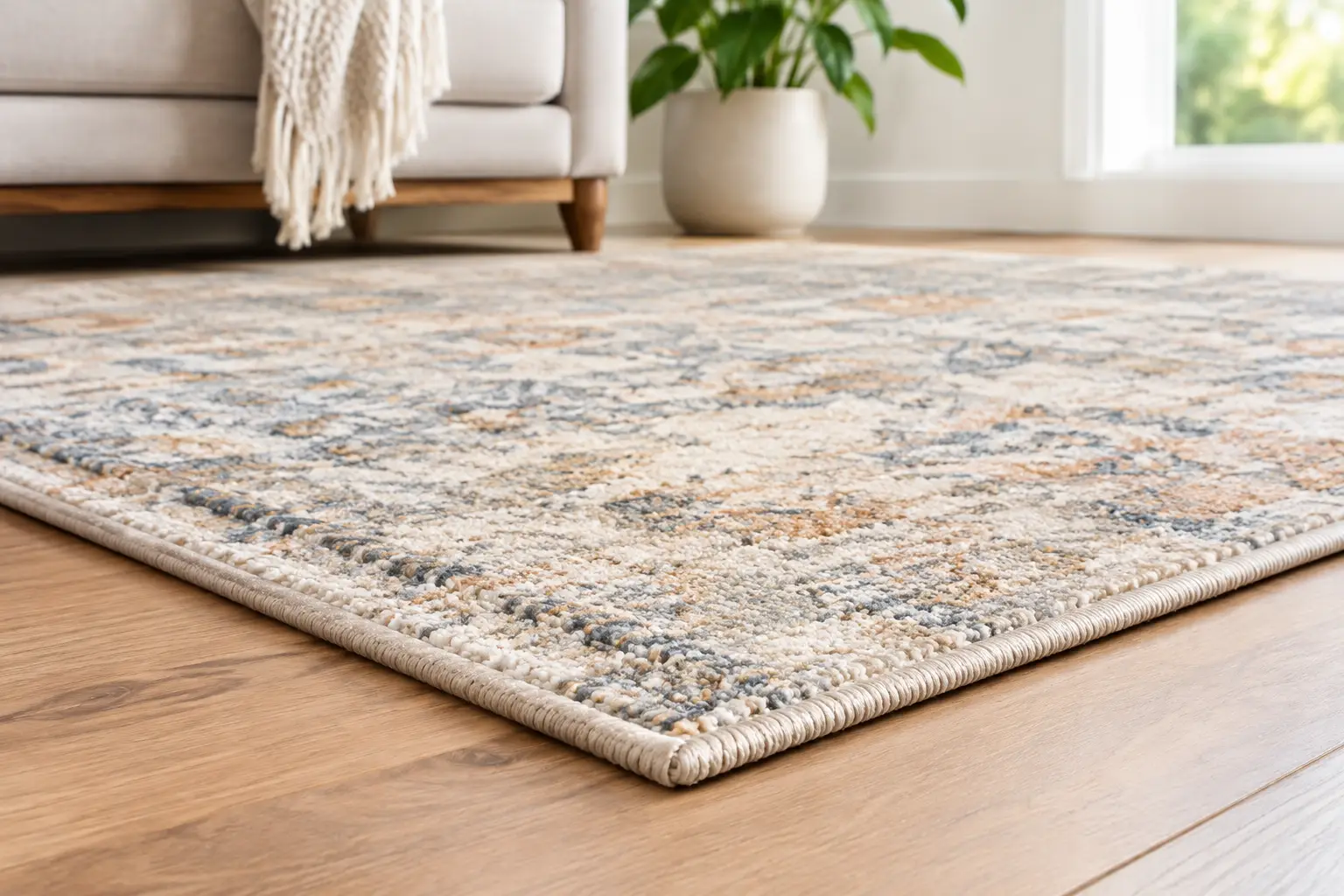
Rug binding gives worn, cut, or custom-sized rugs a polished edge, helping prevent fraying while preserving comfort, style, and everyday function at home.
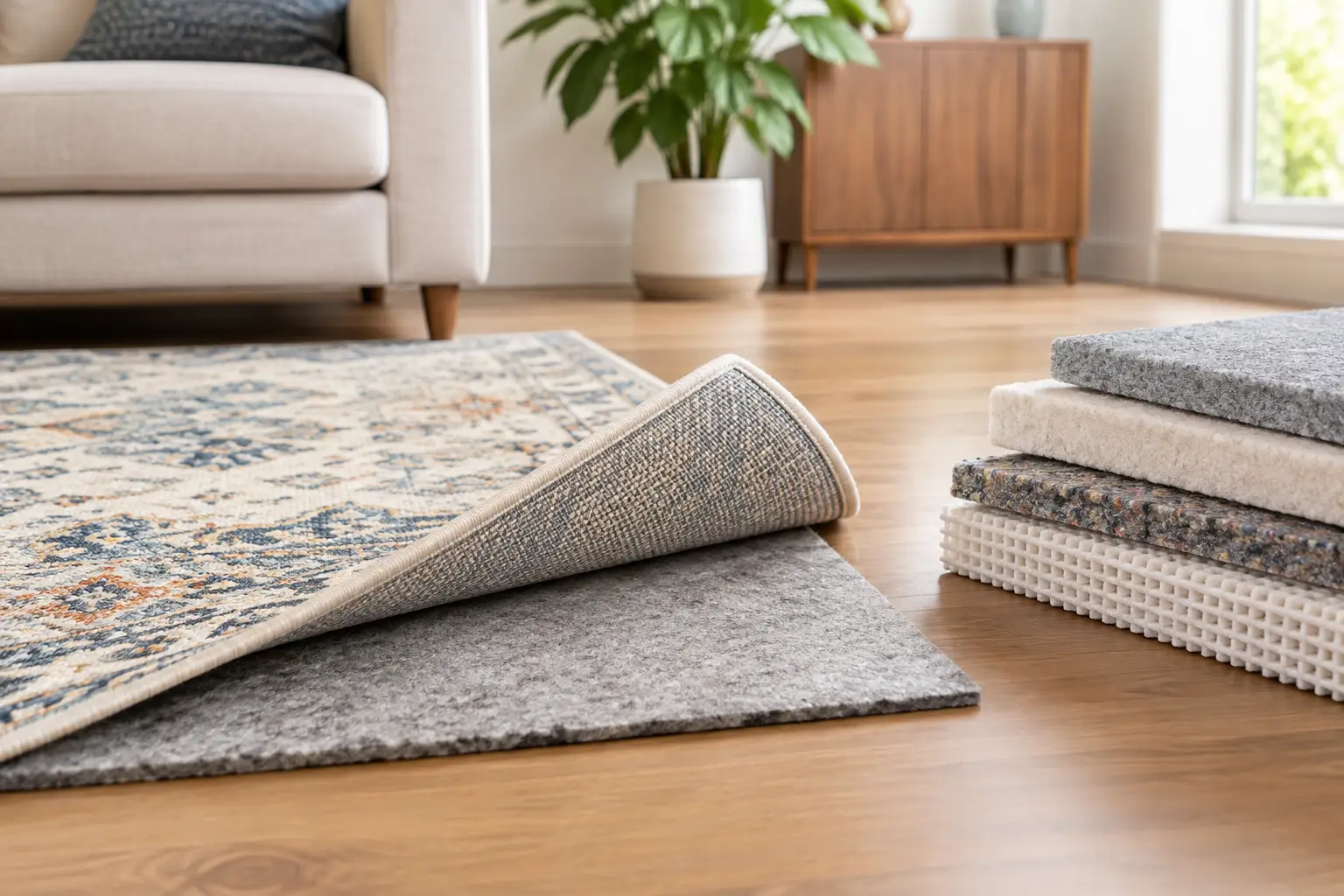
Learn how to choose rug pad thickness by room, floor type, and rug style for more comfort, a tailored look, and longer-lasting rugs at home every day.
From cozy area rugs to statement-making wall décor, our curated categories make it easy to explore what speaks to your space. Whether you’re refreshing a single corner or reimagining your whole home, start here and discover pieces that bring it all together.