


How to Remove Pet Odors From Rugs Safely
Learn how to remove pet odors from rugs without harming color or fibers, plus when professional washing is the smarter choice for a fresh home that lasts.
A rug can make a beautiful room feel finished – or quietly throw the whole layout off. That is why the conversation around custom rugs versus standard sizes matters more than many homeowners expect. The right choice affects how a room flows, how furniture sits, and whether the space feels thoughtfully designed or just almost there.
For some homes, a standard size rug is exactly right. For others, custom is what turns a tricky layout into something that feels effortless. The better option depends on your room, your furniture plan, and how precise you want the final result to feel.
At a glance, the difference seems simple. Standard rugs come in familiar dimensions like 5×8, 8×10, 9×12, and runners. Custom rugs are made to suit a specific footprint, often with more flexibility in shape, scale, edge finish, and material.
What changes in practice is the level of control you have. With a standard size, you are selecting from proven proportions that work well in many rooms. With a custom rug, you are tailoring the rug to the room instead of adjusting the room to the rug.
That distinction matters in homes where furniture placement is already set, where open-concept spaces need stronger definition, or where architectural details create dimensions that do not land neatly on off-the-shelf sizes. A room can be beautifully furnished and still feel visually unsettled if the rug is just a little too small, too wide, or awkwardly placed.
Standard size rugs are popular for good reason. They simplify the shopping process and often work beautifully in straightforward rooms. If your living room, dining room, or bedroom follows common proportions, there is a good chance a standard size can create the look you want without overcomplicating the decision.
They also make comparison easier when you are shopping in person. You can quickly visualize what an 8×10 or 9×12 will do in your space, especially if your furniture arrangement is fairly classic. In many living rooms, for example, an appropriately sized standard rug can anchor the front legs of seating and instantly make the arrangement feel connected.
Standard sizes also tend to be a strong choice when you like to refresh your room over time. If you may rotate furniture, move pieces between rooms, or update your look seasonally, standard dimensions can offer more flexibility. They fit a wide range of spaces and are easier to repurpose later.
There is also a design advantage in restraint. Not every room needs a highly tailored solution. Sometimes a standard rug delivers exactly the right amount of softness, pattern, and structure without asking you to make dozens of additional decisions.
Custom rugs become especially valuable when the room has unique demands. Maybe your dining room is unusually long, your primary bedroom needs a very specific border around the bed, or your family room is open to the kitchen and needs a rug that defines the seating area without looking undersized.
In those moments, custom helps you avoid compromise. Instead of choosing a rug that is close enough, you can choose one that supports the room precisely. That often creates a more polished result, especially in homes where every furnishing choice is part of a cohesive vision.
Custom can also be the better choice when shape matters. Round breakfast areas, narrow landings, extended hallways, and irregular spaces often benefit from dimensions that standard sizes do not address well. Even a few extra inches can make the difference between a rug that feels intentional and one that feels like a placeholder.
For style-conscious homeowners, custom offers another layer of refinement. You may be able to coordinate material, texture, edge detail, or overall scale in a way that better suits the room’s palette and mood. If your goal is quiet luxury or a room that feels deeply personal, that level of specificity can be worth pursuing.
One of the most common design issues in otherwise lovely rooms is poor rug scale. A rug that is too small makes furniture appear disconnected. A rug that barely clears a dining table can make the entire space feel cramped each time chairs are pulled out. A bedroom rug with awkward exposure on one side can throw off visual balance without anyone quite knowing why.
This is where custom rugs versus standard sizes becomes less of a shopping question and more of a design question. The rug is not just décor. It is part of the architecture of the room.
When the fit is right, the room feels calmer. Sightlines improve. Furniture reads as a complete arrangement. The space feels grounded and easier to live in. Those effects are subtle, but they are powerful.
There is no universally better option here. There is only the better fit for your home.
Standard sizes offer convenience and often enough variety to satisfy both practical needs and style goals. They are excellent for many rooms, especially when dimensions are typical and your layout does not demand precision.
Custom rugs offer greater control, but they also require more clarity. You need to know your room dimensions, your furniture plan, and the look you are trying to achieve. If you are still deciding whether the sofa will float or sit against the wall, or whether the dining table will stay in that room long term, a custom decision may feel premature.
There is also an emotional trade-off. Some homeowners love having choices narrowed down. Others want the room to feel singular and are willing to be more specific in the process. Neither instinct is wrong. It simply shapes which path will feel more satisfying.
Start with the room itself, not the rug. Measure the full space, then map your furniture placement. Think about where feet land, where chairs move, and how much floor you want exposed around the edges.
If your measurements line up naturally with common rug sizes and the arrangement feels balanced, a standard size is likely a smart choice. If you keep finding that every standard option is slightly off – too short under the bed, too tight beneath the dining chairs, too narrow for the seating area – custom is probably the better answer.
It also helps to think about the visual role of the rug. Is it simply adding warmth and softness, or is it carrying a larger design responsibility by defining a zone, balancing a large room, or coordinating with multiple finishes? The more responsibility the rug has, the more valuable a precise fit becomes.
Photos and online size charts can only tell you so much. Rugs are physical design pieces. Texture, border scale, pile height, and color tone all affect how large or small a rug feels once it is in a room. That is one reason homeowners often benefit from seeing options in person and talking through layout with someone who understands both style and function.
A showroom setting makes comparison more intuitive. You can see how different constructions read, how patterns affect perceived scale, and how a rug might coordinate with other layers in the room like lighting, pillows, and furnishings. When a home is meant to feel curated rather than pieced together, those details matter.
For homeowners in Canton and nearby North Georgia communities, working with a local design-minded rug resource can make the custom versus standard decision feel far less abstract. At Home Rug Gallery, that conversation often begins not with what rug is available, but with how you want the room to live and feel.
The best rug choice is the one that supports your home as it actually exists – your layout, your routines, your style, and the feeling you want when you walk into the room. Standard sizes can be beautiful, versatile, and exactly right. Custom rugs can bring a level of fit and finish that transforms a space from good to deeply considered.
If you find yourself trying to make a room work around the rug, pause there. The right rug should make the room feel easier, softer, and more complete.
Learn how to remove pet odors from rugs without harming color or fibers, plus when professional washing is the smarter choice for a fresh home that lasts.
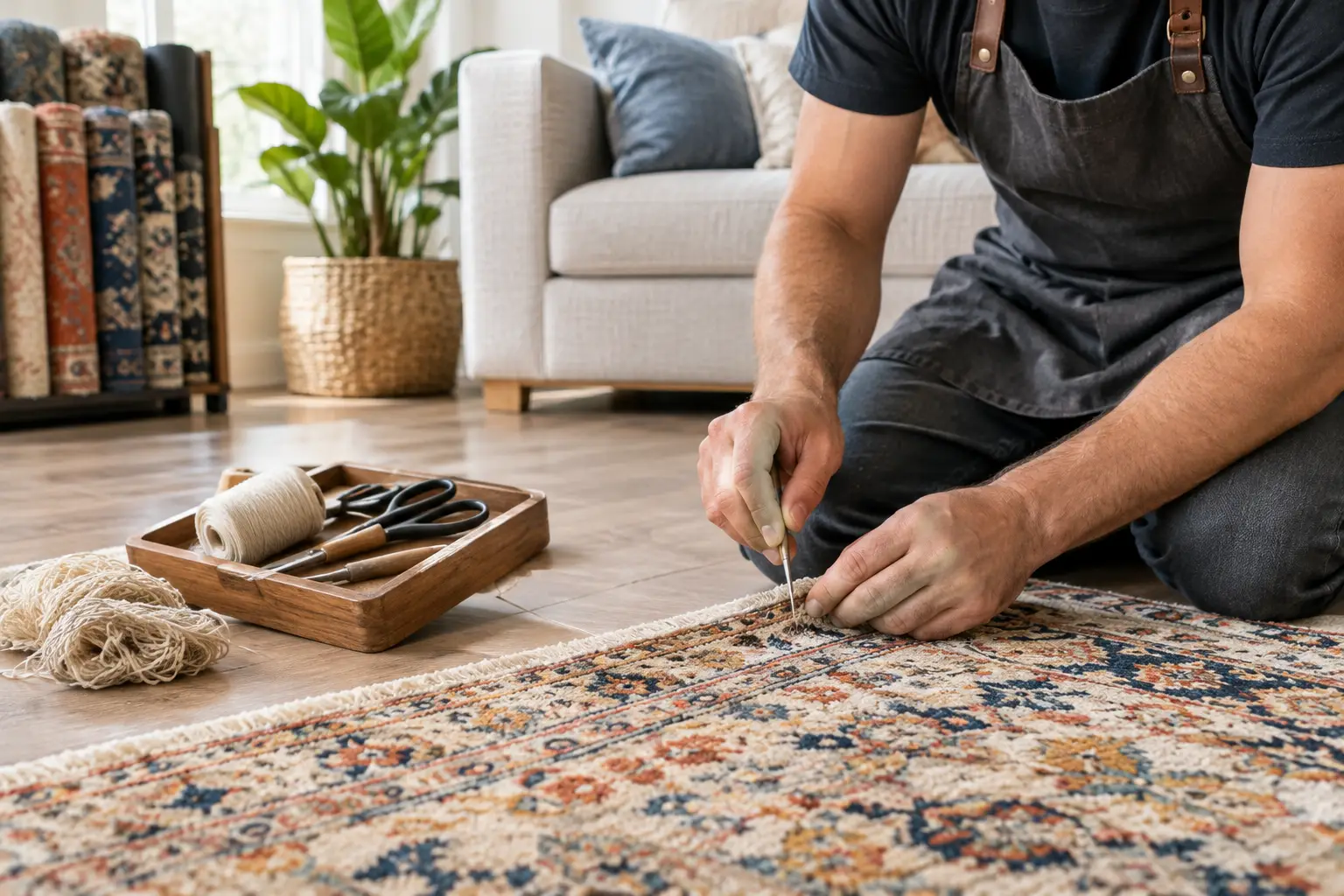
Use this Kennesaw rug repair guide to spot damage early, choose the right restoration, and protect the color, texture, and comfort of your favorite rug.

Marietta rug restoration can preserve color, texture, and history. Learn when repair makes sense and how thoughtful care protects a cherished rug at home.
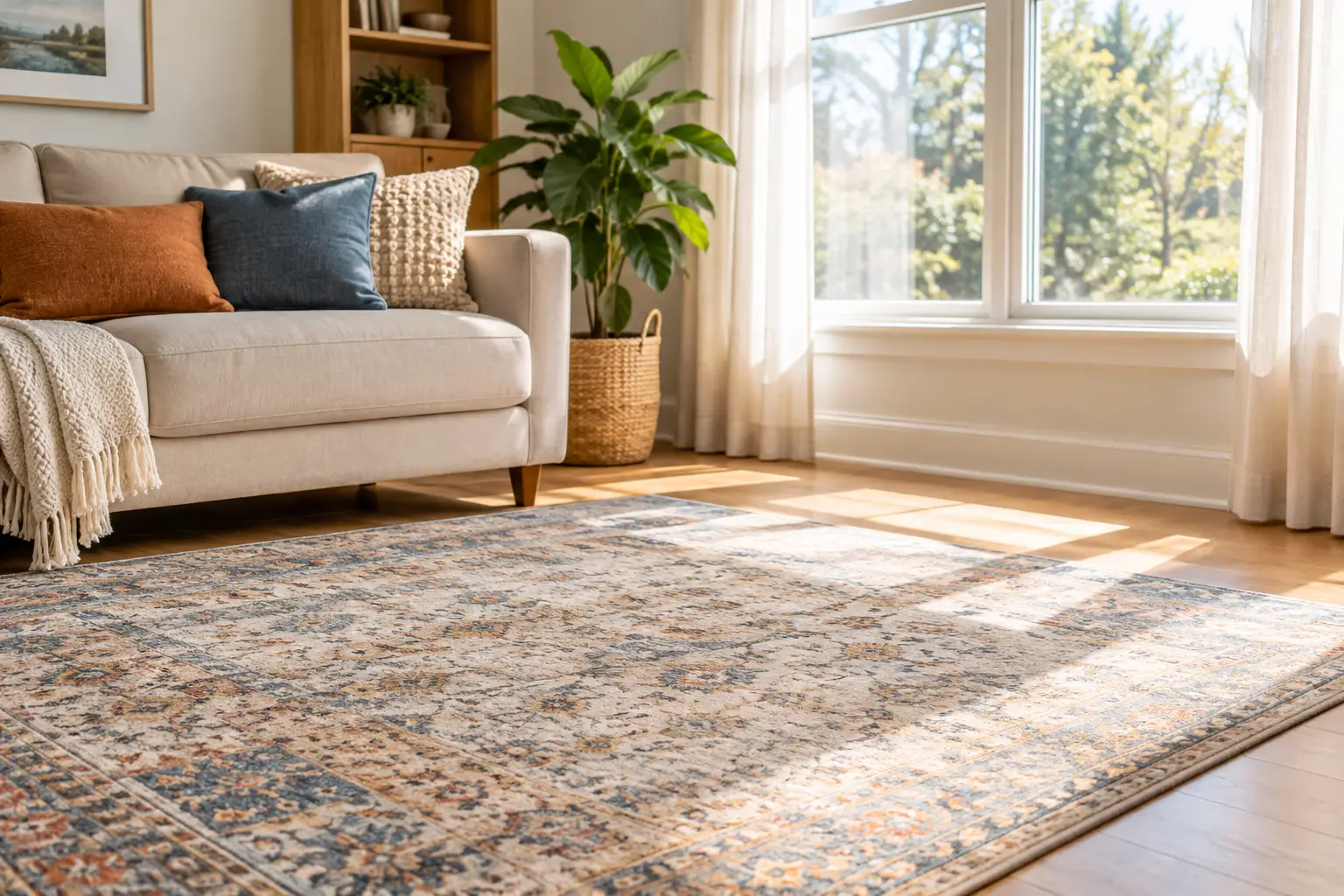
Learn how to protect rugs from sun fading with thoughtful window treatments, rotation, cleaning, and placement tips that preserve color and comfort daily.
From cozy area rugs to statement-making wall décor, our curated categories make it easy to explore what speaks to your space. Whether you’re refreshing a single corner or reimagining your whole home, start here and discover pieces that bring it all together.