

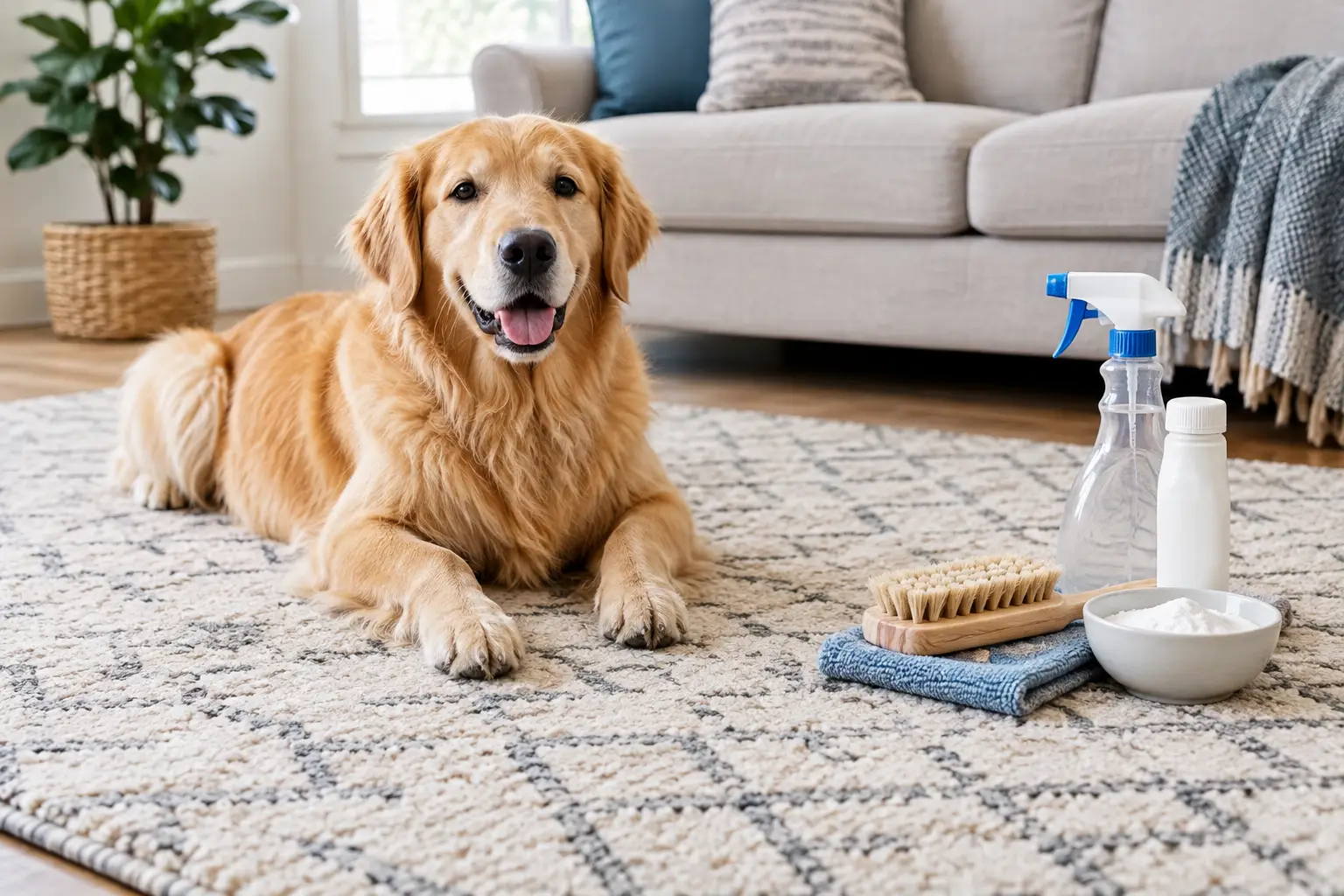
How to Remove Pet Odors From Rugs Safely
Learn how to remove pet odors from rugs without harming color or fibers, plus when professional washing is the smarter choice for a fresh home that lasts.
A rug usually tells you when it needs help before it falls apart completely. Maybe the fringe has started to unravel, one corner keeps curling, or a small tear appeared after moving furniture. These are the moments when damaged rug repair options matter most, because early attention can preserve both the look of the rug and the way it lives in your room.
Not every damaged rug needs the same response. Some issues are mostly cosmetic, while others affect structure and longevity. The right choice depends on the type of rug, the extent of the damage, how visible the area is, and whether the piece holds design, sentimental, or practical value in your home.
The phrase covers more than one kind of service. A simple repair might stabilize an edge or secure loose fringe. A more involved restoration can rebuild missing areas, reweave damaged sections, or address wear that has developed over time. Then there are cases where careful cleaning is part of the solution because dirt, pet accidents, or moisture have contributed to the problem.
That distinction matters. Homeowners sometimes assume a rug is beyond saving because the damage looks dramatic on the surface. In other cases, a rug appears fine until the foundation has weakened underneath. A proper evaluation looks at both the visible finish and the hidden structure.
For design-conscious homes, there is also an aesthetic question. A repair should not simply stop the damage. It should help the rug return to the room in a way that still feels intentional, balanced, and beautifully lived in.
This is one of the most common issues, especially in rugs placed in high-traffic areas like living rooms, hallways, and under dining tables. When edge binding loosens or the side begins to fray, the rug can continue to unravel with everyday use.
Repair usually focuses on re-securing the edge before more fibers are lost. If caught early, this is often a straightforward structural fix. If ignored too long, the side may need more extensive rebuilding to recreate a clean line.
Fringe often shows wear first because it is exposed to foot traffic, vacuuming, pet activity, and furniture movement. In some rugs, fringe is decorative. In others, it is tied into the rug’s structure, which means damage is more significant than it appears.
A trim may improve the look in certain cases, but that is not always the right answer. If the fringe is structural, proper repair helps protect the rug from deeper unraveling. This is one area where quick cosmetic fixes can create bigger issues later.
A small hole from moth damage, a tear from moving furniture, or a worn area in a favorite traffic path all call for a closer look. If the surrounding fibers and foundation are stable, localized repair may be possible. If the damage has spread or the base is weak, restoration work may be needed to rebuild the area.
The trade-off here is visibility. Some repairs blend beautifully, while others may remain slightly noticeable depending on the rug’s pattern, pile, and age. With antique, handmade, or deeply personal rugs, preserving the piece is often worth that nuance.
Corners that flip up or areas that ripple can be frustrating in daily life and can also become a safety concern. Sometimes the issue comes from wear, improper storage, moisture exposure, or previous cleaning methods that affected the rug’s shape.
Repair may involve reshaping, reinforcing the corner, or correcting structural distortion. In some cases, what looks like a minor corner problem is actually a sign of broader tension or foundation damage.
Pet accidents can do more than leave a stain. Odor, discoloration, and fiber weakening often happen together, especially if moisture sits too long. Scratching and chewing can also create edge damage or bare spots.
Here, repair and cleaning often work hand in hand. The rug may need odor treatment, stain correction, and structural repair rather than one isolated service. It depends on whether the damage is surface-level or has reached the foundation.
The best damaged rug repair options are the ones that respect both the rug and the room it belongs in. A well-made wool rug, a handmade piece, or a rug that anchors a carefully styled space often deserves a thoughtful repair approach. The same goes for rugs with sentimental value, whether they were inherited, brought back from travel, or chosen as a defining piece for your home.
There are also times when replacement is the more practical choice. Machine-made rugs with extensive structural failure, severe dry rot, broad areas of loss, or damage across multiple zones may not be strong candidates for meaningful restoration. Repair is not just about whether something can be fixed. It is about whether the result will hold up and still feel worthwhile in your space.
That is why a measured assessment matters. The goal is not to push every rug toward full restoration. It is to recommend the option that fits the rug’s construction, condition, and role in your home.
It is tempting to reach for fabric glue, iron-on products, or quick stitching when damage first appears. For a very temporary hold, those approaches may seem helpful. But on quality rugs, they often create a stiffer, more visible problem that is harder to correct later.
Glue can seep into fibers and alter texture. Improper stitching can pull the rug out of alignment or put stress on nearby areas. Trimming loose fibers without understanding the structure can accelerate unraveling. What begins as a small edge repair sometimes turns into a larger restoration because the original issue was handled too aggressively.
For homeowners who care about how a room feels as much as how it functions, that trade-off is rarely worth it. A rug should return to the floor looking cared for, not patched in a way that interrupts the entire space.
Hand-knotted, hand-tufted, flatweave, and machine-made rugs each respond differently to damage. The fiber content matters too. Wool, cotton, silk blends, and synthetics all behave in their own way when worn, stained, or rewoven.
A professional evaluation starts with how the rug was built, because the method of repair has to respect that structure. The more tailored the repair, the more natural the final result tends to feel.
A rug may have one obvious hole, but if the surrounding area is brittle or thinning, a repair plan has to account for the bigger picture. Likewise, a rug with minor edge wear may be an excellent repair candidate if the rest of the piece is strong.
This is where experience makes a difference. Good repair is not only about fixing the part that looks damaged. It is about protecting what is still in good condition.
In design-focused homes, repair is not simply structural. It should also preserve the rug’s visual rhythm. Matching fiber tone, pile height, and finish matters, especially in open-concept rooms where the rug is a large part of the overall composition.
Some repairs become nearly invisible. Others are intentionally honest, especially on older rugs where preserving the integrity of the piece matters more than making it look brand new. Neither approach is wrong. It depends on the rug and the homeowner’s priorities.
One of the nicest things about a well-repaired rug is that it lets a room keep its depth. Not every interior needs something brand new to feel polished. In fact, a thoughtfully maintained rug often adds the kind of quiet luxury that makes a space feel layered rather than overly finished.
That is especially true when the rug is central to your color palette or helps connect surrounding pieces like lighting, pillows, upholstery, and wood tones. Keeping that foundation intact can be more satisfying than starting over and trying to recreate the same balance from scratch.
For homeowners in Canton, Woodstock, Acworth, and Kennesaw who want their homes to feel cohesive and deeply personal, a professional repair conversation is often worth having sooner rather than later. At Home Rug Gallery, that kind of guidance is part of caring for the full life of a rug, not just the moment it first comes home.
If your rug has started to fray, ripple, fade, or pull apart, the smartest next step is usually the simplest one – let someone assess it before the damage spreads, and give the piece a fair chance to stay part of the room you already love.
Learn how to remove pet odors from rugs without harming color or fibers, plus when professional washing is the smarter choice for a fresh home that lasts.
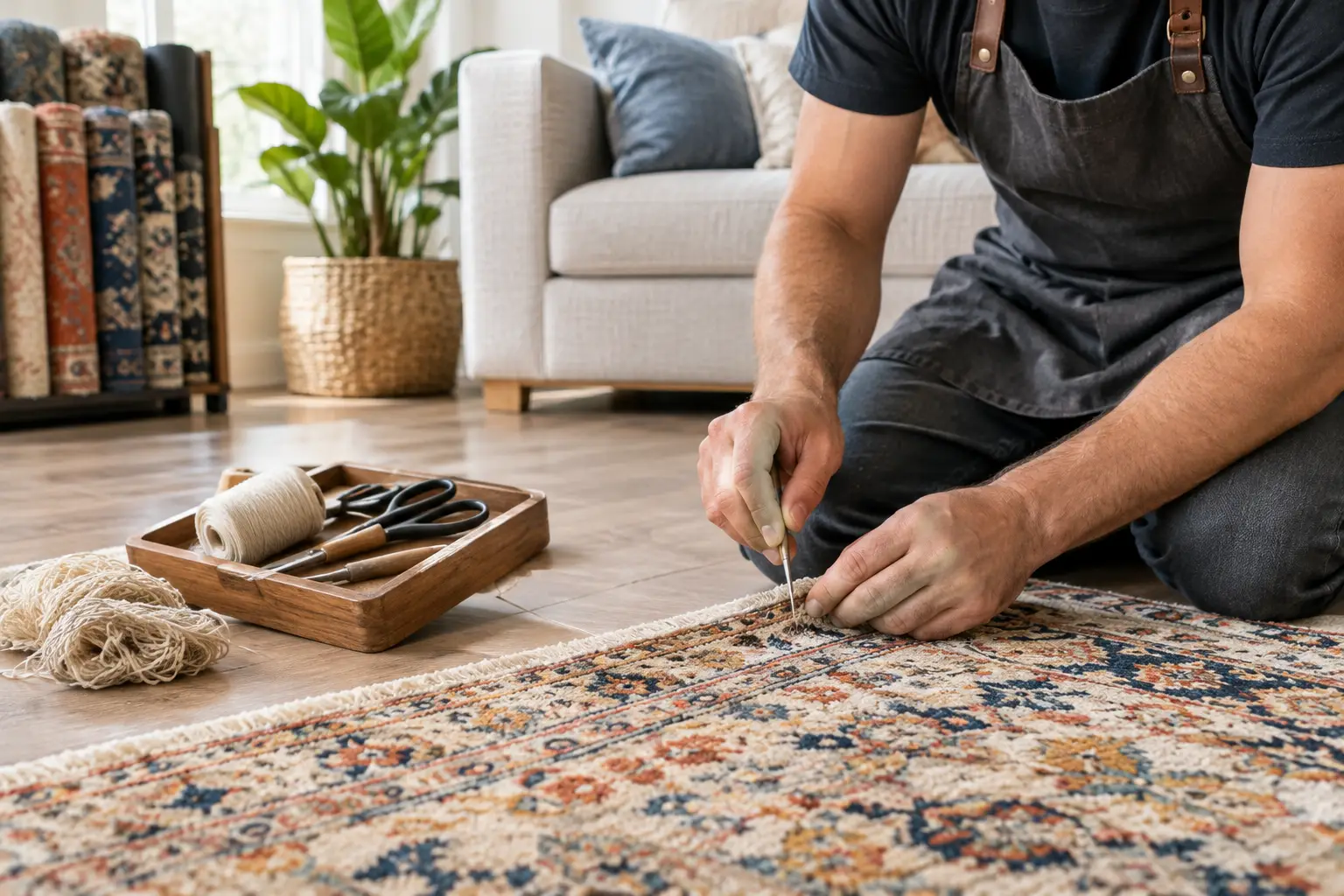
Use this Kennesaw rug repair guide to spot damage early, choose the right restoration, and protect the color, texture, and comfort of your favorite rug.
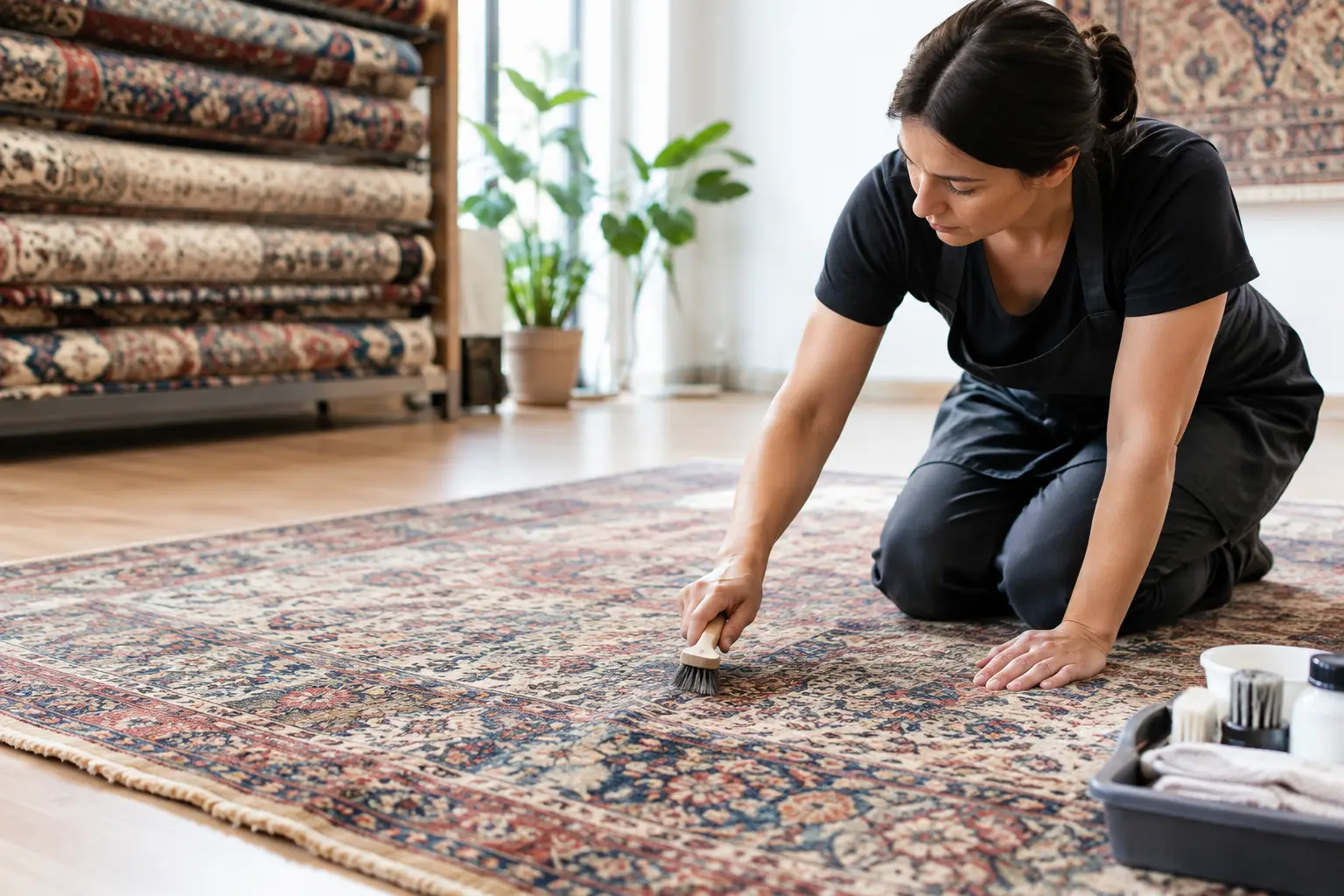
Marietta rug restoration can preserve color, texture, and history. Learn when repair makes sense and how thoughtful care protects a cherished rug at home.
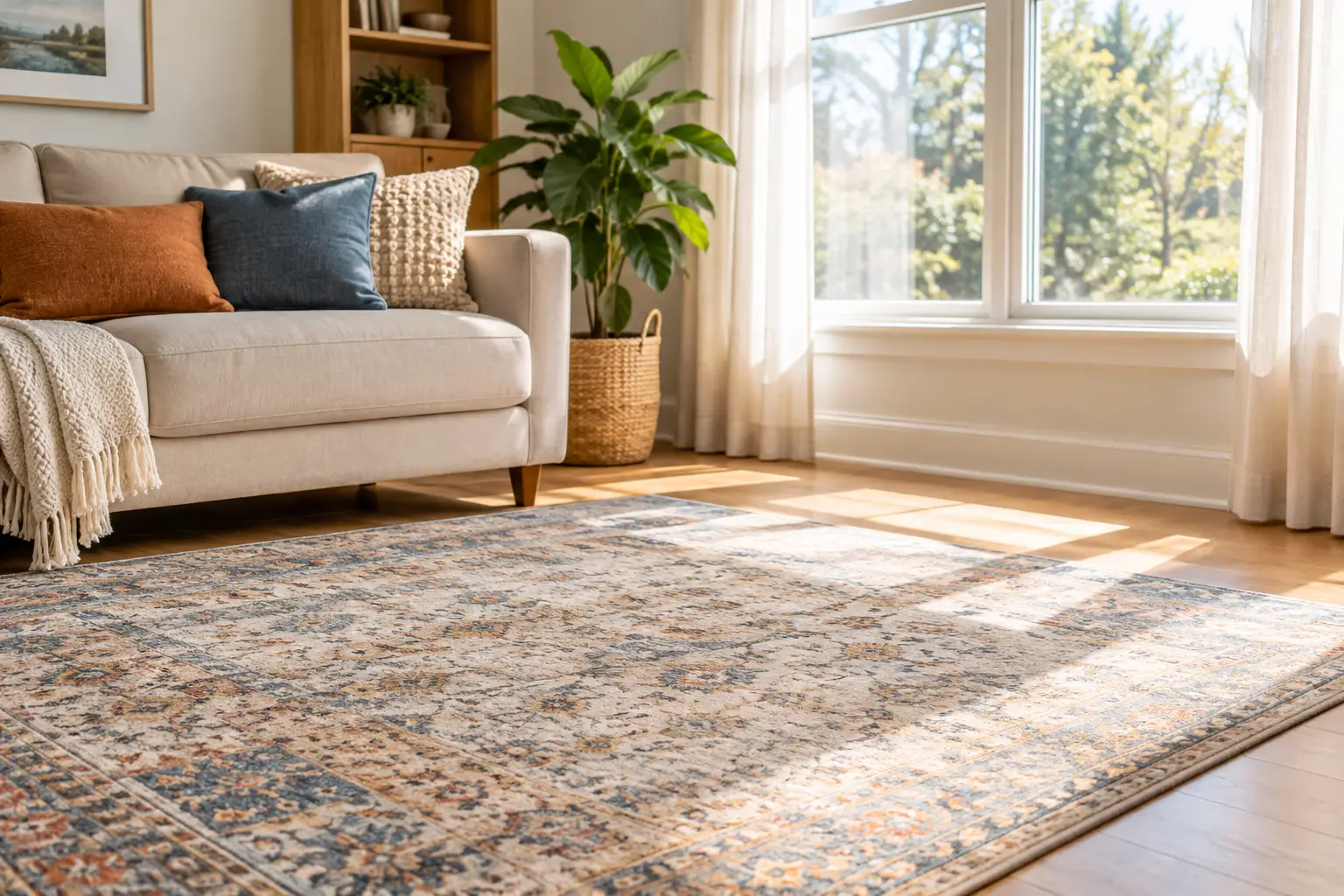
Learn how to protect rugs from sun fading with thoughtful window treatments, rotation, cleaning, and placement tips that preserve color and comfort daily.
From cozy area rugs to statement-making wall décor, our curated categories make it easy to explore what speaks to your space. Whether you’re refreshing a single corner or reimagining your whole home, start here and discover pieces that bring it all together.