

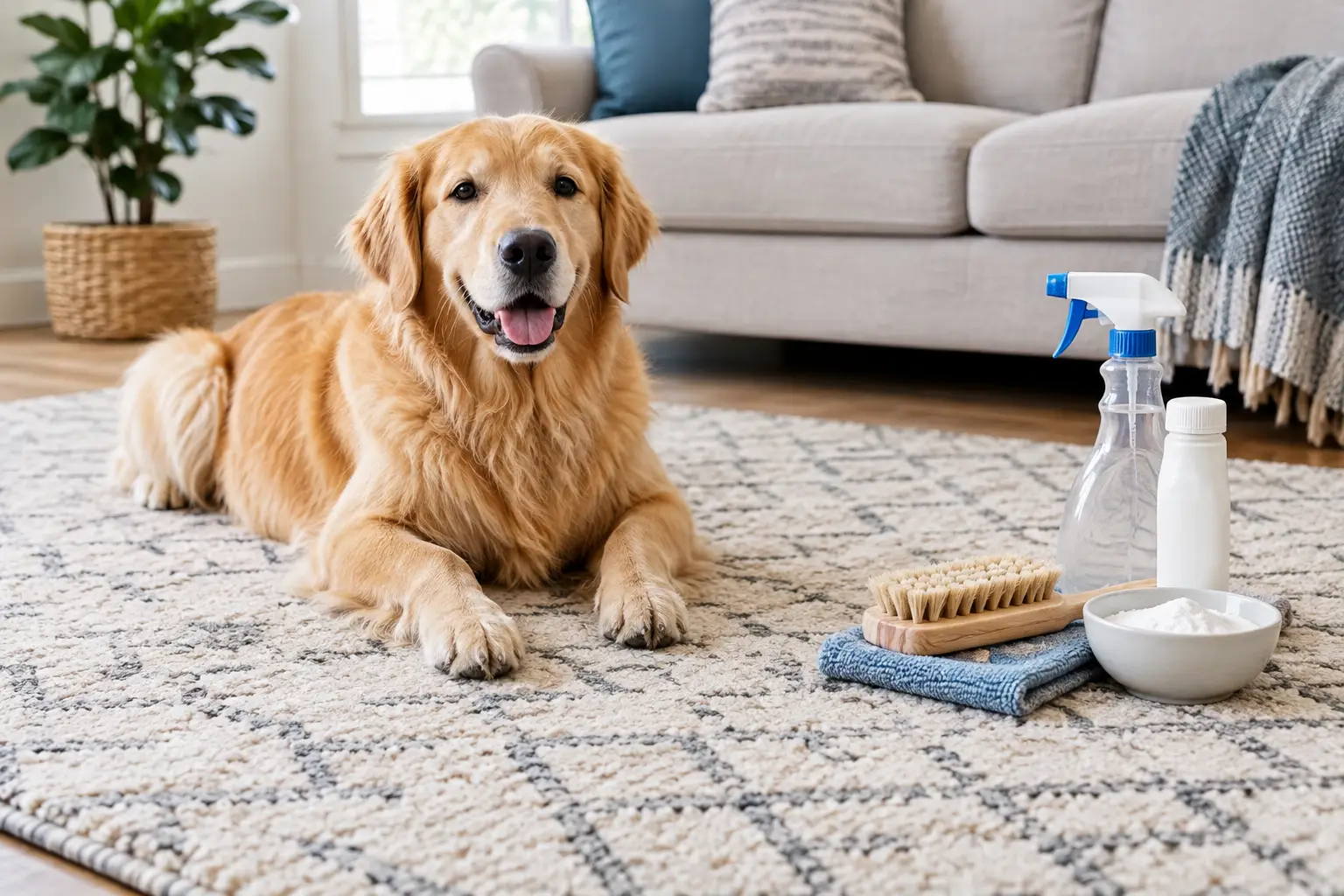
How to Remove Pet Odors From Rugs Safely
Learn how to remove pet odors from rugs without harming color or fibers, plus when professional washing is the smarter choice for a fresh home that lasts.
A sofa can be beautifully upholstered, the rug can be exactly right, and the room can still feel unfinished. That final layer is often softer, smaller, and more influential than people expect. If you have ever wondered how to decorate with accent pillows in a way that looks intentional rather than overdone, the answer usually comes down to balance – of color, scale, texture, and restraint.
Accent pillows do more than fill corners. They help connect a rug to a chair across the room, soften the lines of a bench or sectional, and make a space feel lived in without looking casual in the wrong way. When chosen well, they create that effortlessly styled look many homeowners want, but they still need to work with the room you already have.
The easiest mistake is treating pillows like an afterthought. People often buy one because they like the pattern, then another because the color feels close enough, and soon the sofa looks crowded but not cohesive. A better approach is to start with the room itself.
Look first at your largest visual anchors. In most living rooms, that means the rug, sofa, window treatments, and art. In bedrooms, it may be the headboard, bedding, and bench. Pillows should echo these elements rather than compete with them. If your rug carries a subtle rust, olive, or blue, pulling one of those tones into your pillows makes the room feel layered and connected. If the rug is more neutral, pillows can do more of the color work.
This is also where scale matters. A large sectional can handle fuller, taller pillows with presence. A smaller apartment sofa or accent chair usually needs less bulk and fewer competing patterns. What looks luxurious in a spacious family room may look cramped in a tighter seating area.
A polished room rarely uses random color. Even in eclectic interiors, there is usually a thread that ties everything together. When choosing accent pillows, think in terms of a color story rather than exact matching.
If your room is built around warm neutrals, consider pillows in camel, ivory, clay, tobacco, or muted gold. These shades create depth while keeping the palette quiet and refined. If the space already has cool tones, blue-gray, sage, charcoal, and soft cream often feel calm and current.
Exact matches can make a room feel flat. A navy rug and identical navy pillows may be technically coordinated, but they can read one-note. It is often more interesting to vary the shade and texture. A denim blue linen beside a deeper velvet or a printed pillow with hints of slate can create movement without disrupting the room.
If you love stronger color, let one tone lead and one or two support it. For example, a rust print can sit comfortably with solid oatmeal and a smaller patterned pillow that includes both rust and brown. That kind of layering feels deliberate. Five unrelated colors usually do not.
Pattern mixing is where many people hesitate, but it becomes much easier once you think about contrast in scale. If every pillow has a small, busy print, the arrangement feels restless. If each one is bold and oversized, the sofa can look visually heavy.
A reliable combination is one larger-scale pattern, one smaller or more subtle pattern, and one solid or textured neutral. That gives the eye variation and a place to rest. Florals, geometrics, stripes, and abstract prints can work together when they share at least one color and do not all demand equal attention.
Stripes are especially useful because they add structure. They can calm a more organic print and help bridge traditional and transitional styles. Textural solids are equally important. A woven neutral, soft boucle, or velvet in a grounded tone can make patterned pillows feel more elevated.
It also helps to pay attention to the room’s overall style. In a classic interior, pattern often looks best when it feels tailored and collected. In a more modern space, fewer patterns with stronger contrast may feel cleaner. Neither approach is better. It depends on how much visual energy you want.
Color gets attention first, but texture is often what makes a room feel rich and inviting. This is especially true in neutral spaces, where texture does much of the design work.
Linen adds an easy, relaxed finish. Velvet brings softness and depth, especially in cooler months or more formal rooms. Chunky woven fabrics, fringe, embroidery, and subtle metallic threading can all add dimension. The key is variety with purpose.
A sofa styled in three beige pillows can still feel layered if one is brushed cotton, one is nubby and woven, and one carries a stitched pattern. On the other hand, a room full of shiny fabrics can feel overly precious. Texture should support comfort as much as appearance.
This is one reason pillows pair so naturally with rugs. A hand-finished rug with visible texture often looks even better when the pillows repeat that tactile quality somewhere else in the room. The effect is quiet, but it makes the space feel more considered.
More is not always better. The right number depends on the furniture and how the room is used.
On a standard sofa, three to five pillows is usually enough. That allows for layering without sacrificing seating. On a large sectional, five to seven may feel balanced, especially if they are grouped thoughtfully across corners and ends. In a bedroom, two sleeping pillows, two shams, and one or two accent pillows often create a clean, finished bed without looking overbuilt.
If your household actually uses the sofa for movie nights, naps, or everyday family living, leave room for comfort. Pillows should add softness, not become something everyone has to move before sitting down. The most beautiful arrangement is still one that works for the way you live.
Square pillows are the standard for a reason. They are versatile, easy to layer, and work on most sofas, sectionals, beds, and benches. But adding one lumbar pillow can change the entire arrangement.
On a deep sofa, a lumbar pillow introduces a horizontal line that breaks up a stack of squares. On a bed, it can make the arrangement feel tailored. On a bench or accent chair, it often works better than multiple square pillows because it looks cleaner and takes up less space.
Shape can also influence style. Large squares tend to feel fuller and more classic. A single elongated lumbar can feel slightly more modern. Again, it depends on the furniture and the mood of the room.
In the living room, pillows should connect the seating area to the rug and surrounding decor. This is often the best place to introduce a stronger pattern or a richer seasonal texture because the room can handle more visual layering.
In the bedroom, keep the look softer and more restrained. Pillows should support the bedding rather than compete with it. If the quilt or duvet is patterned, simpler accent pillows usually work best. If the bedding is solid, you have more freedom to bring in detail.
In a reading nook or entry bench, one pillow can be enough. A small moment still deserves intention, but not every seat in the house needs a full arrangement. Sometimes restraint is what makes a home feel quietly luxurious.
Pillows are one of those decor pieces that can look very different online than they do in a room. The scale of a print, the undertone of a neutral, and the feel of the fabric are all easier to judge in person. What reads as warm ivory on a screen may lean yellow at home. A pattern that seemed subtle may be much busier once placed next to your rug.
That is why many homeowners prefer to compare pillows alongside rugs, throws, and furnishings in a showroom setting. Being able to feel the textures, study the color under real light, and see how pieces coordinate takes much of the uncertainty out of styling. For rooms that need a more collected finish, thoughtful guidance can make all the difference.
The best accent pillows do not look like they were purchased all at once just to fill space. They look as though they belong to the room – connected to the rug, supportive of the furniture, and expressive of your style. When that balance is right, the whole space settles in and feels complete.
Learn how to remove pet odors from rugs without harming color or fibers, plus when professional washing is the smarter choice for a fresh home that lasts.
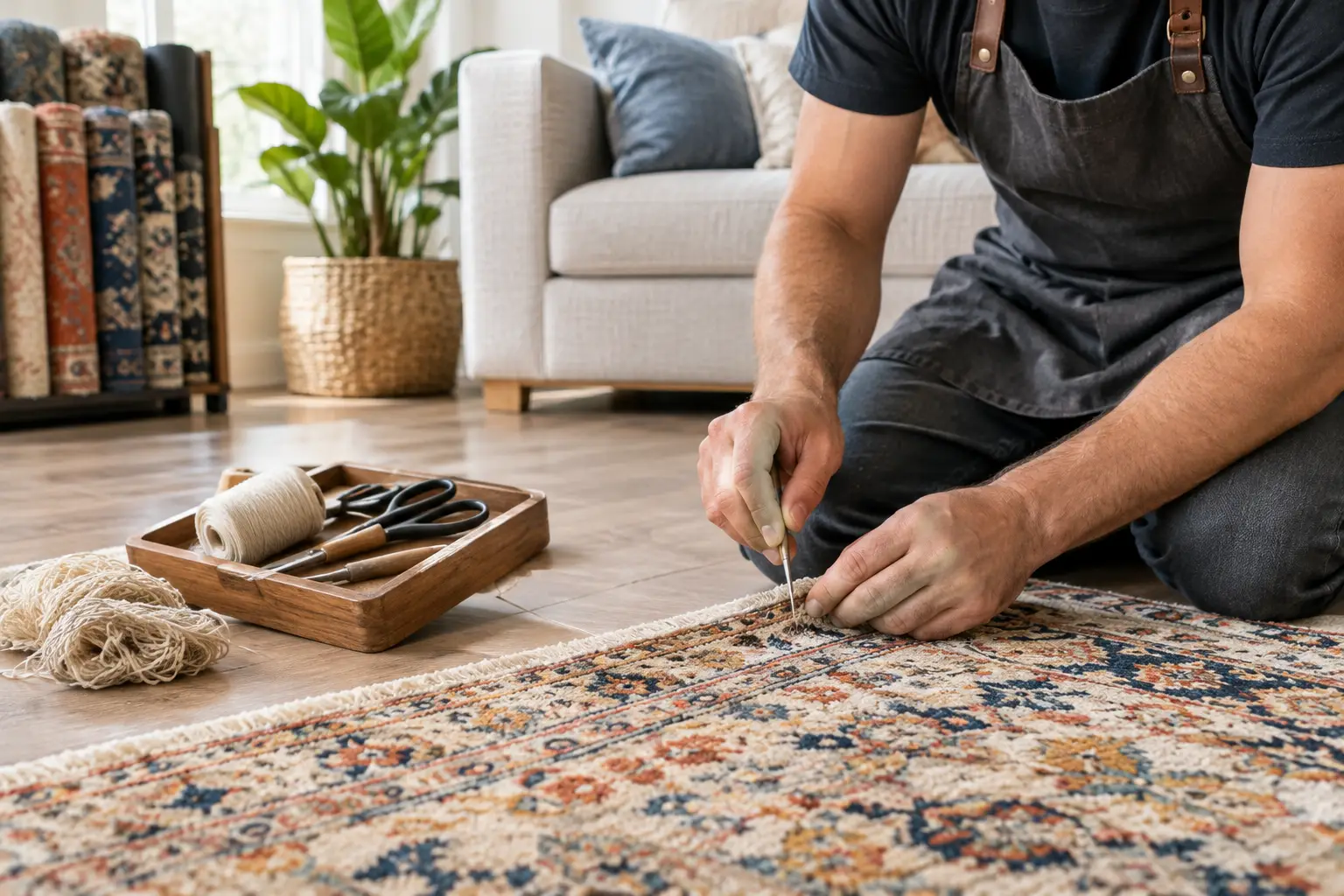
Use this Kennesaw rug repair guide to spot damage early, choose the right restoration, and protect the color, texture, and comfort of your favorite rug.
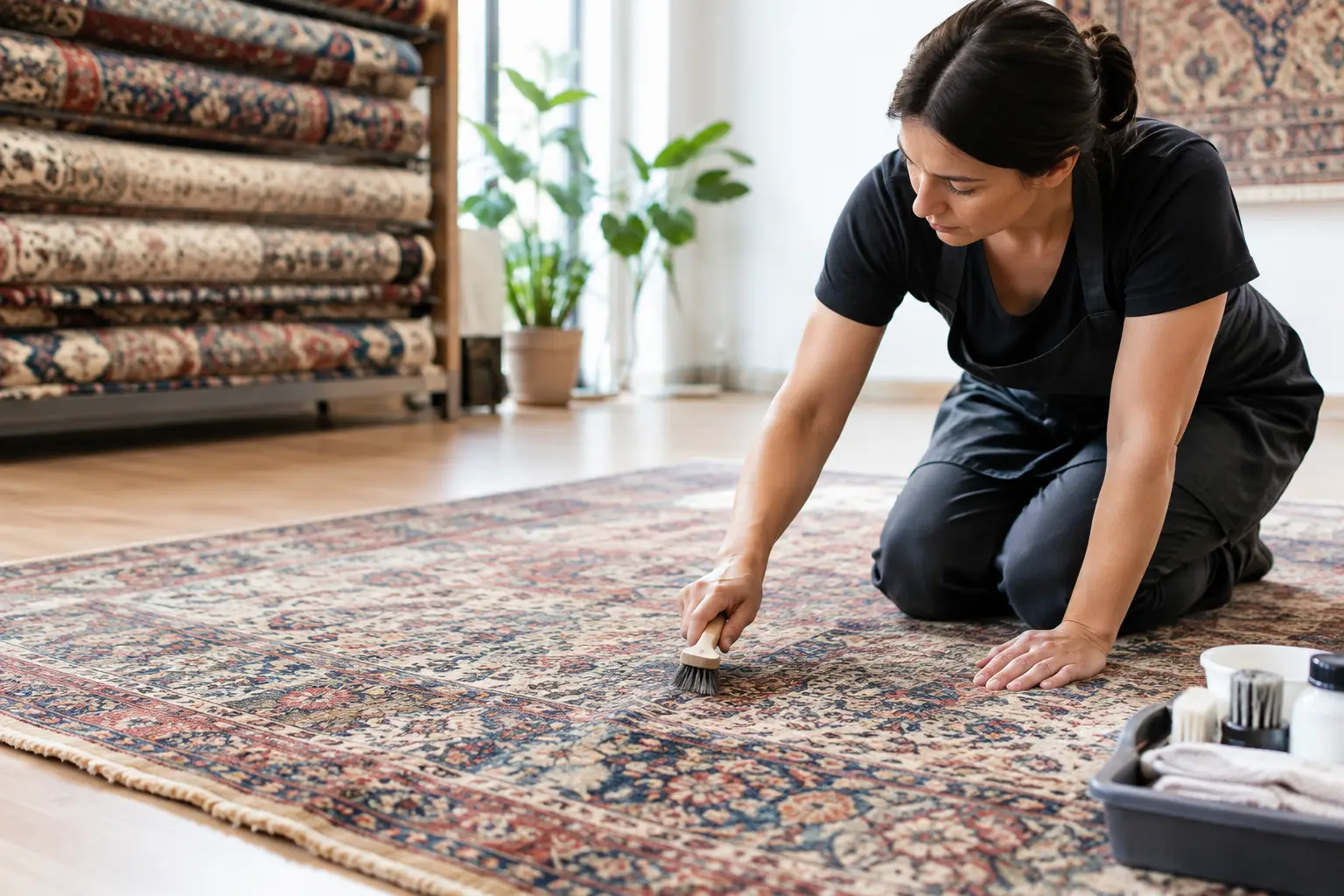
Marietta rug restoration can preserve color, texture, and history. Learn when repair makes sense and how thoughtful care protects a cherished rug at home.
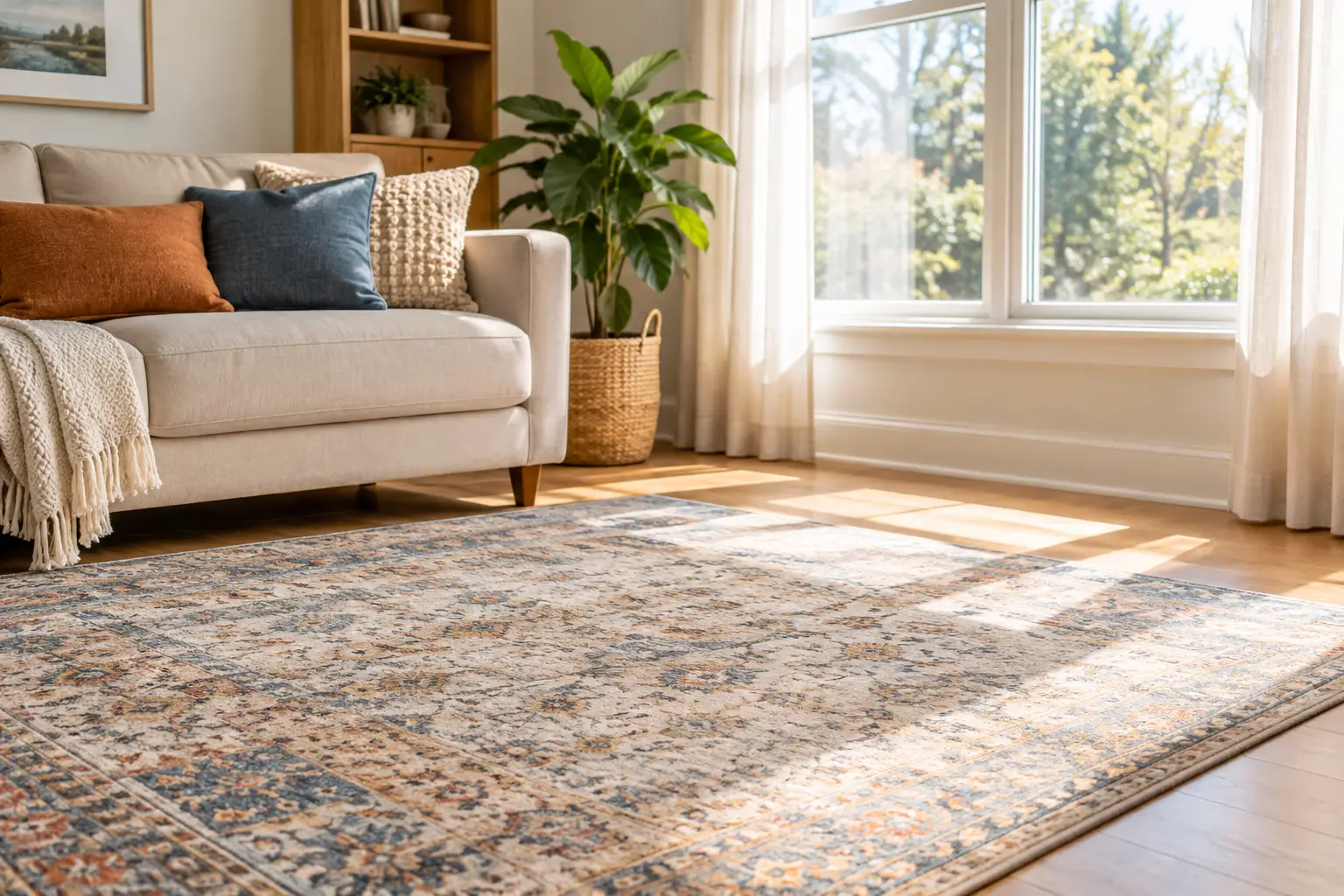
Learn how to protect rugs from sun fading with thoughtful window treatments, rotation, cleaning, and placement tips that preserve color and comfort daily.
From cozy area rugs to statement-making wall décor, our curated categories make it easy to explore what speaks to your space. Whether you’re refreshing a single corner or reimagining your whole home, start here and discover pieces that bring it all together.