
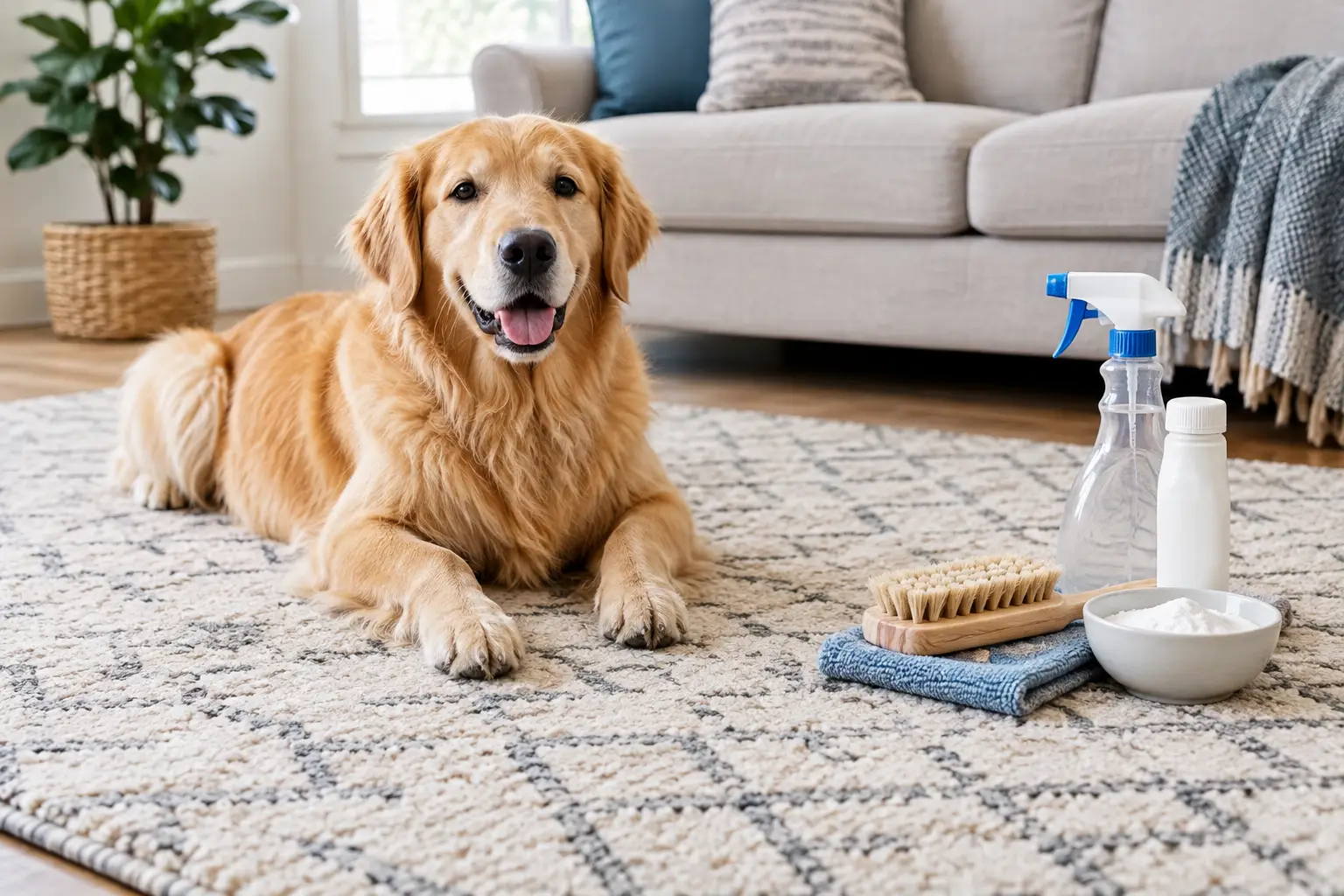
How to Remove Pet Odors From Rugs Safely
Learn how to remove pet odors from rugs without harming color or fibers, plus when professional washing is the smarter choice for a fresh home that lasts.
The first rug in your home has the hardest job. It greets guests, catches muddy shoes, softens the landing, and quietly sets the tone for everything that follows. That is why an entryway rug material guide matters more than most homeowners expect. In a space that sees constant movement, the right fiber can mean the difference between a rug that stays polished and one that looks tired far too quickly.
A beautiful entryway rug should feel intentional, but it also has to work. This is one of those areas where style and practicality are not competing priorities – they need each other. The most successful entryways feel effortless because the rug material was chosen with real life in mind.
Before choosing color, pattern, or border detail, focus on performance. Entryways collect grit, moisture, pollen, and everyday debris in a way that living rooms simply do not. If you have children, pets, or frequent guests, that wear multiplies quickly.
Material affects nearly everything: how the rug feels underfoot, how well it resists crushing, how easily it sheds dirt, and how much maintenance it will need over time. Pile height matters too, but fiber is the foundation. A low-profile rug made from the wrong material can still struggle in a busy front hall, while a well-made performance fiber may hold up beautifully.
It also helps to think about your entryway in layers. Is it a formal foyer that is used lightly, or a hardworking family entrance where shoes, backpacks, and wet paws come through daily? Some homes need softness and refinement. Others need resilience first. Most need a thoughtful balance of both.
Wool remains one of the most versatile materials for an entryway, especially if you want the space to feel elevated without becoming precious. It has a naturally resilient structure, which means the fibers bounce back well after foot traffic. Wool also tends to disguise soil better than many homeowners realize, especially in a pattern or heathered tone.
The trade-off is maintenance. Wool can shed, particularly when new, and it does best when cared for consistently. In a heavily used entry, that may mean more routine attention than some households want. Still, for homeowners drawn to quiet luxury and a more tailored interior, wool often delivers the right blend of beauty and durability.
If your main concern is practicality, polypropylene is often a smart choice. This synthetic fiber is known for handling moisture, dirt, and frequent use with less fuss than many natural materials. It is especially useful in family homes where the entryway is truly a working zone rather than a decorative pause.
Polypropylene rugs are often easy to maintain and hold color well, which makes them appealing if your front door brings in a lot of sunlight. The feel is not always as rich as wool, and some styles can read more casual depending on the weave. That said, many newer designs offer a much more refined look than people expect.
Nylon is another strong option when durability is the priority. It resists wear well and can be an excellent fit for entryways that see constant traffic. If you want a rug that can manage busy routines without looking flattened too quickly, nylon deserves a closer look.
Its biggest advantage is resilience. The fiber tends to recover well from compression, which is useful near a front door where feet tend to land in the same spot. Depending on construction, nylon can also feel softer than some homeowners expect. The aesthetic range varies, so it helps to see options in person if you want the rug to feel coordinated with the rest of your home rather than purely functional.
Natural plant fibers such as jute and sisal bring beautiful texture to an entryway. They can make a foyer feel grounded, collected, and effortlessly styled. In the right home, that organic character is exactly what gives the space warmth.
But this is also where honesty matters. These materials are not ideal for every entry. They do not love moisture, and they can be harder to clean if dirt gets embedded in the weave. Sisal generally has a firmer, more structured feel, while jute tends to feel softer but can wear differently. If your front door regularly sees damp shoes or messy traffic, these materials may require more compromise than you want.
Cotton rugs can feel inviting and relaxed, and they are often appealing for smaller entry spaces where you want something easy to refresh visually. They can work in low-traffic foyers or layered spaces where the goal is softness and charm.
In a truly busy entryway, though, cotton usually does not offer the long-term resilience most homeowners need. It can absorb moisture, show wear, and shift more easily underfoot depending on the construction. Cotton tends to be better for lighter use than for a front hall that takes the brunt of daily coming and going.
The best entryway rug material guide does not end with a ranked list, because the right answer depends on how your home functions. A formal entry in a quiet household can support more decorative choices. A family drop zone near the garage needs a very different standard.
Start with traffic. If the space is used constantly, choose a fiber known for resilience, such as wool, nylon, or polypropylene. Then think about moisture. Homes with pets, children, or rainy-day foot traffic often benefit from materials that are less absorbent and easier to maintain.
Next, consider the mood you want to create. If your home leans tailored and timeless, wool usually supports that look beautifully. If your style is relaxed and textural, jute or sisal may be appealing, provided the space stays relatively dry. If ease is your top priority, a well-designed synthetic can give you the polished appearance you want with fewer demands.
Pattern also plays a role. An entryway rug in a subtle pattern or tonal mix often hides everyday debris better than a solid light color, regardless of material. This is one of the simplest ways to keep the space looking composed between cleanings.
Fiber matters, but so does how the rug is made. A low-pile or flatweave construction is usually the most practical choice for an entryway. It keeps the rug easier to clean, helps doors clear properly, and reduces the chance of edges curling or bunching.
This is especially important in narrower foyers or front halls where the rug needs to stay crisp and functional. Even a durable material can become frustrating if the pile is too thick for the space. In most entryways, a flatter profile simply performs better.
Backing and rug pads matter as well. A good pad can improve stability, protect the floor, and help the rug wear more evenly over time. It is a small detail that makes a noticeable difference in how finished the space feels.
It is easy to fall for a rug based on color or pattern alone, especially in an entry where first impressions matter. But a rug that photographs beautifully may not live beautifully. That is one reason seeing materials in person can be so valuable. Texture, weight, softness, and structure all read differently when you can actually compare them.
For many homeowners in Canton, Woodstock, Acworth, and Kennesaw, the right rug becomes clearer once they can feel the difference between fibers and imagine how each one would behave at their own front door. A refined entryway is not just about choosing something attractive. It is about choosing something that keeps its presence after weeks of real use.
Every rug benefits from regular care, but the right material makes that care more manageable. Entryway rugs should be vacuumed consistently, rotated when appropriate, and addressed quickly if moisture or tracked-in debris builds up. Dirt is abrasive, and in a high-traffic spot, small particles can wear fibers down faster than most people realize.
This is another reason material deserves careful thought at the beginning. Choosing a rug that suits your household means your maintenance routine feels realistic, not aspirational. The goal is not to baby the rug. The goal is to enjoy it.
A well-chosen entryway rug does more than protect the floor. It sets a gracious tone, adds comfort where the day begins and ends, and makes the home feel considered from the very first step inside. When material, construction, and lifestyle all align, the result feels easy – and that is often the mark of a room that was chosen well.
Learn how to remove pet odors from rugs without harming color or fibers, plus when professional washing is the smarter choice for a fresh home that lasts.
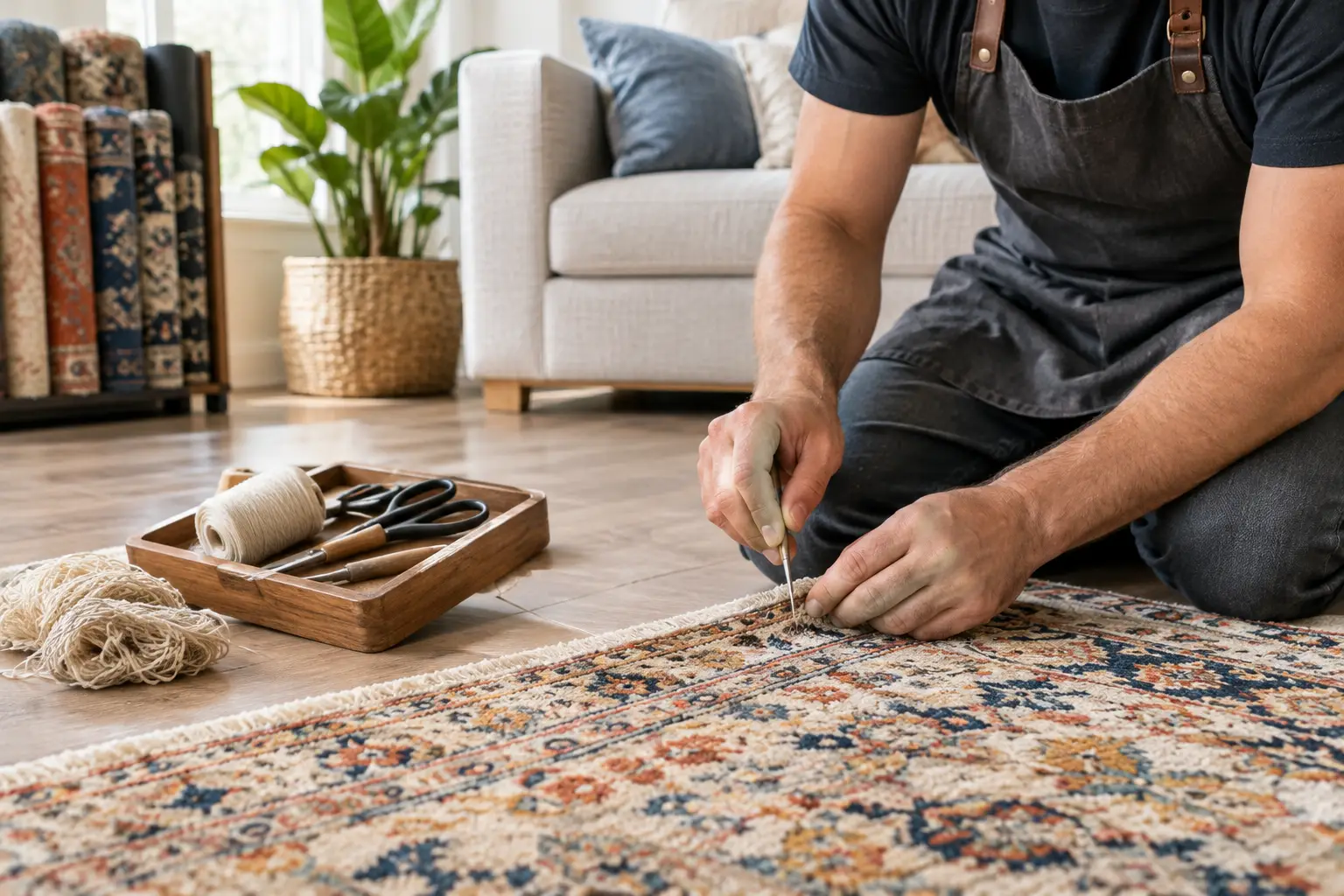
Use this Kennesaw rug repair guide to spot damage early, choose the right restoration, and protect the color, texture, and comfort of your favorite rug.
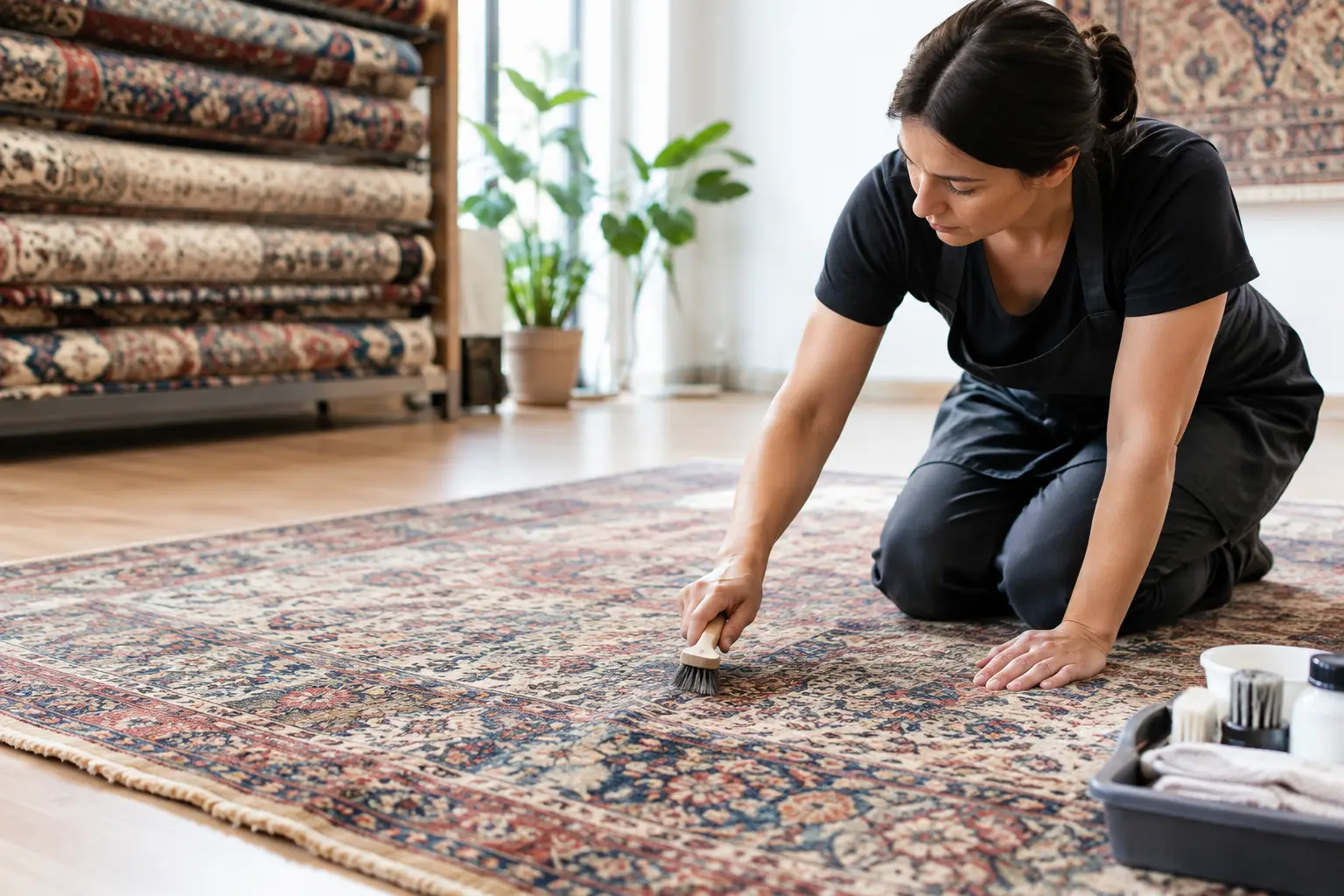
Marietta rug restoration can preserve color, texture, and history. Learn when repair makes sense and how thoughtful care protects a cherished rug at home.
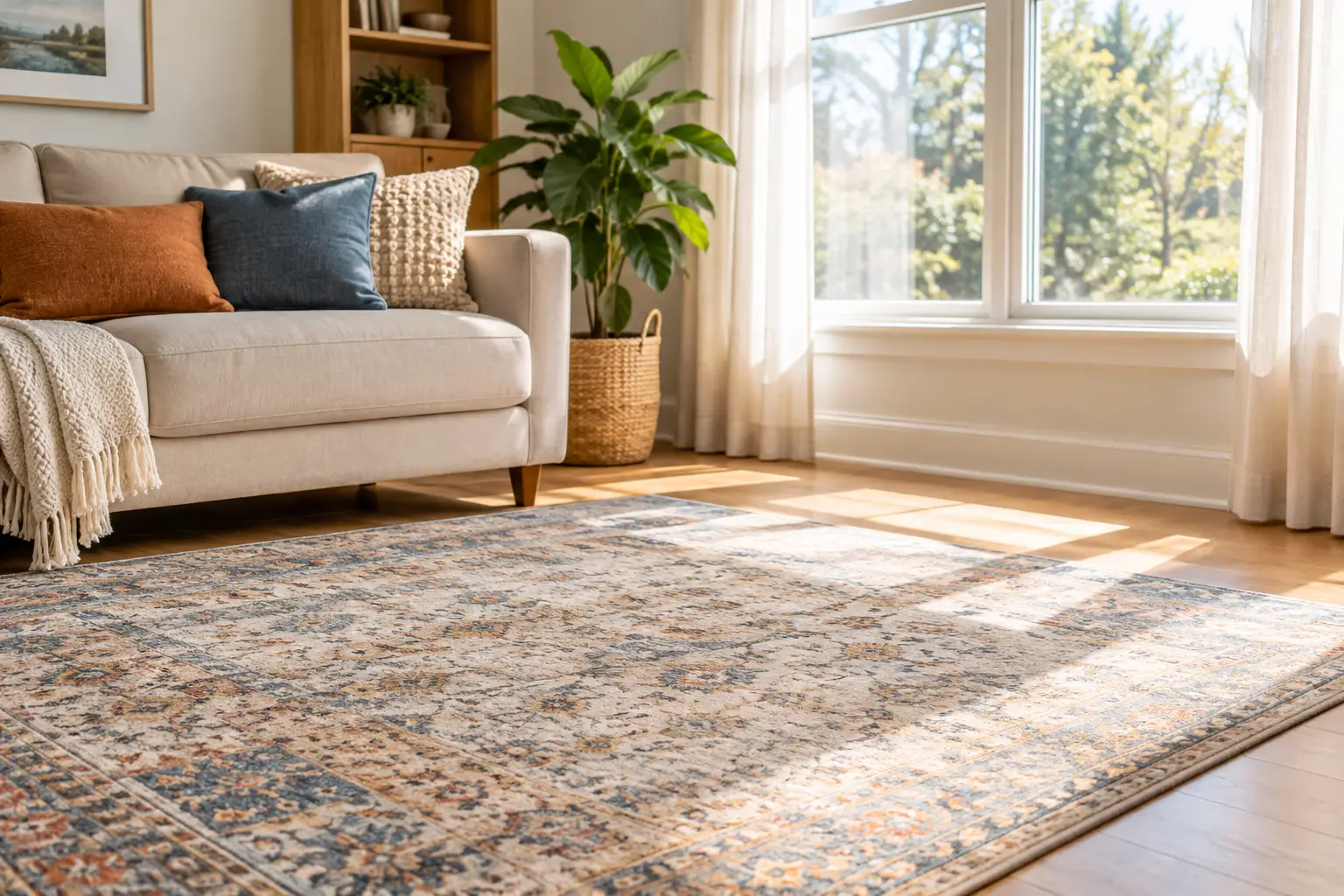
Learn how to protect rugs from sun fading with thoughtful window treatments, rotation, cleaning, and placement tips that preserve color and comfort daily.
From cozy area rugs to statement-making wall décor, our curated categories make it easy to explore what speaks to your space. Whether you’re refreshing a single corner or reimagining your whole home, start here and discover pieces that bring it all together.