


How to Remove Pet Odors From Rugs Safely
Learn how to remove pet odors from rugs without harming color or fibers, plus when professional washing is the smarter choice for a fresh home that lasts.
A hallway runner has a way of changing the entire feel of a home. One piece can make a narrow pass-through feel finished, soften noise underfoot, and add that quiet layer of warmth that makes a space feel intentionally styled rather than simply used. If you are wondering how to choose hallway runners, the answer starts with more than color or pattern. The best choice is the one that fits your layout, supports daily traffic, and feels natural with the rest of your home.
Hallways are often overlooked because they are transitional spaces, but that is exactly why they deserve thoughtful attention. They connect rooms, carry foot traffic all day, and often set the tone for what guests notice first. A well-chosen runner brings comfort and polish to a part of the home that works hard.
The first decision is size, and in a hallway, proportion matters more than most people expect. A runner that is too narrow can look skimpy and disconnected from the space. One that is too wide can crowd the walls and make the hallway feel tighter.
In most homes, you want to leave a visible border of flooring on both sides of the runner. That frame helps the rug feel tailored to the hallway rather than wall-to-wall by accident. A good rule is to leave a few inches of exposed floor on each side, though the exact amount depends on the width of the hall. In a very narrow hallway, even a slim border can still look balanced.
Length matters just as much. A runner should usually follow the main stretch of the hallway without running into trim, doorways, or stairs in a way that feels abrupt. Some homeowners assume longer is always better, but that depends on the architecture. If several doorways break up the hall, a slightly shorter runner may look cleaner. In a long, uninterrupted corridor, a more substantial length often creates the elegant, grounded look people are after.
Before choosing anything, measure carefully and note where doors swing. This is one of those practical details that can save frustration later. A beautiful runner that catches under a door never feels luxurious for long.
Hallway runners see daily wear, especially in busy households with kids, pets, or frequent guests. That means material and construction deserve as much attention as pattern.
Low-pile runners are often the most practical choice for hallways because they are easier to walk on, easier to maintain, and less likely to create a bulky feel in a tight space. They also tend to hold up well in high-traffic areas. If you love the softness of a plusher rug, it can still work, but it depends on the hallway. In a formal upstairs corridor with lighter use, you have more flexibility. In a main passage near the entry, kitchen, or family areas, durability usually needs to lead.
Fiber choice also shapes the experience. Wool has long been a favorite for good reason. It offers softness, resilience, and a refined look that suits both classic and updated interiors. Synthetic fibers can be a smart option when easy care is a priority, especially in homes where spills, muddy shoes, or heavy traffic are part of everyday life. Natural fibers can bring beautiful texture, though some are better suited to lower-moisture, lower-mess areas.
This is where in-person shopping can make such a difference. Seeing a runner online may tell you the color story, but it rarely gives a true sense of texture, density, or how the material will feel underfoot in a space you use every day.
A hallway runner does more than decorate the floor. It influences how the space reads visually. Pattern scale, color contrast, and motif all affect whether a hallway feels calm, busy, elongated, or more enclosed.
If your hallway is narrow or dark, a lighter runner can open it up and help it feel more airy. Soft neutrals, warm ivories, muted blues, and understated grays often create a fresh, effortlessly styled look without demanding too much attention. If the hall already has strong wall color, bold art, or architectural detail, a quieter rug may be the more polished choice.
Pattern is often where homeowners hesitate. They want interest, but they worry about overwhelming a small space. In practice, a hallway can handle more pattern than people think because the runner is long and linear. Repeating motifs, subtle vintage-inspired designs, and organic patterns often work beautifully. They add movement and softness while still feeling timeless.
The trade-off is maintenance visibility. Very light solid rugs can show dirt faster. Very dark solids can show lint and dust. Patterned runners tend to be more forgiving, which is one reason they remain such a smart choice in active homes.
If you are selecting a runner for a hallway that connects to several visible rooms, think about the rug as part of a larger composition. It does not need to match everything exactly, but it should feel connected. Pulling a tone from nearby upholstery, art, or accent pillows can make the home feel cohesive in a subtle, deeply personal way.
Not every hallway should say the same thing. Some are best when they feel quiet and understated. Others are the perfect place for a little personality.
A traditional home may benefit from a runner with classic detailing, soft medallion motifs, or gently aged color variation. A more modern interior might call for cleaner lines, tonal pattern, or a textural weave that keeps the look sleek but warm. If your style leans collected and layered, a runner with character and a slightly lived-in finish can make the space feel more welcoming.
One of the easiest mistakes is choosing a hallway runner as if it exists on its own. In reality, it should support the mood of the surrounding spaces. If your home already has a calm, curated palette, the hallway is usually strongest when it continues that rhythm. If the rest of the home is fairly restrained, the hall can be a lovely place to introduce a bit more visual interest.
A hallway runner should feel secure every time someone walks across it. That means a rug pad is not optional. The right pad helps prevent shifting, adds a layer of cushioning, and supports the life of the rug over time.
This matters even more in high-traffic family homes. A runner that slides, bunches, or creeps out of place quickly becomes frustrating. The polished look comes from a rug that stays exactly where it belongs.
It is also worth thinking about maintenance before you buy. Hallways collect a surprising amount of dust and debris because they connect so many areas of the home. Some materials and patterns are simply easier to live with than others. That does not mean you need to choose the most practical option at the expense of style. It means the best runner is one that still feels beautiful after real life happens.
Photos can narrow your options, but they rarely settle the decision. The most confident choices usually come from comparing runners in person, where you can see undertones clearly, feel the pile, and judge scale with a more trained eye. What looks creamy online may read yellow in your hallway. What seems richly patterned in a product image may feel flat once you see it up close.
That is especially true if you are trying to coordinate a hallway runner with nearby rugs, lighting, wall color, or wood flooring. Small differences in tone can completely change the outcome. A showroom setting gives you the chance to compare those details thoughtfully and choose something that feels elevated rather than almost right.
For many homeowners, this is also where expert guidance becomes valuable. A hallway runner is a functional purchase, but it is also a design decision. The right one should soften the architecture, support the way you live, and make the home feel more complete.
At Home Rug Gallery, we often see homeowners relax once they realize they do not have to choose between practicality and beauty. A runner can be durable, comfortable, and effortlessly stylish all at once when the proportions, materials, and design are working together.
The most successful hallway runners are not picked in a rush. They are chosen with the home in mind – the light, the traffic, the mood, and the way each room connects to the next. When you get that balance right, the hallway stops feeling like leftover space and starts feeling like part of the story your home is telling.
Learn how to remove pet odors from rugs without harming color or fibers, plus when professional washing is the smarter choice for a fresh home that lasts.
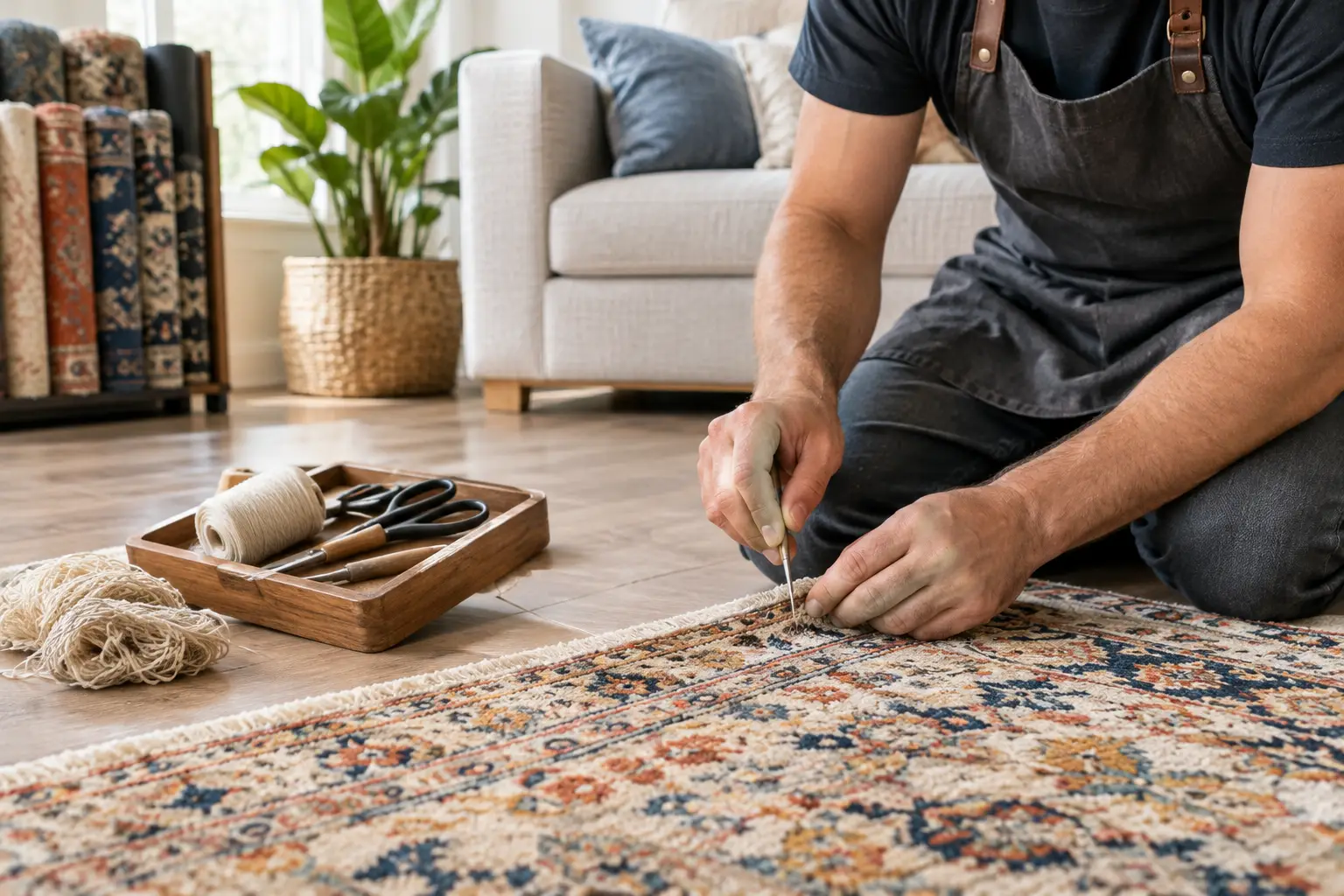
Use this Kennesaw rug repair guide to spot damage early, choose the right restoration, and protect the color, texture, and comfort of your favorite rug.
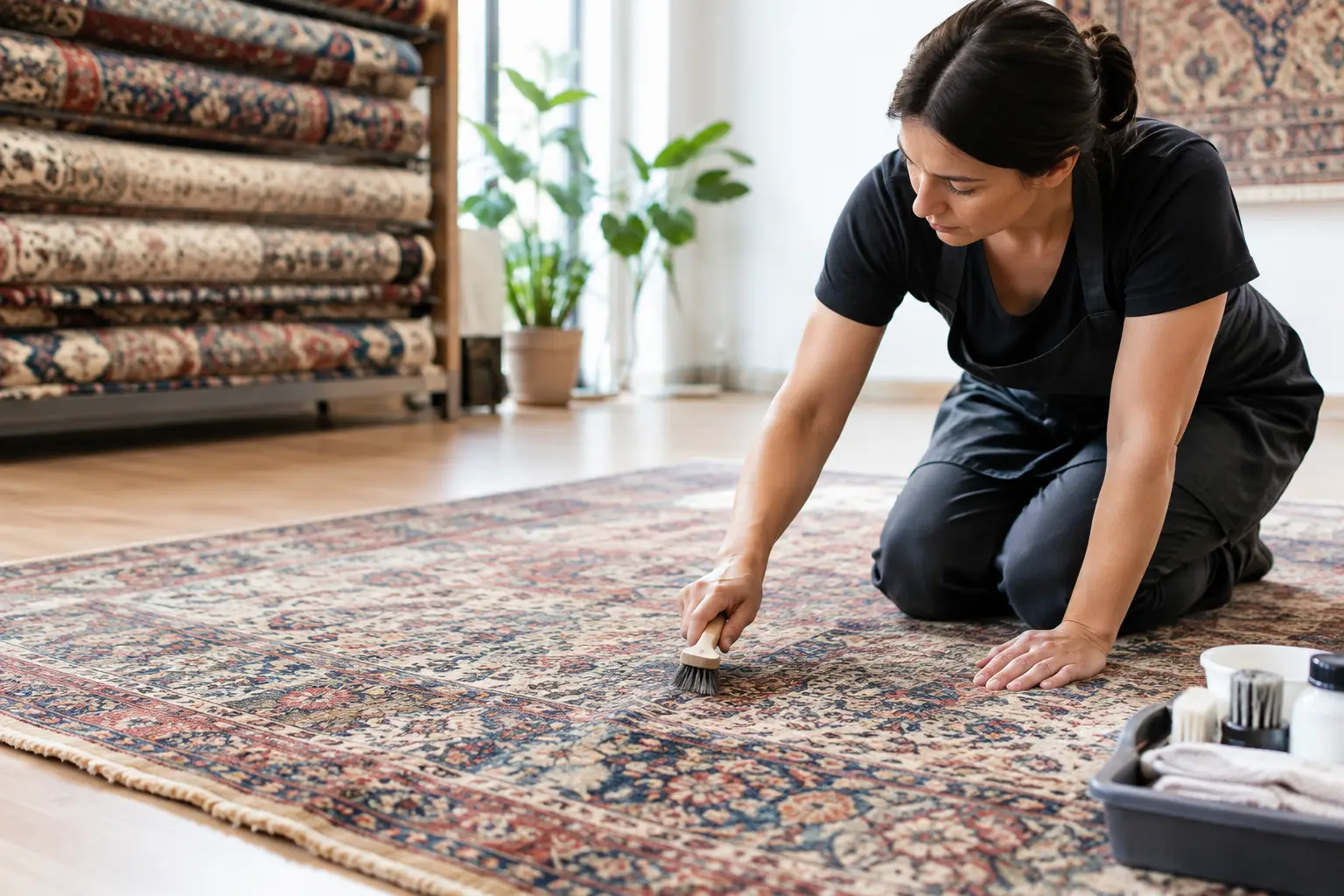
Marietta rug restoration can preserve color, texture, and history. Learn when repair makes sense and how thoughtful care protects a cherished rug at home.
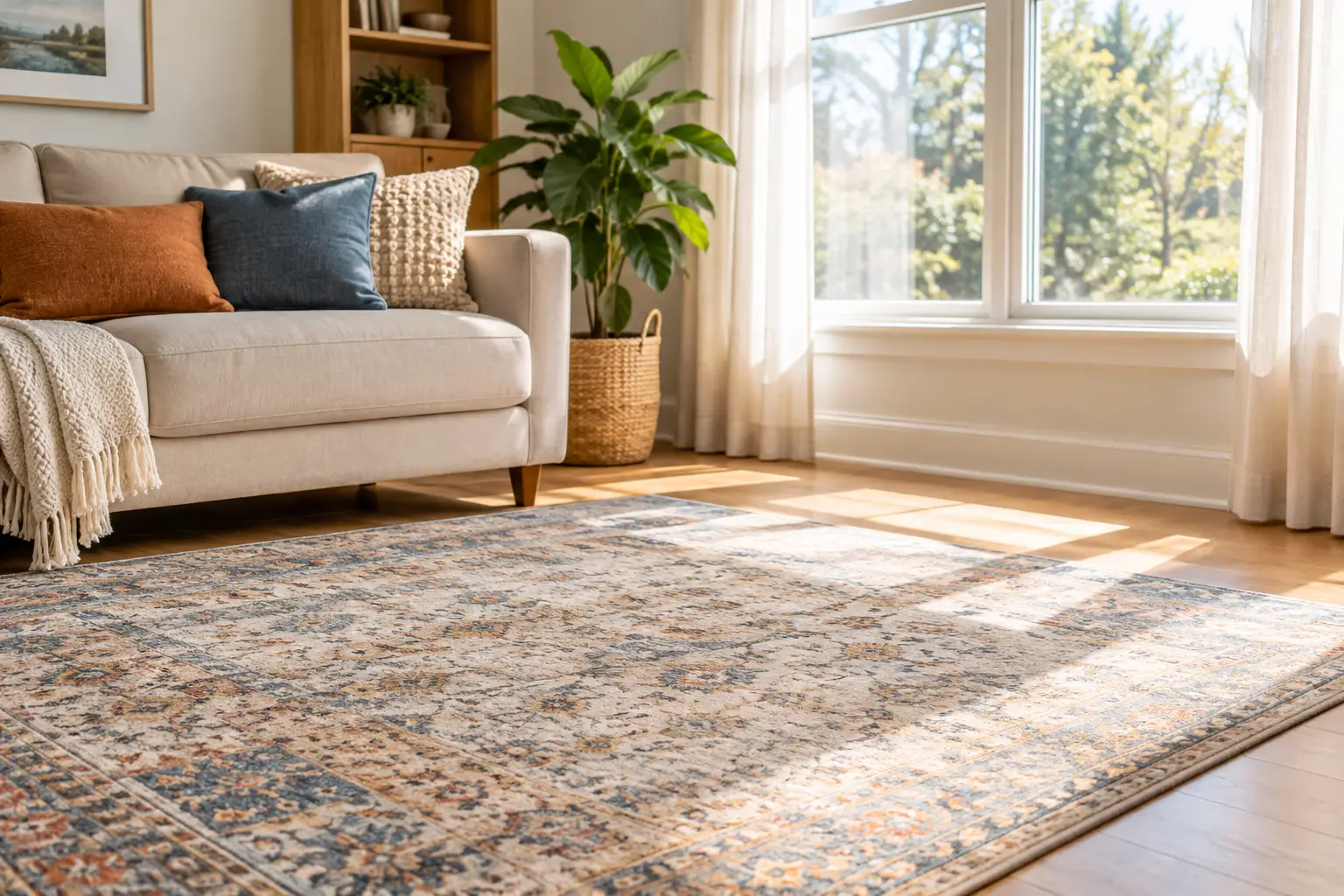
Learn how to protect rugs from sun fading with thoughtful window treatments, rotation, cleaning, and placement tips that preserve color and comfort daily.
From cozy area rugs to statement-making wall décor, our curated categories make it easy to explore what speaks to your space. Whether you’re refreshing a single corner or reimagining your whole home, start here and discover pieces that bring it all together.