


How to Remove Pet Odors From Rugs Safely
Learn how to remove pet odors from rugs without harming color or fibers, plus when professional washing is the smarter choice for a fresh home that lasts.
A rug can hold a room together so effortlessly that you hardly notice it until the color starts to fall flat. Reds look dusty, blues turn gray, and the pattern that once gave the space its character suddenly feels tired. If you are wondering how to restore faded rugs, the answer depends on why the fading happened in the first place – and whether the loss is sitting on the surface or deep in the fibers.
Some rugs simply need careful cleaning to reveal the color that is still there. Others have true dye loss from sunlight, age, harsh cleaners, or wear. Knowing the difference matters, because the right approach can refresh a rug beautifully, while the wrong one can leave it looking even more uneven.
Fading is not one single problem. In many homes, the first culprit is sun exposure. Natural light is lovely in a room, but over time it can bleach dyes, especially in spaces with large windows or bright afternoon light. You may notice one side of the rug looks noticeably lighter than the other, or a furniture outline appears where the protected area kept more of its original richness.
Soil buildup can also mimic fading. Fine dust, pet dander, and residue from everyday traffic settle into the pile and create a dull cast over the color. In that case, the rug is not truly faded – it is simply masked. This is why a rug can look washed out in place, then noticeably richer after proper cleaning.
Harsh spot treatments are another common reason for color loss. Bleach-based cleaners, strong stain removers, or over-the-counter products used without testing can strip dyes or create pale spots. Age plays a role as well, especially with heirloom or handwoven rugs that have been loved for years and exposed to light, friction, and repeated cleanings.
Before you try to fix the color, take a close look at the rug in natural daylight. If the entire surface looks dingy but the pattern still appears intact, cleaning may be the first and best step. If you see clear lightened areas, uneven patches, or sections where the original tone is obviously gone, restoration may be needed.
A simple clue is to fold back a corner or look beneath furniture. If the covered section looks much deeper and more saturated, that is usually true fading. If the difference is slight and the rug just looks dull overall, embedded soil may be the bigger issue.
This distinction is where many homeowners go wrong. They assume a faded rug needs a quick color fix, when what it really needs is a safe, fiber-appropriate wash. Or they keep cleaning a rug that has already lost dye, hoping the color will somehow come back on its own. It will not. Once dye is gone, only skilled color correction or restoration can address it.
When the rug appears dull rather than truly bleached, start gently. Vacuum thoroughly with the beater bar off if the rug is delicate, wool, hand-knotted, or has a higher-value weave. Removing dry soil is the first step toward seeing what condition the color is really in.
If the rug is suitable for light surface cleaning, use the mildest approach possible. A soft cloth, cool water, and a small amount of fiber-safe cleaner can help lift residue from a tested area. Always test in an inconspicuous spot first, and avoid soaking the rug. Too much moisture can cause dye movement, odor, or damage to the foundation.
It is tempting to reach for brightening products, vinegar recipes, or stronger stain treatments from the internet. This is where restraint pays off. Different fibers and dyes react differently, and what seems harmless on a synthetic accent rug may be far too aggressive for wool, silk, or a handmade piece. If the rug has sentimental value, visible pattern detail, or signs of age, home experimentation is rarely worth the risk.
True restoration is more specialized than cleaning. If your rug has uneven sun fading, bleach spots, muted borders, or areas where one color family has noticeably disappeared, a professional evaluation is the best next step. In many cases, the goal is not to make the rug look brand new. It is to restore balance, depth, and beauty so the rug feels intentional in the room again.
Professional rug restoration may involve careful color work, but that process depends on the rug’s construction, fiber, age, and dye type. Hand-knotted wool rugs, antique pieces, and rugs with detailed motifs require a measured approach. Re-dyeing is not a blanket treatment. It is often targeted, nuanced work designed to blend faded areas with the remaining original palette.
This is one reason restoration is not a good DIY project. Matching aged color is part technical skill and part trained visual judgment. A rug that is restored well should not look freshly painted or artificially bright. It should look cohesive, softly revived, and true to its character.
One detail homeowners do not always expect is that a rug may need to be professionally cleaned before anyone can judge the real extent of fading. Soil, residue, and oxidized buildup can distort the surface color. Once the rug is properly washed and dried, it becomes much easier to see what is dirt and what is permanent dye loss.
That order matters. Good restoration decisions start with a clean, stable foundation.
Once you have put care into refreshing a rug, keeping that color protected becomes part of preserving the whole room. The most effective step is managing direct sunlight. That may mean rotating the rug every several months, using window treatments during the brightest part of the day, or repositioning the rug slightly if one edge gets hit harder than the rest.
Regular maintenance also helps more than people think. Routine vacuuming keeps abrasive soil from grinding into the fibers and making the surface look tired. Prompt blotting of spills reduces the need for aggressive spot cleaning later. Periodic professional cleaning can remove the dulling layer that often makes color seem flatter than it is.
Pads matter too. A quality rug pad reduces movement and friction, which helps protect the pile from premature wear. In high-traffic spaces like family rooms, hallways, and open-plan living areas, that extra support can make a visible difference over time.
The best rug care is not always about making something look new. In a thoughtfully styled home, age and softness can be part of the appeal. A vintage rug with a gently mellowed palette may still be exactly right for a room layered in quiet luxury and natural texture. The question is whether the fading feels graceful or whether it makes the rug look worn out and disconnected from the space.
That is the trade-off worth considering. Some rugs benefit from a full restoration plan. Others simply need expert cleaning and a better placement strategy. And some are beautiful because of their softened tones, as long as the wear is even and the structure remains sound.
If you are unsure, seeing the rug through a design lens helps. A rug does not live in isolation. It interacts with upholstery, wood tones, wall color, lighting, and the mood of the room. What feels faded in one setting may feel relaxed and refined in another. What looks subtly aged up close may read flat from across the room.
For homeowners in Canton, Woodstock, Acworth, and Kennesaw, having a trusted local rug specialist matters because color restoration is both a care question and a styling question. At Home Rug Gallery, that balance between beauty and function is part of how rugs are evaluated every day.
A faded rug does not always need to be replaced, and it definitely should not be guessed at. Sometimes the color is still there, waiting to be uncovered. Sometimes it needs a skilled hand to bring it back into harmony. Either way, the right next step can give your room that finished, deeply personal feeling again.
Learn how to remove pet odors from rugs without harming color or fibers, plus when professional washing is the smarter choice for a fresh home that lasts.
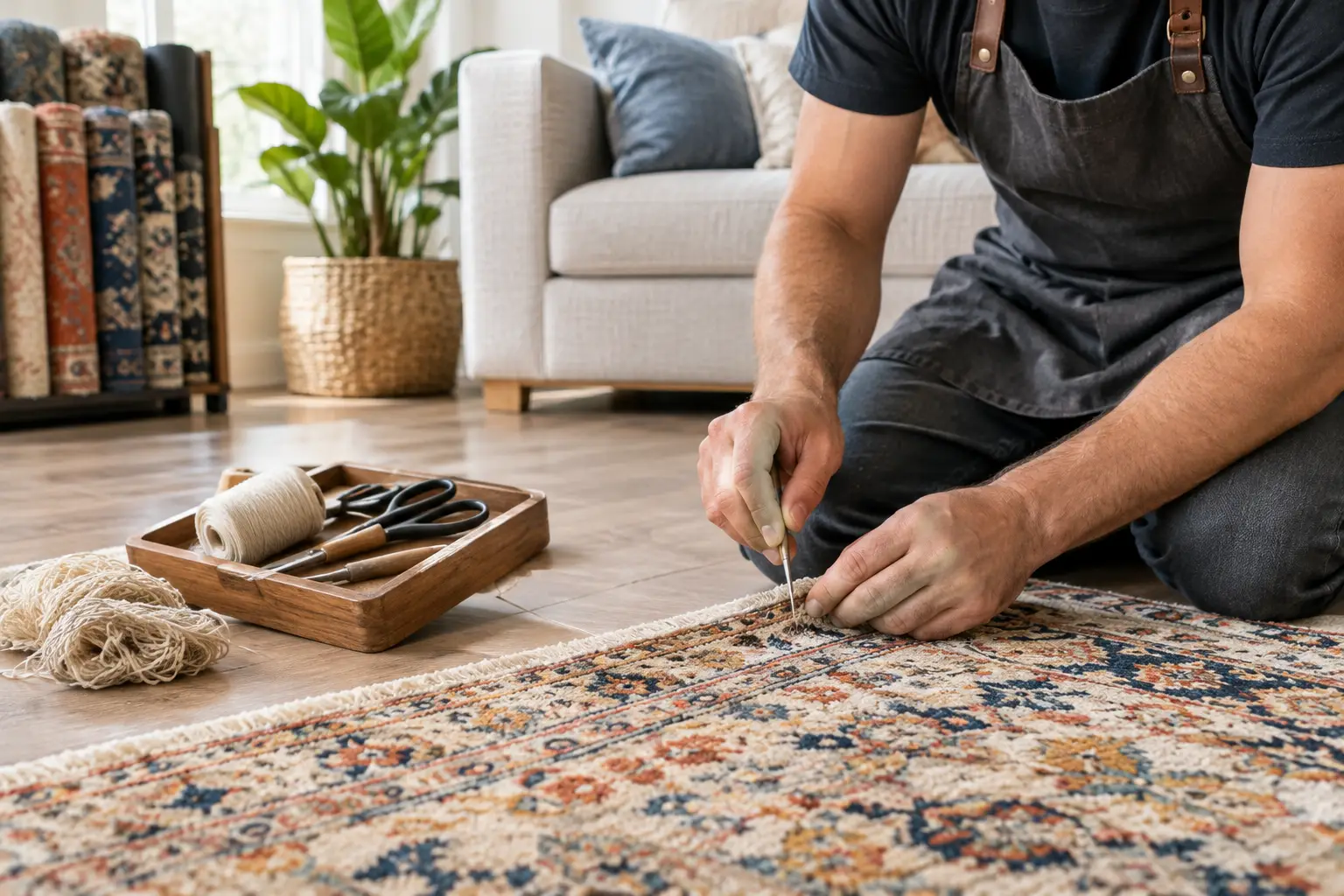
Use this Kennesaw rug repair guide to spot damage early, choose the right restoration, and protect the color, texture, and comfort of your favorite rug.
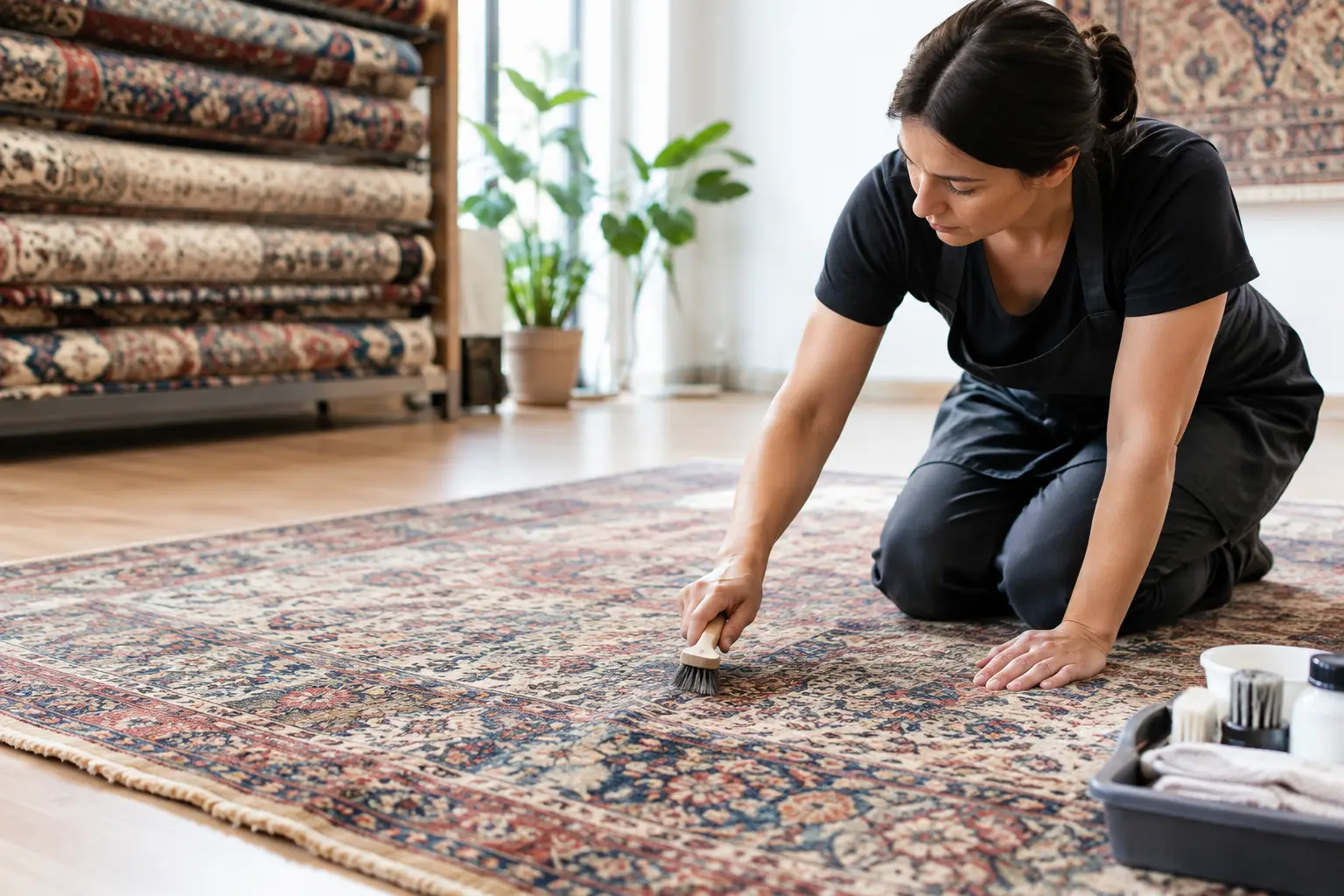
Marietta rug restoration can preserve color, texture, and history. Learn when repair makes sense and how thoughtful care protects a cherished rug at home.
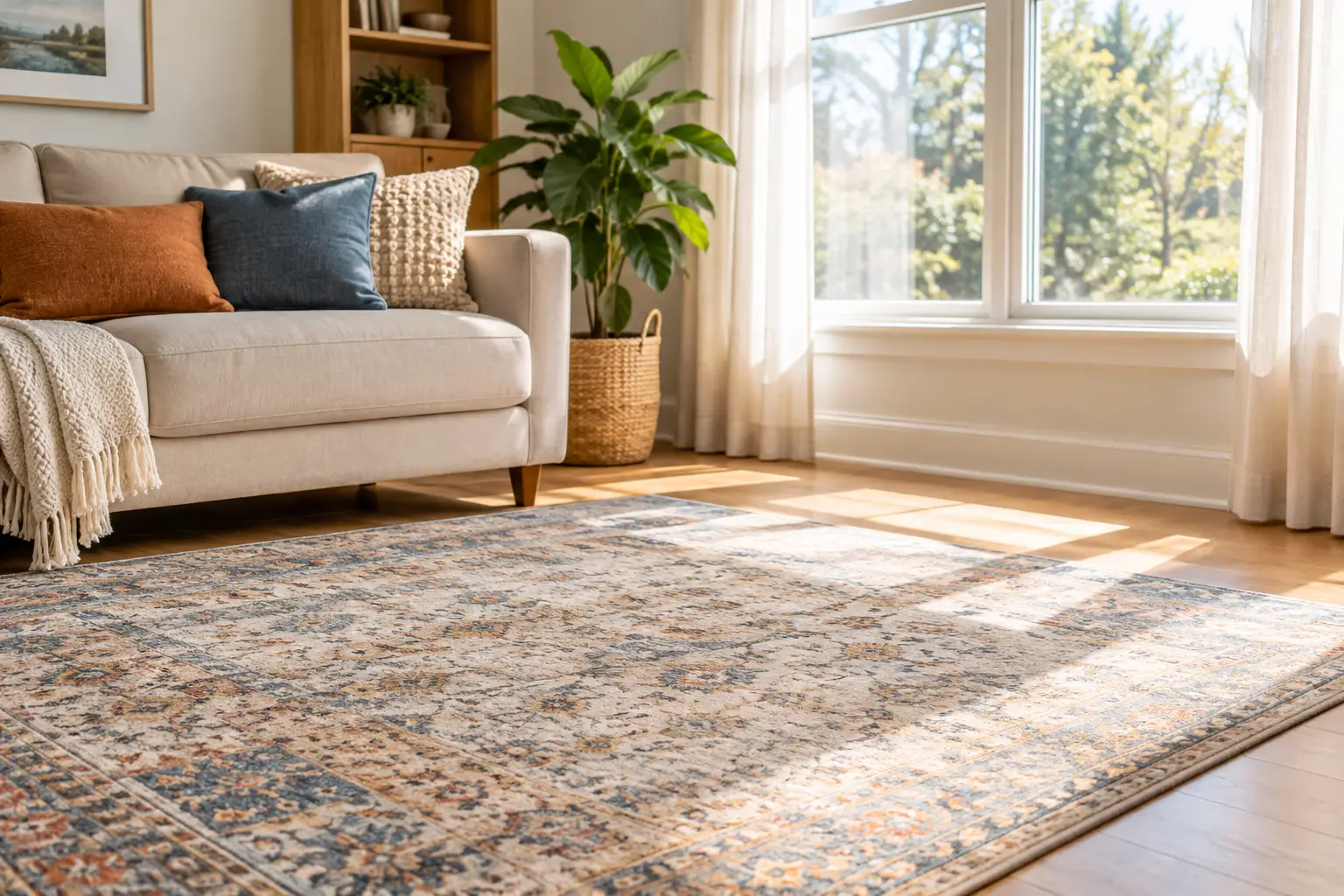
Learn how to protect rugs from sun fading with thoughtful window treatments, rotation, cleaning, and placement tips that preserve color and comfort daily.
From cozy area rugs to statement-making wall décor, our curated categories make it easy to explore what speaks to your space. Whether you’re refreshing a single corner or reimagining your whole home, start here and discover pieces that bring it all together.