


How to Remove Pet Odors From Rugs Safely
Learn how to remove pet odors from rugs without harming color or fibers, plus when professional washing is the smarter choice for a fresh home that lasts.
A pulled fringe, a split seam, a worn patch under the coffee table – rug damage usually starts quietly. Then one day the piece that grounds the whole room looks tired, uneven, or suddenly fragile. A thoughtful rug repair process guide helps you understand what happens next, what can realistically be restored, and how to protect a rug that still has beauty and life left in it.
For many homeowners, a rug is not just floor coverage. It softens a room, ties together color and texture, and often carries a sense of history. That is why repair is rarely only about fixing a flaw. It is about preserving a piece that still belongs in the home.
The most useful way to think about rug repair is not as a single service, but as a sequence. Good repair work starts with understanding the type of rug, the extent of damage, and whether the structure underneath is still sound. A small fringe issue on a hand-knotted wool rug calls for a different approach than edge wear on a flatweave or backing separation on a machine-made piece.
That distinction matters because the right repair protects both appearance and longevity. The wrong repair can make a rug look briefly improved while creating more stress on the weave over time. Cosmetic fixes have their place, but only when they do not compromise the rug itself.
Every proper repair begins with a close evaluation. This is where visible damage is identified, but it is also where less obvious issues often surface. A rug might come in because the fringe is unraveling, yet the real problem may be weakened foundation threads, moth damage, dry rot, or wear concentrated in traffic lanes.
Inspection usually considers the rug’s construction, fiber type, age, color stability, and previous repairs. Hand-knotted and handmade rugs often merit a more delicate, craft-based approach because their character depends on the integrity of the weave. Machine-made rugs may still be very worth repairing, but the methods differ.
This stage is also where expectations are set. Some rugs can be restored so skillfully that the repair blends in beautifully. Others will improve significantly but still show signs of age or use. For many homeowners, that is perfectly acceptable. A room can still feel polished and effortlessly styled even when a well-loved rug carries a little history.
One of the most overlooked parts of the rug repair process guide is the role of cleaning. Dirt trapped in fibers and foundation threads makes accurate repair harder. It can conceal damage, weaken the structure further, and interfere with stitching or reweaving.
Cleaning before repair is often the better path, especially if the rug has pet soil, embedded grit, or overall discoloration. It allows the repair work to be done on a cleaner, more stable surface and gives a clearer picture of the true condition. In some cases, what appears to be severe wear is partly compressed pile or surface buildup. In others, cleaning reveals that the damage is more advanced than it first appeared.
This is one of those moments where it depends. Not every rug should be cleaned first in the exact same way, and certain fragile textiles need a very controlled sequence. Still, inspection and cleaning often work together rather than as separate decisions.
Before the visual repair begins, the damaged area usually needs to be secured. This is especially important with tears, holes, open sides, or worn edges that continue to unravel with ordinary foot traffic. Stabilization keeps the problem from spreading and creates the groundwork for more refined restoration.
For edge damage, this may involve rebuilding or securing the side cords. For fringe problems, it may mean addressing the rug’s end structure rather than simply trimming loose threads. For holes or tears, the repair may include reinforcing the foundation so the rug can hold tension again.
This is why rushed fixes are risky. Trimming, gluing, or patching without stabilizing the surrounding structure can make later restoration more difficult. A rug should not just look neater for the moment. It should be able to return to daily life with greater durability.
Fringe tends to get attention first because it is highly visible, but fringe is not always decorative. On many rugs, it is actually part of the foundation. When fringe is fraying or missing, the concern is not only appearance. It may signal that the rug ends are beginning to weaken.
Repair can range from securing existing fringe to reconstructing lost sections in a way that respects the rug’s style and structure. Sometimes homeowners expect full replacement to be the obvious answer, but preserving original materials where possible can be the better design and conservation decision.
The sides of a rug take regular stress from vacuuming, foot traffic, furniture movement, and routine use. Once edge wear starts, unraveling can move inward quickly. Rebinding or rebuilding the edge helps contain that damage and gives the piece a more finished look again.
This kind of work is especially valuable for rugs used in family rooms, dining areas, and entry spaces where beauty and function have to coexist.
When a rug has an actual hole or a torn section, the repair becomes more specialized. Depending on the rug, restoration may involve reweaving missing areas, rebuilding foundation threads, or securing surrounding knots to prevent loss from spreading.
This is often the point where homeowners wonder if a rug is worth saving. The answer depends on the rug’s quality, its role in the room, sentimental value, and the extent of structural damage. A deeply personal piece does not need to be an antique to deserve careful repair. If it is central to the way a room feels, restoration can make practical and aesthetic sense.
Not every damaged rug needs the same level of intervention. A rug with minor edge wear may only need straightforward stabilization. A handmade rug with localized damage might deserve more detailed restoration because the craftsmanship and design are still strong. A heavily deteriorated piece with broad foundation failure may have limits, even if parts of it remain beautiful.
The question is usually less about perfection and more about use. Will the rug return to a bedroom, study, or sitting area with lighter traffic? Will it continue to anchor a busy family room? Is the goal preservation, improved appearance, or fully active everyday use?
When expectations are clear, the result tends to feel more satisfying. Some repairs aim to make damage far less noticeable. Others aim to stop deterioration and extend life. Both can be worthwhile.
Repair timelines vary with the rug and the method. A simpler edge repair is not the same as detailed reweaving, and handmade work naturally requires patience. Seasonality can matter too, especially when rugs are brought in alongside cleaning or broader home refresh projects.
For homeowners, the practical takeaway is simple: quality repair is not instant. If a rug matters to the room, allowing enough time for inspection, cleaning if needed, and careful workmanship is the better route. Quick turnaround sounds appealing until the result looks obvious or fails under normal use.
Once a rug has been repaired, daily habits matter. A rug pad can reduce friction and help distribute wear more evenly. Rotating the rug periodically can keep one side from aging faster than the other. Vacuuming with care, especially around fringe and edges, also helps preserve the restored areas.
It is smart to pay attention to the room itself. Direct sun can fade color over time, and repeated pressure from heavy furniture can stress the same section of the weave. In homes with children, pets, or frequent entertaining, preventive care is not about being precious. It is simply how beautiful pieces stay livable.
A well-repaired rug should feel at home in the space again. That means the work supports the structure, respects the design, and suits the way the rug is actually used. For design-conscious homeowners, this matters because a rug is never isolated. It works with upholstery, lighting, wood tones, and the rhythm of the room.
At Home Rug Gallery, that broader perspective is part of what makes rug care feel more personal than transactional. Repair is not just about damage. It is about helping a home keep the layers that make it feel finished, comfortable, and deeply personal.
If your rug has started to show wear, the best next step is not guessing whether it is beyond help. It is letting someone assess what is structural, what is cosmetic, and what can still be beautifully preserved.
Learn how to remove pet odors from rugs without harming color or fibers, plus when professional washing is the smarter choice for a fresh home that lasts.
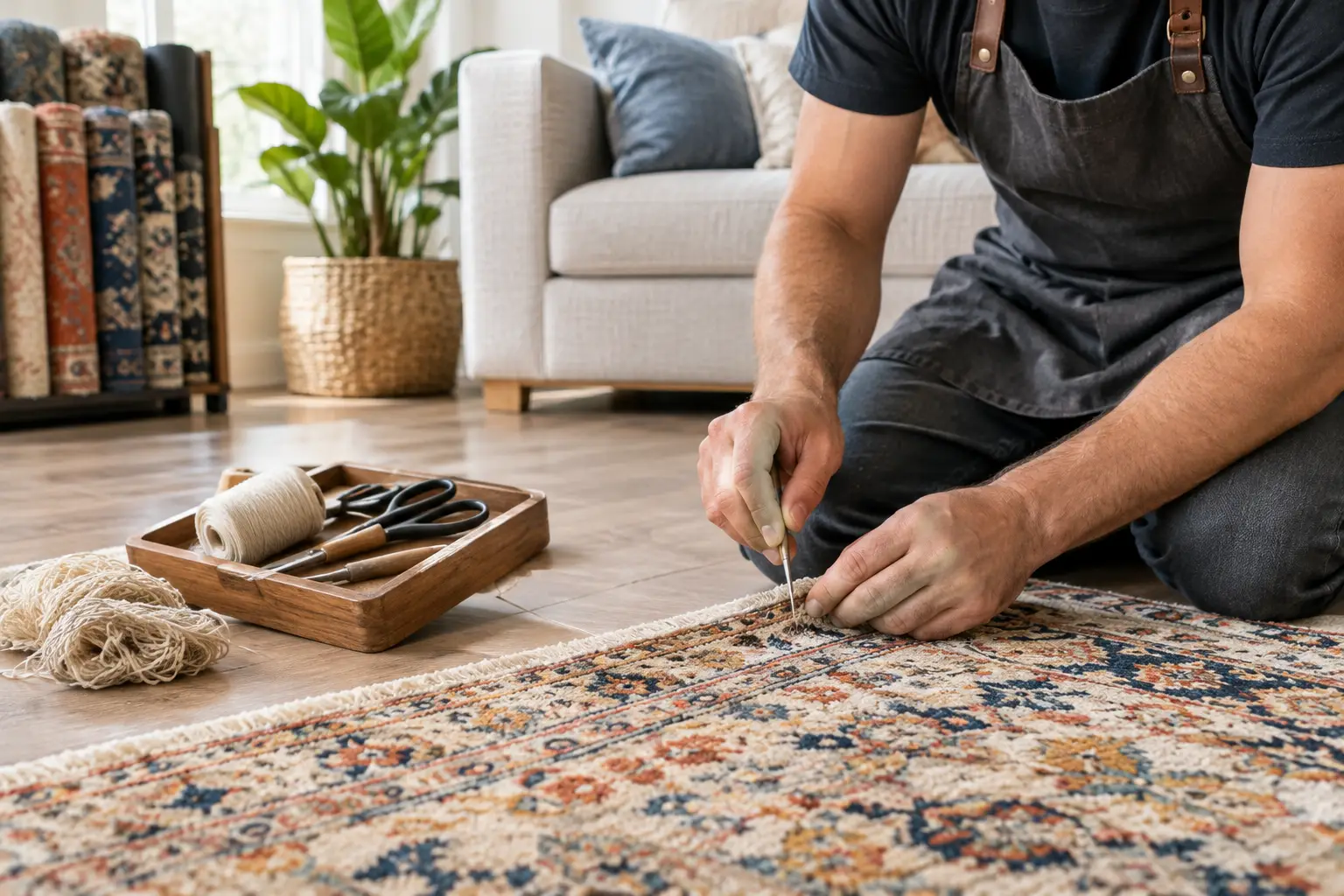
Use this Kennesaw rug repair guide to spot damage early, choose the right restoration, and protect the color, texture, and comfort of your favorite rug.
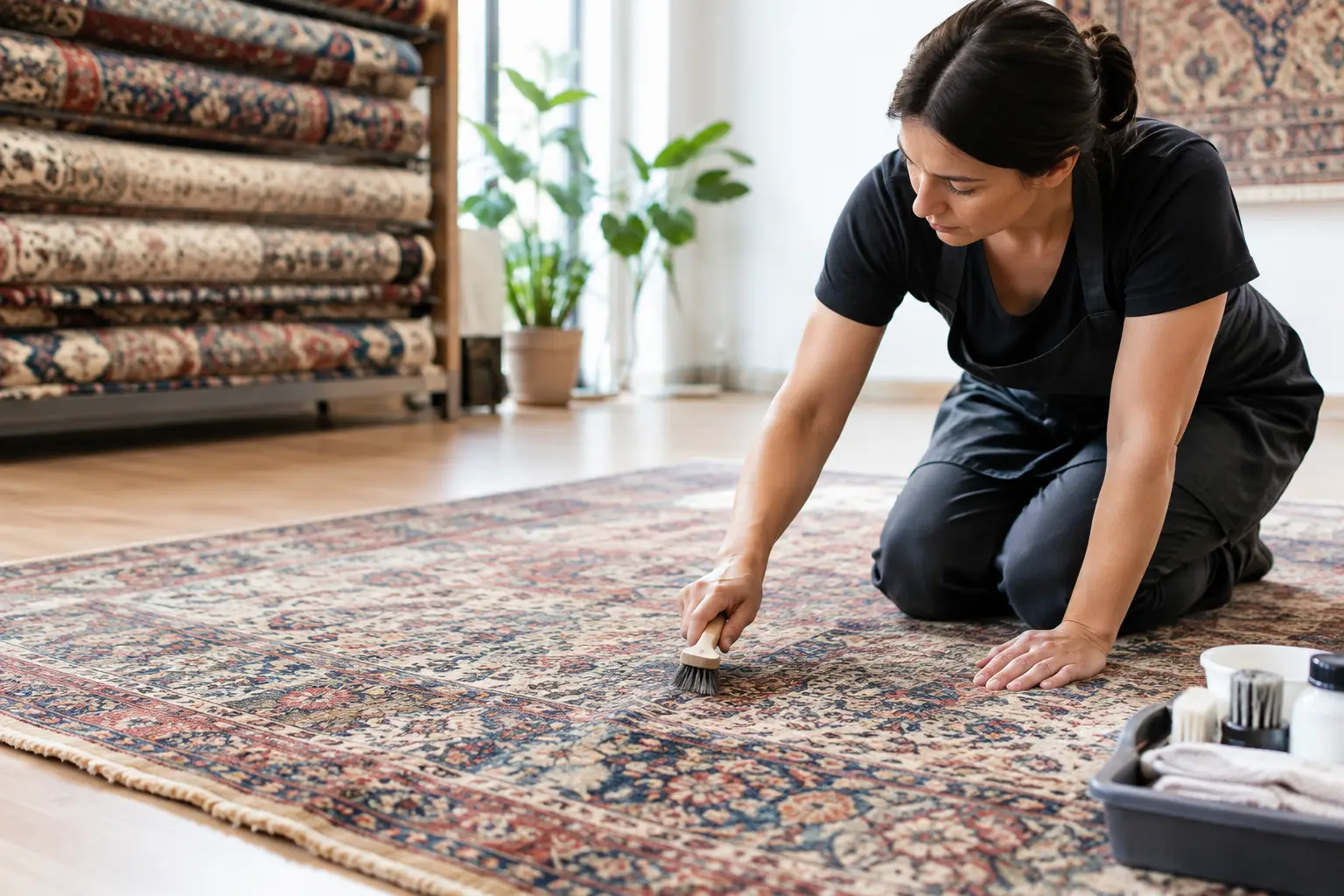
Marietta rug restoration can preserve color, texture, and history. Learn when repair makes sense and how thoughtful care protects a cherished rug at home.
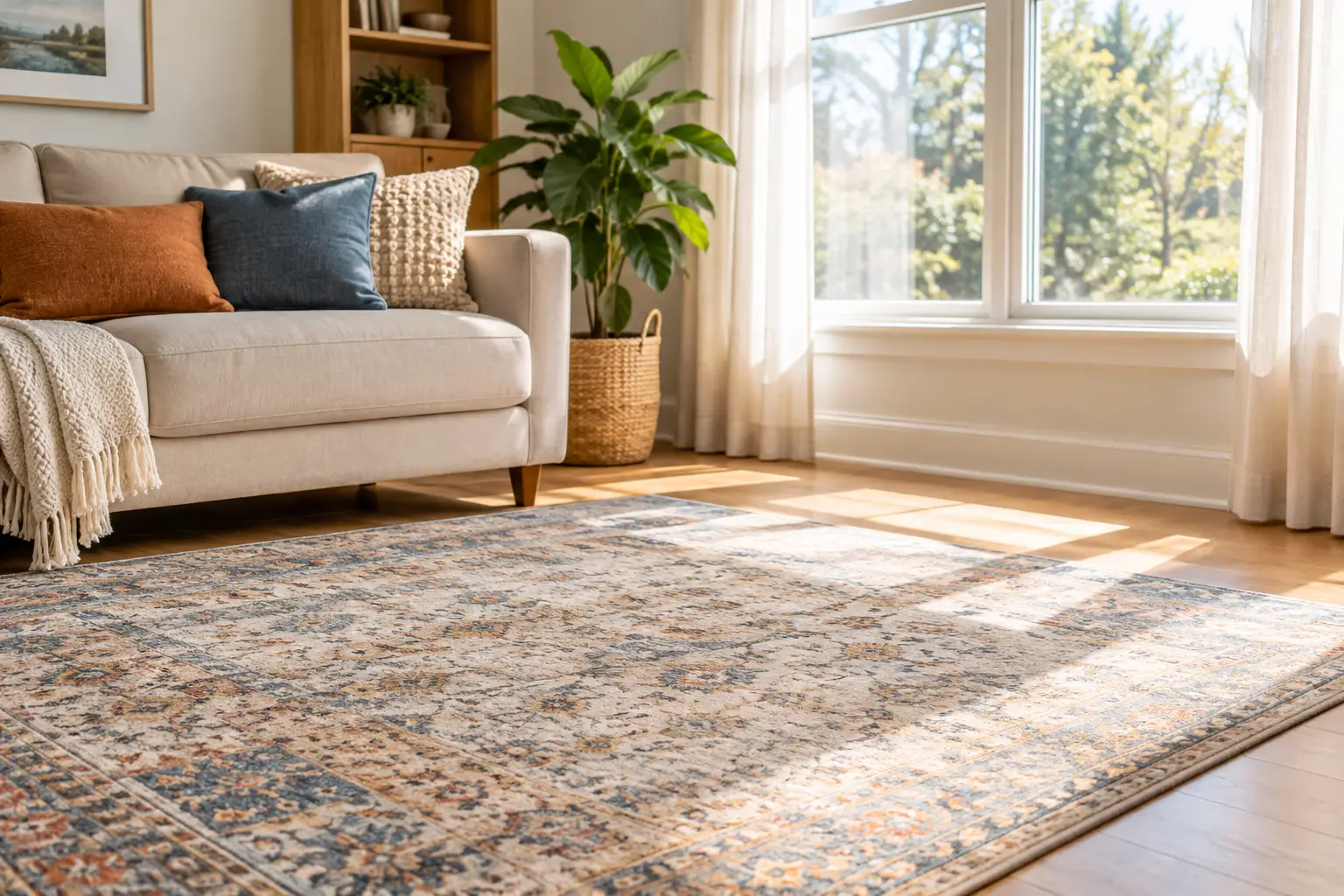
Learn how to protect rugs from sun fading with thoughtful window treatments, rotation, cleaning, and placement tips that preserve color and comfort daily.
From cozy area rugs to statement-making wall décor, our curated categories make it easy to explore what speaks to your space. Whether you’re refreshing a single corner or reimagining your whole home, start here and discover pieces that bring it all together.