


How to Remove Pet Odors From Rugs Safely
Learn how to remove pet odors from rugs without harming color or fibers, plus when professional washing is the smarter choice for a fresh home that lasts.
A room can have beautiful furniture, flattering paint, and plenty of natural light, yet still feel slightly unfinished. Often, the missing piece is underfoot. When searching for a rug store roswell ga homeowners can rely on, the goal is not simply to find a pattern you like. It is to find a rug that gives the room proportion, softness, personality, and a sense that every element belongs together.
The right rug can make a classic living room feel more current, bring warmth to a bedroom, or give an open-concept space clearer definition. The wrong one can make a thoughtfully furnished room feel cramped, disconnected, or unexpectedly busy. That is why seeing rugs in person, considering them in the context of your home, and getting real guidance on size and material can make all the difference.
Online shopping is useful for gathering ideas, but a rug is one of the hardest home purchases to judge from a screen. Color shifts from one device to another. Texture cannot be felt through a product photo. Even the apparent scale of a pattern can be misleading until you see it stretched across a floor.
A curated rug showroom gives you the chance to compare the qualities that matter in everyday life. You can see whether a soft ivory reads warm or cool beside the other colors in your home. You can feel the difference between a low-profile flatweave and a plush pile. You can also place several options beside each other and notice which one feels quietly refined rather than merely eye-catching.
That experience is especially helpful when you are furnishing a room around pieces you already own. A rug does not need to perfectly match a sofa, drapery, or wall color. In fact, a little contrast often creates a more collected, deeply personal look. What matters is that the colors, textures, and visual weight work in harmony.
The first question is usually, “What size rug do I need?” It is also the question that has the greatest impact on the finished room. A rug may be beautifully made and perfectly suited to your style, but if it is too small, the entire space can feel less generous.
In a living room, the most polished layouts generally allow the front legs of the seating to rest on the rug. In larger rooms, placing all furniture legs on the rug can create an especially grounded, tailored appearance. A smaller rug floating in the center can work in a compact room, but it should still feel intentionally connected to the seating arrangement rather than stranded between pieces.
Dining rooms need enough coverage for chairs to remain on the rug when pulled away from the table. This is where homeowners often underestimate the size they need. Before shopping, measure the table and add room around every side for chairs in use. A rug that ends just beneath the chair legs may look adequate until the first dinner party.
Bedrooms offer more flexibility, which makes them a wonderful place to introduce softness and calm. A large rug can sit beneath the bed and extend generously beyond both sides, giving you a comfortable first step in the morning. Alternatively, runners at each side of the bed can be a practical choice when the room layout or flooring makes a full-size rug less appealing.
If you are uncertain, painter’s tape is a simple planning tool. Marking a rug’s dimensions on the floor lets you see how much visual territory it will claim before you make a decision. Bring those measurements to the showroom along with photos of the room, nearby fabrics, and any paint or flooring samples you have.
A rug should support the rhythm of the household, not make you anxious every time someone walks through the door. Material, pile height, and construction all affect how a rug performs over time.
Wool remains a favorite for many rooms because it feels substantial, naturally soft, and beautifully textured. It can bring a sense of quiet luxury to a living room or bedroom, particularly when you want a rug that feels as considered as the furniture around it. Wool is often a strong long-term choice, though its texture and natural fiber character may be better suited to homeowners who appreciate a little organic variation.
Low-pile and flatwoven rugs are often ideal for high-traffic spaces, dining areas, and homes where easy movement matters. They can sit neatly beneath doors, work well with layered furniture arrangements, and offer a clean, relaxed finish. A lower profile does not mean a lesser design statement. A subtle geometric, tonal stripe, or softly weathered pattern can still give a room real presence.
For active family rooms, entry spaces, or homes with pets, look for designs that balance beauty with forgiveness. A nuanced pattern or mixed neutral palette can help soften the appearance of everyday life between cleanings. Very pale solid rugs can be striking, but they require a more intentional approach in rooms that see frequent use.
The best choice depends on your priorities. If you are styling a serene primary bedroom, softness may lead the decision. If you are anchoring a busy family room, durability and visual flexibility may matter more. A design professional can help you weigh those trade-offs without sacrificing the look you want.
A rug does more than fill floor space. It establishes a room’s emotional temperature. A textured neutral can make a space feel restful and elevated. A vintage-inspired pattern can add character to newer furnishings. A bolder modern design can give a simple room an artistic focal point.
When a room already has strong elements, such as patterned upholstery, dramatic wallpaper, or colorful artwork, a quieter rug often brings balance. That does not mean it must be plain. Natural variation, hand-finished texture, and low-contrast pattern can add interest without competing for attention.
On the other hand, a room with streamlined furniture and solid fabrics may benefit from a rug with more movement. Rich terracotta, muted blue, botanical motifs, or an abstract design can add the layer of personality that makes the room memorable. The key is repeating at least one or two rug tones elsewhere, perhaps in a pillow, lamp base, throw, or piece of art, so the color feels intentional.
This is also why it helps to shop for coordinating pieces in the same visit. A rug may be the foundation, but pillows, lighting, poufs, and throws are what carry its color and texture through the rest of the room. The result feels effortlessly styled rather than assembled one purchase at a time.
A good rug purchase is both aesthetic and practical. It accounts for the way sunlight changes a color throughout the day, how the rug will meet the edge of a hearth, whether a door needs clearance, and how the pattern looks from across the room. These details are easy to miss when you are shopping quickly or relying on a small digital image.
At Home Rug Gallery in Canton, customers can explore rugs as part of a more complete design conversation. That may mean comparing textures against existing finishes, discussing the right dimensions for a difficult room, or finding complementary home accents that make a new rug feel immediately at home. The experience is designed to be welcoming, not intimidating, whether you are updating one corner or refining an entire home.
A showroom also makes it easier to recognize quality in the details. Look closely at the edge finish, the density of the pile, the consistency of the backing, and the way the rug lies flat. These are not just technical considerations. They influence how the rug feels, wears, and lives in your space year after year.
Beautiful rugs deserve thoughtful care, particularly in homes with children, pets, frequent guests, or sunny rooms. A rug pad can add cushioning, help prevent shifting, and reduce wear caused by repeated foot traffic. Regular vacuuming should be appropriate for the rug’s construction, while prompt attention to spills can help protect fibers and preserve color.
For rugs with sentimental value, visible wear, or more serious staining, professional cleaning and restoration can be a meaningful alternative to replacement. Repairing fringe, addressing worn edges, or giving a treasured rug a more thorough cleaning can extend its place in your home. This is one reason working with a full-service rug resource offers value beyond the showroom floor.
The most satisfying rooms are rarely created by chasing a single trend. They come together through choices that feel right for the people who live there. Take measurements, bring inspiration, touch the textures, and give yourself permission to choose the rug that makes the room feel finished every time you walk in.
Learn how to remove pet odors from rugs without harming color or fibers, plus when professional washing is the smarter choice for a fresh home that lasts.
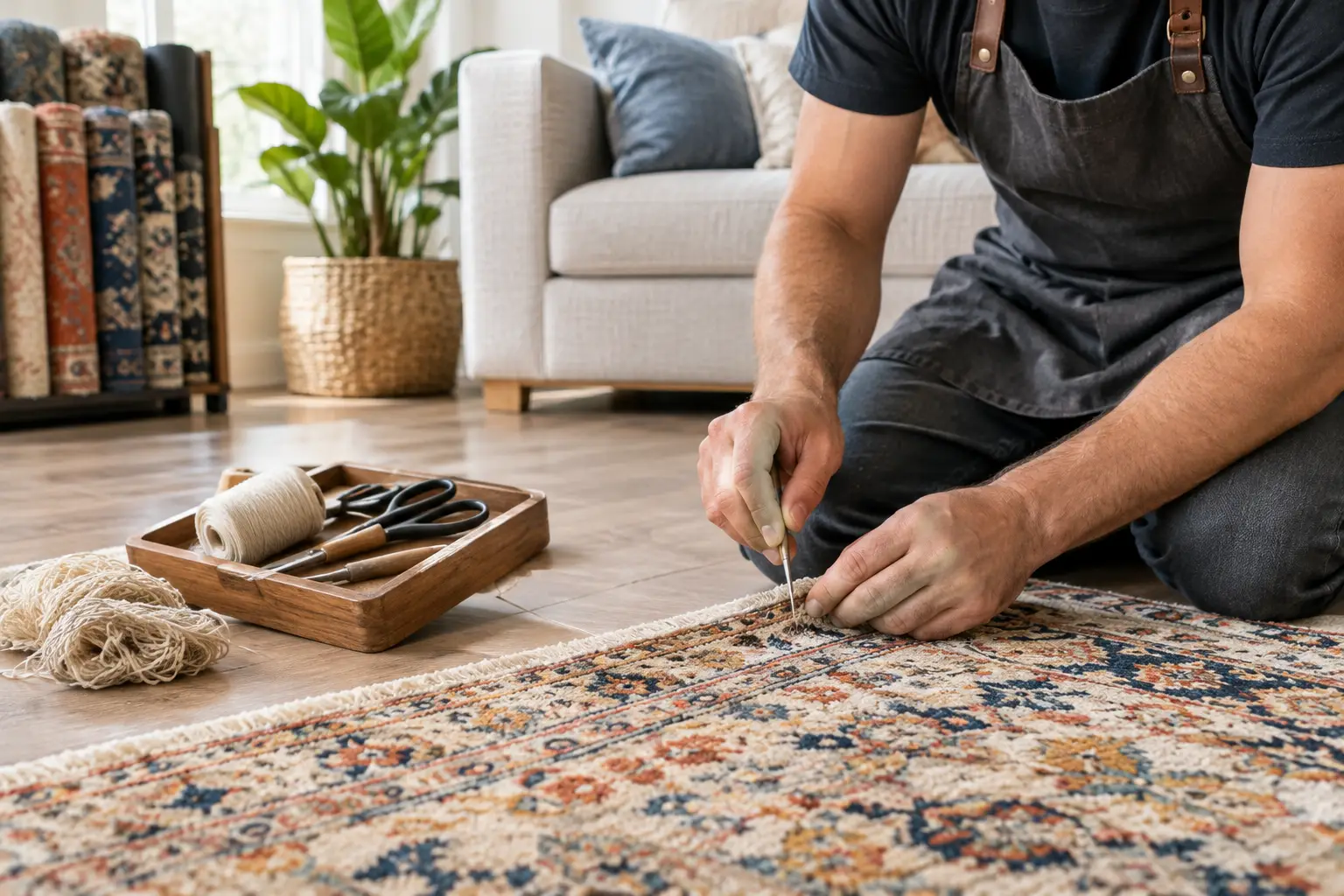
Use this Kennesaw rug repair guide to spot damage early, choose the right restoration, and protect the color, texture, and comfort of your favorite rug.
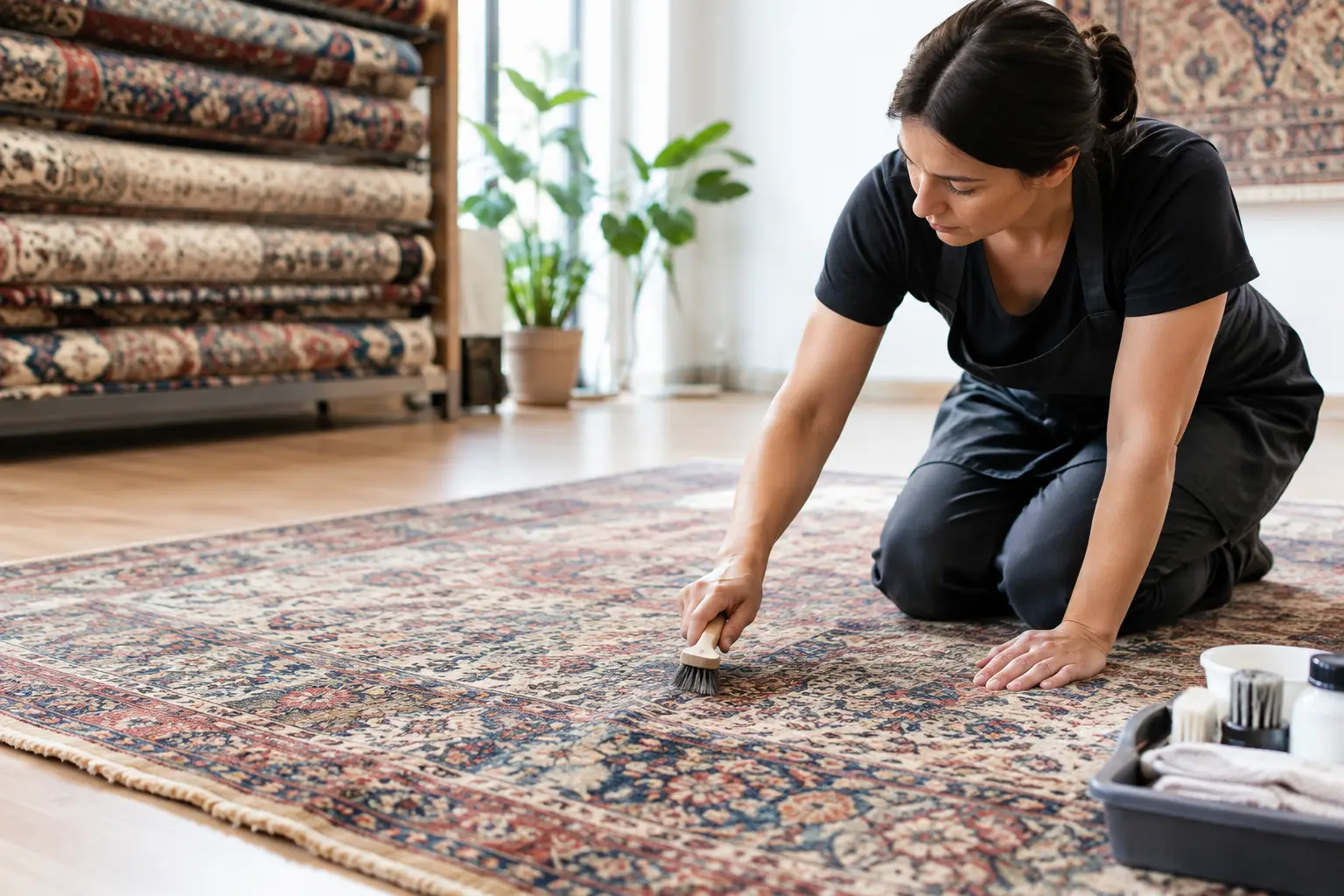
Marietta rug restoration can preserve color, texture, and history. Learn when repair makes sense and how thoughtful care protects a cherished rug at home.
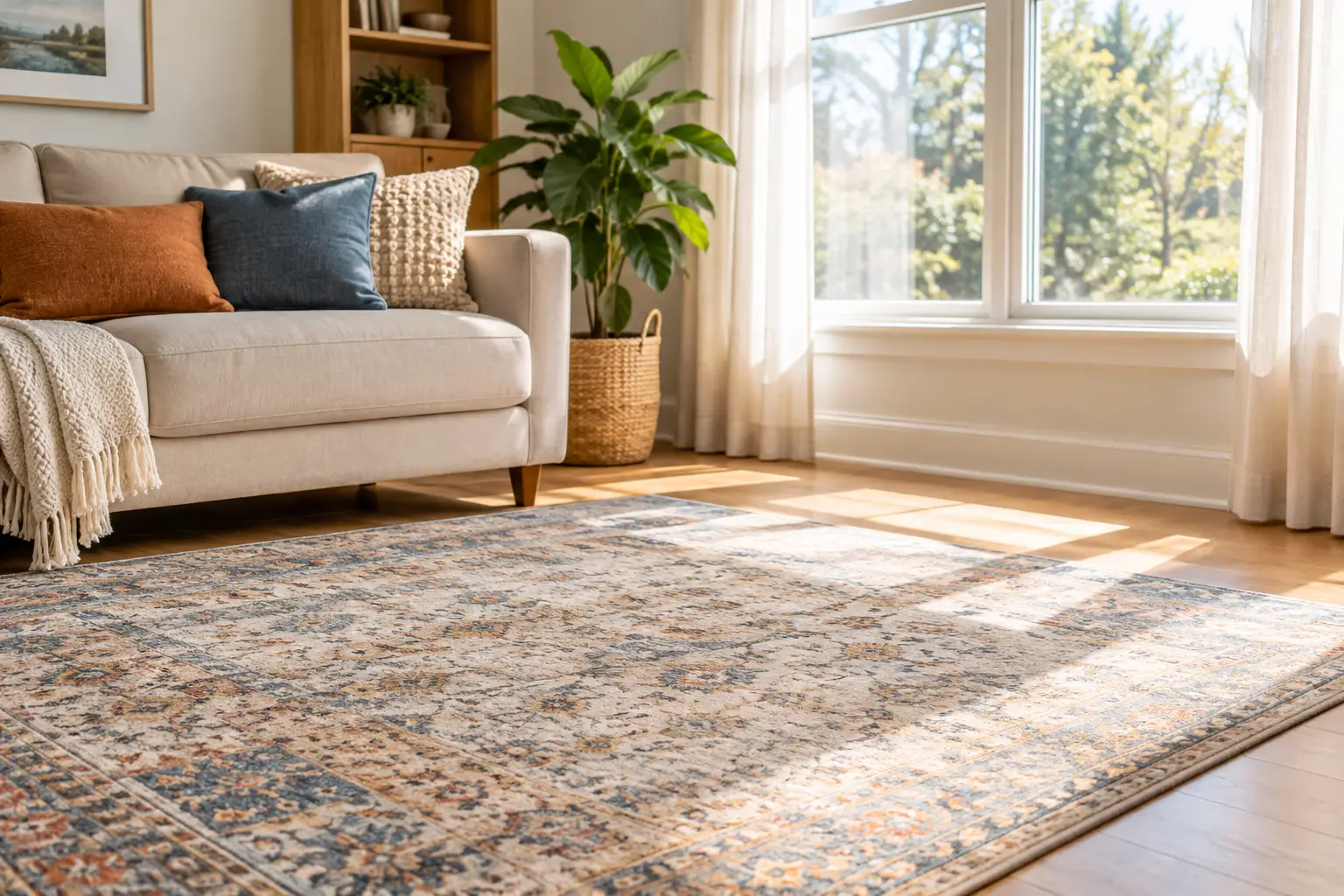
Learn how to protect rugs from sun fading with thoughtful window treatments, rotation, cleaning, and placement tips that preserve color and comfort daily.
From cozy area rugs to statement-making wall décor, our curated categories make it easy to explore what speaks to your space. Whether you’re refreshing a single corner or reimagining your whole home, start here and discover pieces that bring it all together.