


How to Remove Pet Odors From Rugs Safely
Learn how to remove pet odors from rugs without harming color or fibers, plus when professional washing is the smarter choice for a fresh home that lasts.
The right rug can settle a room in an instant. If you have ever brought one home only to find it too small, too busy, or just slightly off in color, you already understand why Woodstock custom rug options are worth a closer look. A custom rug gives you more control over proportion, palette, texture, and finish, so the room feels intentional instead of almost right.
For many homeowners, the appeal is not only aesthetic. Custom work helps solve the practical issues that show up in real homes – open floor plans, unusual room dimensions, busy family spaces, layered seating areas, and personal style that does not fit neatly into standard inventory. The result is a room that feels more polished, more comfortable, and more deeply personal.
Standard rug sizes work beautifully in many rooms, but they are not the answer for every layout. A long, narrow sitting room may need a proportion you do not see on the rack. A breakfast nook might call for a shape that keeps chairs on the rug even when they are pulled back. A bedroom may need a softer visual edge and a broader footprint than a common ready-made size can offer.
This is where customization becomes especially valuable. Instead of adjusting your furniture plan to suit a rug, you shape the rug around the way you actually live. That could mean choosing a specific width and length, refining the border, or selecting a fiber that feels right underfoot while still working for the traffic the room sees every day.
There is also the design advantage. The most beautiful interiors often feel effortless because every element relates to the next. A custom rug can pick up the undertone in your drapery, quiet down a bold room with texture, or introduce pattern in a way that feels measured rather than loud. When those decisions are made carefully, the whole room feels better resolved.
When people first hear the word custom, they sometimes assume it means designing from scratch. Sometimes it does, but often it simply means having more choice in the details that matter most.
Size is usually the first and most important decision. In a living room, a rug that is too small can make the furniture feel disconnected. In a dining room, the wrong scale can catch chair legs and make the space feel cramped. Custom sizing allows the rug to support the furniture layout instead of interrupting it.
Shape matters too. Rectangles are classic for a reason, but they are not always the best fit. Round rugs can soften breakfast areas, square rugs can anchor symmetrical seating plans, and runners can be tailored for halls, kitchens, or transitions where a standard length never quite works.
The way a rug feels is just as important as the way it looks. Wool offers softness, resilience, and a classic finish that suits many living spaces. Performance-oriented fibers can be a smart choice in homes with children, pets, or heavier everyday traffic. Natural textures such as sisal or wool blends can bring a quieter, more tailored look, especially in spaces where you want warmth without too much pattern.
There is always a balance. Plush textures feel luxurious, but they may not be ideal beneath a dining table where chair movement matters. Low-profile constructions can be easier in active rooms, though they create a different visual mood. The right answer depends on where the rug will live and how you want the room to function.
Color is where many custom projects become truly transformative. Sometimes the goal is to match an existing room palette more closely. Other times, it is about creating contrast with intention. A soft tonal rug can calm a room with statement art or patterned upholstery. A richer, more graphic design can give structure to a space that feels visually flat.
Pattern scale is often overlooked, but it changes everything. A tiny repeated motif may read as texture from across the room, while an oversized pattern becomes part of the architecture of the space. If your room already has movement through pillows, window treatments, or wallpaper, a quieter rug may be the better choice. If the room needs energy, pattern can provide it.
The finish on a custom rug affects both style and polish. Bound edges, serged finishes, and broader borders each create a different look. These details may seem small, but they can tie the rug more closely to the furnishings around it. A crisp border can feel tailored and formal, while a simpler finish often suits a more relaxed interior.
Not every room needs the same solution, which is why the best Woodstock custom rug options start with the space itself.
In a living room, the rug should define the conversation area and create visual unity. For most layouts, that means at least the front legs of the seating should rest on the rug, though larger rooms often benefit from an even more generous footprint. A custom rug is especially helpful when a room is open to adjoining spaces and needs a clear sense of structure.
Texture also plays a big role here. Living rooms usually benefit from softness and depth, but the exact finish depends on how formal or relaxed you want the room to feel.
Dining rooms ask more from a rug than people expect. It needs to frame the table well, accommodate chairs when they are pulled out, and still feel balanced within the room. Custom sizing can make that much easier, especially in rooms with architectural quirks or oversized tables.
Low to medium pile is often a practical choice here. It keeps the room comfortable while making movement around the table easier.
Bedrooms are where custom rugs can bring a sense of quiet luxury. The right size adds softness where you step first thing in the morning and gives the room a more finished, layered feel. In some bedrooms, that means a large rug placed under the bed. In others, it may mean runners on each side or a shape that complements an unusual furniture arrangement.
The color story tends to matter more in bedrooms because the room is meant to feel restful. Gentle texture, softer contrast, and a palette that supports calm usually work beautifully.
These are often the spaces where standard sizing falls short. Runners that are too short or too narrow can feel like an afterthought. A custom solution helps these hardworking areas feel connected to the rest of the home instead of purely functional.
Durability matters here, but so does appearance. These passage spaces shape the experience of the whole home, so they deserve the same attention as larger rooms.
Screens can give you a starting point, but rugs are tactile by nature. Texture, color variation, sheen, and density all read differently in person than they do online. A gray that looks soft on a screen may lean cool in your lighting. A flat weave that appears simple in a photo may have beautiful dimension once you can actually see it.
That is why many homeowners prefer to shop custom rugs through a design-oriented showroom experience. Comparing materials side by side, looking at edge finishes up close, and talking through room layout with someone who understands scale can prevent expensive design mistakes and help the final choice feel far more confident.
For homeowners in Woodstock and nearby communities, working with a local resource such as Home Rug Gallery also brings a level of practical guidance that is hard to replicate from a product page alone. When the goal is a room that feels effortlessly styled, those details matter.
A custom rug usually makes the most sense when the room has specific needs that off-the-shelf options are not solving. Maybe your space has unusual dimensions. Maybe you have found the right texture but not the right size. Maybe everything you see is close, but never quite right in tone, border, or pattern scale.
It also makes sense when you are designing with intention. If you are investing in furniture, lighting, and decor that work together, the rug should support that same level of thought. It does not need to shout for attention. In many of the most beautiful homes, the rug is doing quieter work – grounding the room, softening the edges, and making everything around it feel more complete.
The best custom choice is rarely about adding more. It is about refining what is already there so the room feels natural, balanced, and lived in. When a rug fits the space properly and speaks the same design language as the rest of the room, you notice the difference every day.
Learn how to remove pet odors from rugs without harming color or fibers, plus when professional washing is the smarter choice for a fresh home that lasts.

Use this Kennesaw rug repair guide to spot damage early, choose the right restoration, and protect the color, texture, and comfort of your favorite rug.

Marietta rug restoration can preserve color, texture, and history. Learn when repair makes sense and how thoughtful care protects a cherished rug at home.
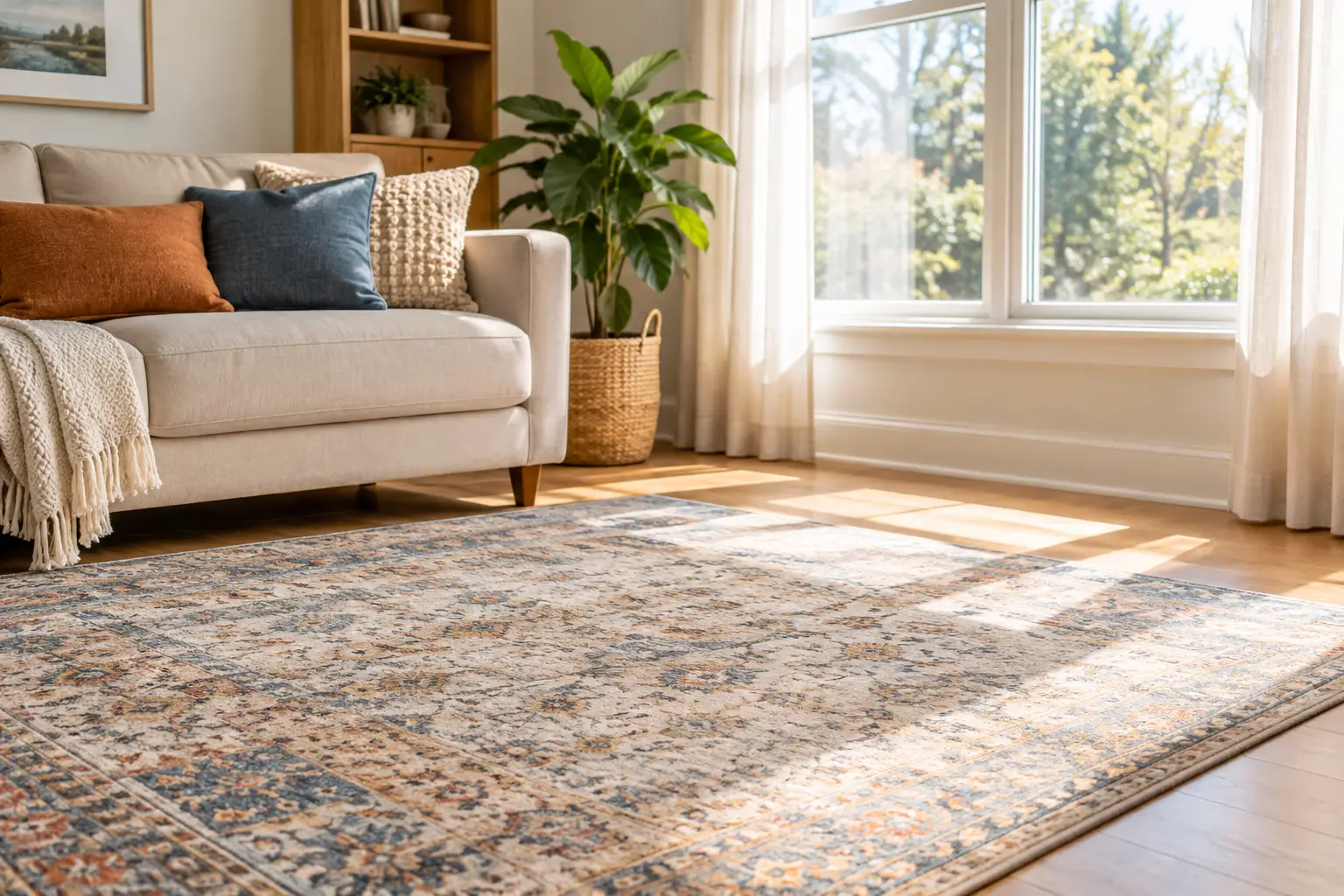
Learn how to protect rugs from sun fading with thoughtful window treatments, rotation, cleaning, and placement tips that preserve color and comfort daily.
From cozy area rugs to statement-making wall décor, our curated categories make it easy to explore what speaks to your space. Whether you’re refreshing a single corner or reimagining your whole home, start here and discover pieces that bring it all together.