

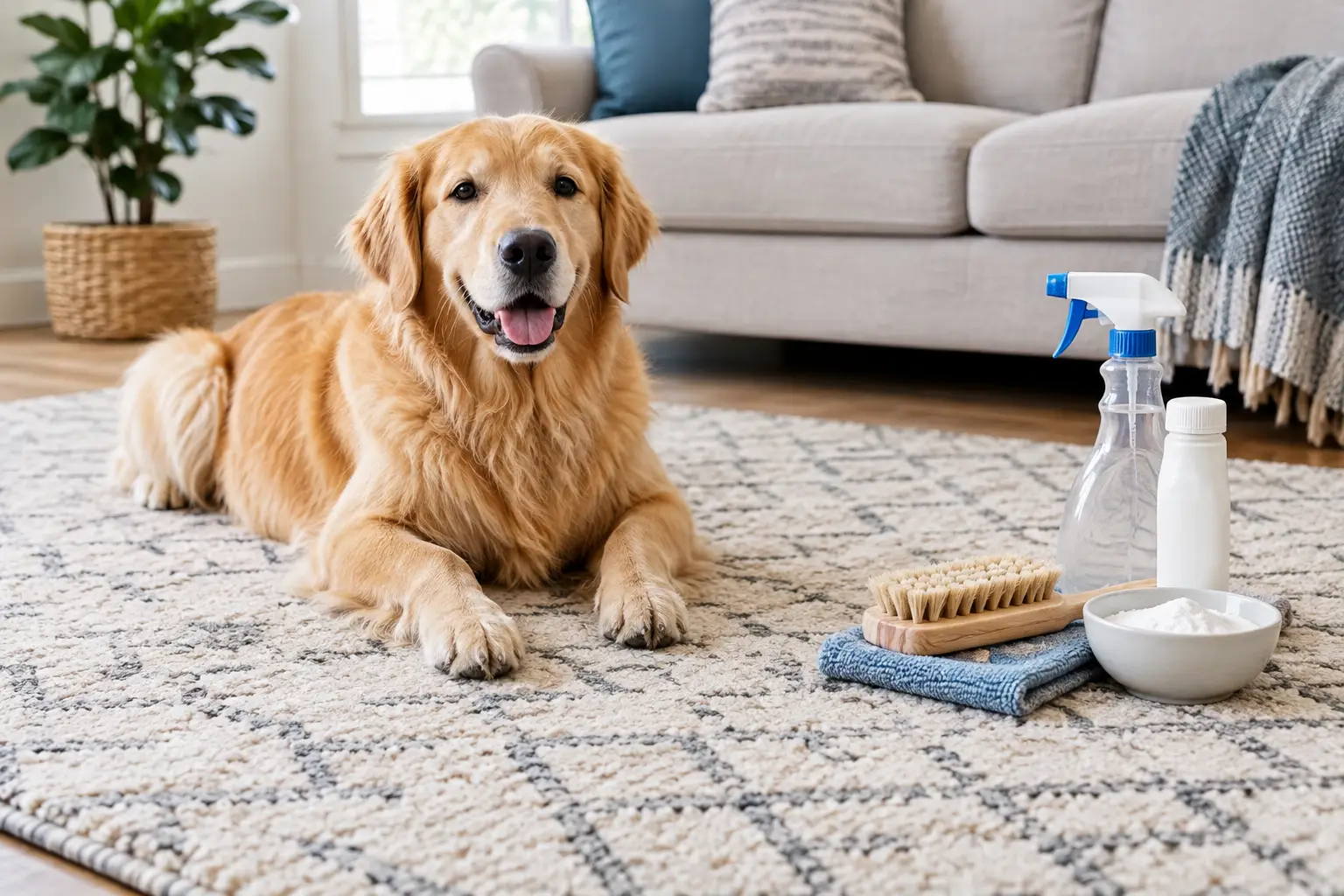
How to Remove Pet Odors From Rugs Safely
Learn how to remove pet odors from rugs without harming color or fibers, plus when professional washing is the smarter choice for a fresh home that lasts.
A beautiful rug should feel like part of the room, not a fragile detail you are constantly protecting. When homeowners ask what rug material lasts longest, the most reliable answer is usually wool – but the right choice depends on where the rug will live, who lives with it, and how you want the room to feel.
A quiet, tailored wool rug can serve a living room for decades. A high-quality synthetic may be the wiser choice beneath a busy dining table or in a family room where spills are simply part of the routine. The longest-lasting rug is not always the toughest fiber on paper. It is the one whose material, construction, and care match the way your home is actually used.
For most homes, wool is the rug material that lasts longest while still offering a luxurious look and feel. Wool fibers have a natural springiness that helps them recover after furniture, foot traffic, and everyday use. They resist crushing better than many softer fibers, and their natural oils offer a degree of stain resistance.
That durability is one reason wool has long been favored for hand-knotted and hand-tufted rugs designed to become lasting pieces in a home. A well-made wool rug can age beautifully, developing character rather than simply looking worn out. It also brings warmth, texture, and a polished finish to spaces where comfort matters as much as performance.
Still, wool is not the automatic answer for every room. A material that lasts a generation in a low-traffic sitting room may not be the most practical option for an entry near muddy shoes, a playroom, or an outdoor-adjacent space. The best decision begins with the room, then considers the fiber.
Two rugs made from the same material can perform very differently. Fiber is only one part of longevity. Construction determines how securely that fiber is held in place and how well the rug withstands pressure over time.
Hand-knotted rugs are generally the most enduring construction because each knot is tied individually. Their dense, detailed structure can handle years of use and, when needed, professional restoration. These are often the rugs homeowners keep, move with, and pass along.
Hand-tufted rugs can offer a beautiful, approachable look, but they are typically made by pushing yarn through a backing and securing it with adhesive. Over many years, especially in sunny or high-traffic areas, that backing can weaken. Machine-made rugs vary widely in quality, yet a well-constructed option in the right synthetic fiber can be a remarkably hardworking choice for an active household.
Pile height also affects performance. A lower pile is usually easier to clean and less likely to flatten under dining chairs, pet traffic, or hallway use. Plush high-pile rugs feel inviting underfoot, but they ask more of the fiber and may show compression sooner.
Wool earns its reputation because it balances resilience with elegance. Its fibers naturally bounce back after being walked on, helping the surface retain its texture and dimension. Wool also holds dye exceptionally well, so color can remain rich and nuanced rather than looking flat or faded.
For living rooms, bedrooms, formal dining rooms, and refined sitting areas, wool offers the sort of quiet luxury that makes a room feel intentionally finished. It works beautifully with layered interiors because it can be soft, textural, tailored, traditional, or contemporary depending on the weave and pattern.
There are trade-offs. Wool rugs can shed when new, especially those with a thicker pile. They also benefit from prompt attention to spills and periodic professional cleaning. For families, that does not mean wool is off-limits. It simply means selecting a pattern, texture, or mid-tone colorway that is forgiving enough for real life.
If pure durability is the priority, nylon is among the strongest synthetic rug fibers. It is exceptionally resilient, resists abrasion, and recovers well from heavy traffic. This makes it a practical choice for hallways, playrooms, casual family rooms, and other spaces that see daily movement.
Nylon rugs are often easier to maintain than natural fibers and can be especially appealing in homes with children or pets. They are available in an enormous range of patterns and finishes, allowing a hardworking rug to still feel aligned with the rest of the room.
The distinction is largely aesthetic and tactile. Nylon can look quite refined, but it does not always deliver the natural depth, subtle variation, and underfoot warmth of wool. In a high-use space, that compromise may be well worth it. In a formal room where the rug is a major design statement, many homeowners still prefer wool.
Polypropylene is highly resistant to moisture and many stains, which makes it useful for casual rooms, covered patios, entry-adjacent areas, and homes that need low-maintenance options. It is often a sensible material for spaces where the rug may face frequent messes or humidity.
Its weakness is resilience. Polypropylene fibers can flatten under sustained pressure, particularly in a dense traffic lane or beneath heavy furniture. It is often durable in the sense that it resists stains and moisture, but less durable in the sense that it will retain a fresh, lifted appearance for many years.
Polyester is soft, color-rich, and often appealing in bedrooms or lower-traffic spaces. It can resist water-based stains well, but it is more likely to crush or mat compared with wool and nylon. Think of polyester as a comfortable, style-forward material for rooms that do not demand the highest level of performance.
Jute, sisal, seagrass, and other plant fibers bring an organic, collected quality to a room. Their texture can ground airy interiors, soften a layered look, and add visual interest beneath furniture. They are particularly effective in casual living spaces, sunrooms, and rooms that need a natural counterpoint to upholstered pieces.
These materials can be quite sturdy, but they are not universally long-lasting. Moisture is their main challenge. Jute can darken, stain, or weaken when wet, while sisal and seagrass can feel rougher underfoot and may be difficult to clean after a major spill. Their fibers can also feel less forgiving in homes where bare feet, crawling children, or pets are part of daily life.
Natural fiber rugs often work best when their role is understood: they are exceptional for texture and relaxed sophistication, not necessarily for handling every possible household accident.
A rug’s placement should guide the decision. Wool is often ideal for living rooms and bedrooms, where it can deliver comfort and lasting style. Nylon is a strong fit for high-traffic family rooms, hallways, and play spaces. Polypropylene works well where moisture and easy cleanup are the central concerns, while natural fibers add texture in lower-risk spaces.
Dining rooms require special thought. Low-pile wool, nylon, or a well-made synthetic is often easier to live with than a thick, lofty rug. Chairs slide more smoothly, crumbs are easier to remove, and the surface is less likely to show compressed spots. If you love the softness of wool under a dining table, choose a durable construction and a pattern that gives everyday marks somewhere to hide.
For entryways, consider not only foot traffic but what comes in with it. Rain, red Georgia clay, pet paws, and shoes all influence the best material. A resilient synthetic may be the more relaxed choice, while a wool rug in a detailed pattern can work beautifully when paired with consistent care.
Even the best fiber needs thoughtful care. Use a properly sized rug pad to reduce slipping, soften impact, and minimize wear from the floor beneath. Rotate the rug periodically so sunlight and traffic do not concentrate in one area. Vacuum regularly with the settings adjusted for the rug’s pile and construction, avoiding aggressive beater bars on delicate or fringe-heavy pieces.
Spills deserve quick, gentle attention. Blot rather than scrub, and avoid saturating natural fibers with water. Professional cleaning is especially valuable for quality wool and handmade rugs because it removes embedded soil that can gradually abrade fibers from within.
If a cherished rug begins to show loose edges, fringe wear, or a small tear, early repair can protect the piece from more extensive damage. At Home Rug Gallery, seeing a rug in person also makes it easier to compare fibers, pile heights, and textures before bringing one into your home.
The right rug should support the life happening around it – morning coffee, gathered dinners, pets finding their favorite spot, and rooms that become more personal over time. Choose the material that can meet that life gracefully, then give it the care that lets its beauty stay with you.
Learn how to remove pet odors from rugs without harming color or fibers, plus when professional washing is the smarter choice for a fresh home that lasts.
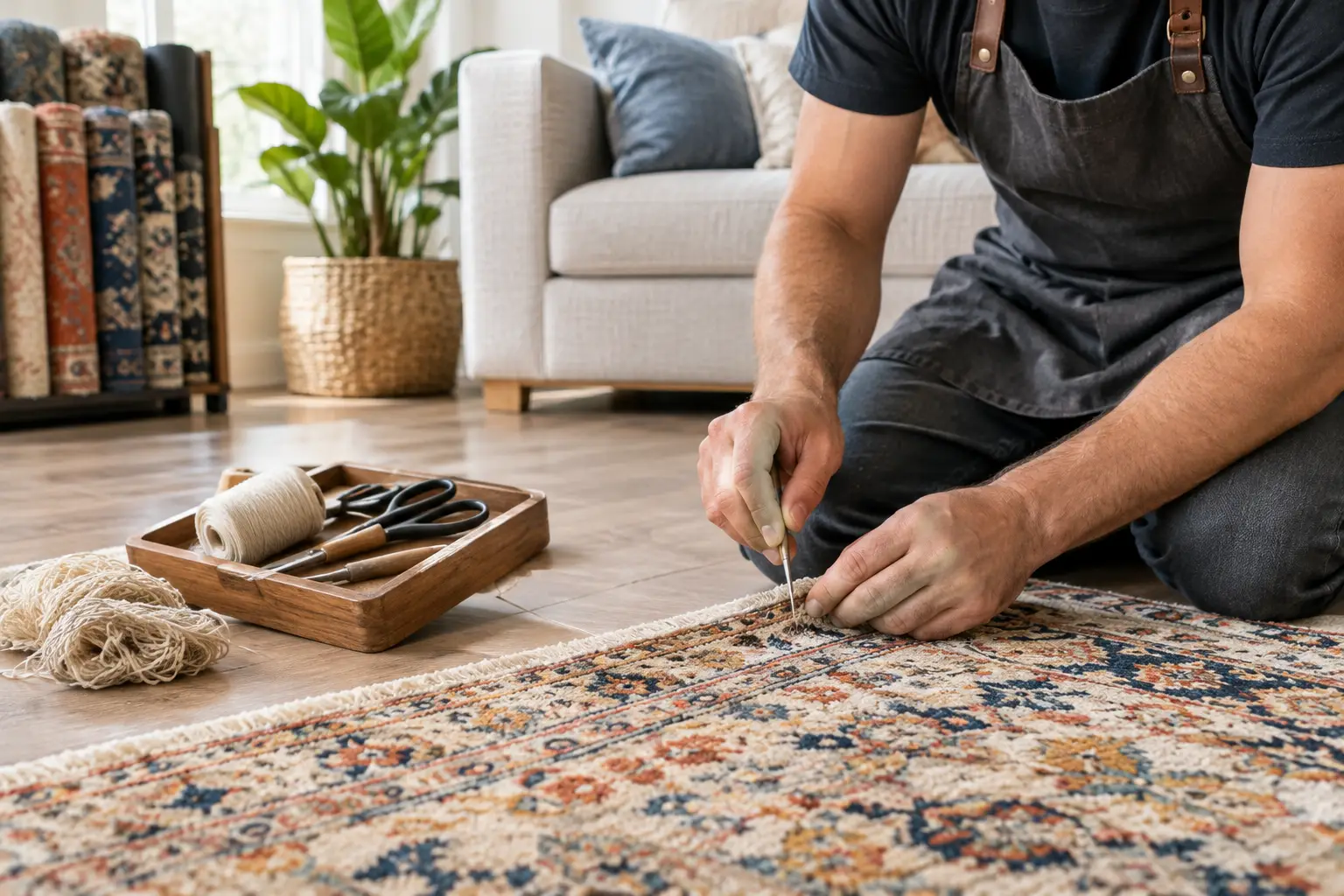
Use this Kennesaw rug repair guide to spot damage early, choose the right restoration, and protect the color, texture, and comfort of your favorite rug.
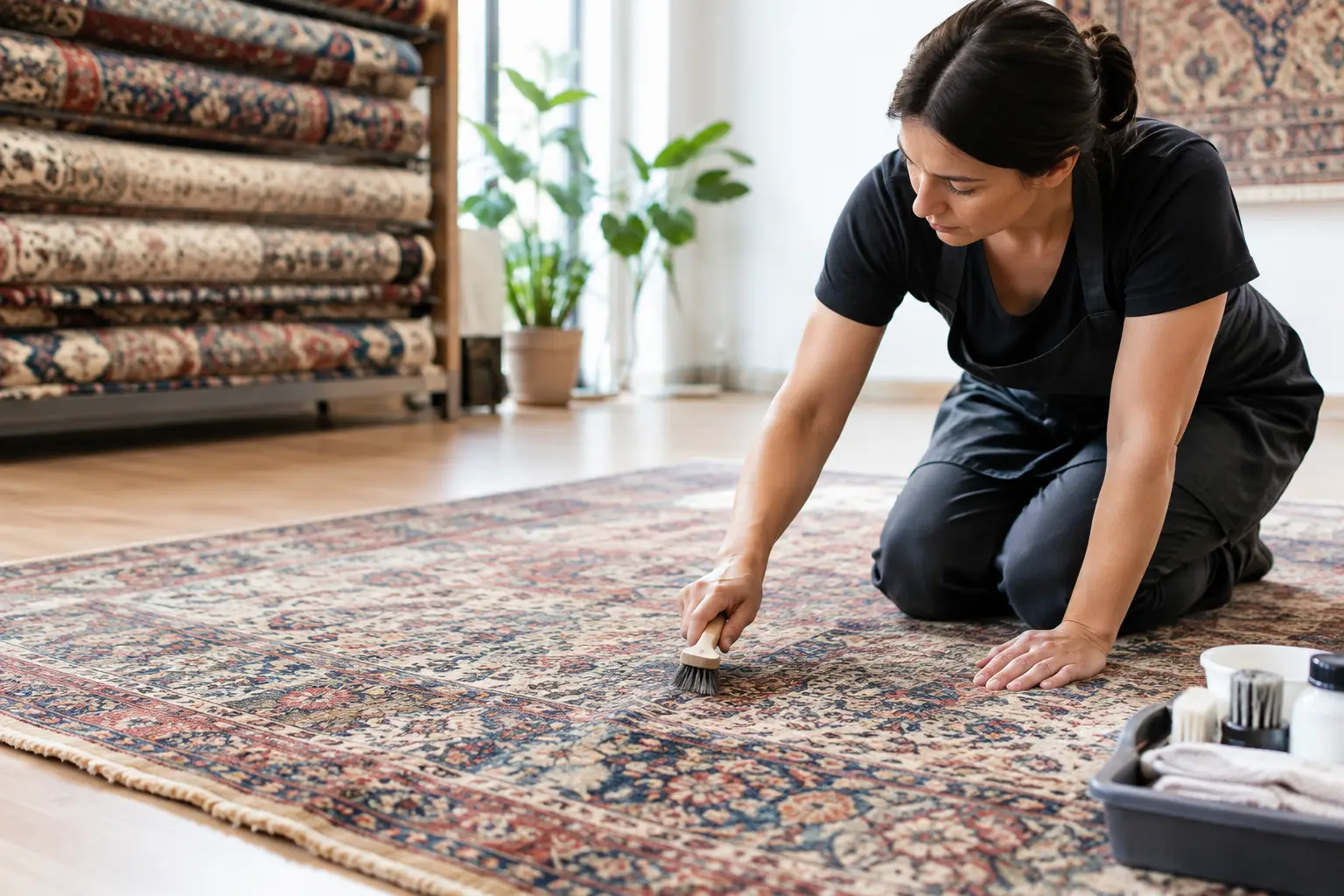
Marietta rug restoration can preserve color, texture, and history. Learn when repair makes sense and how thoughtful care protects a cherished rug at home.
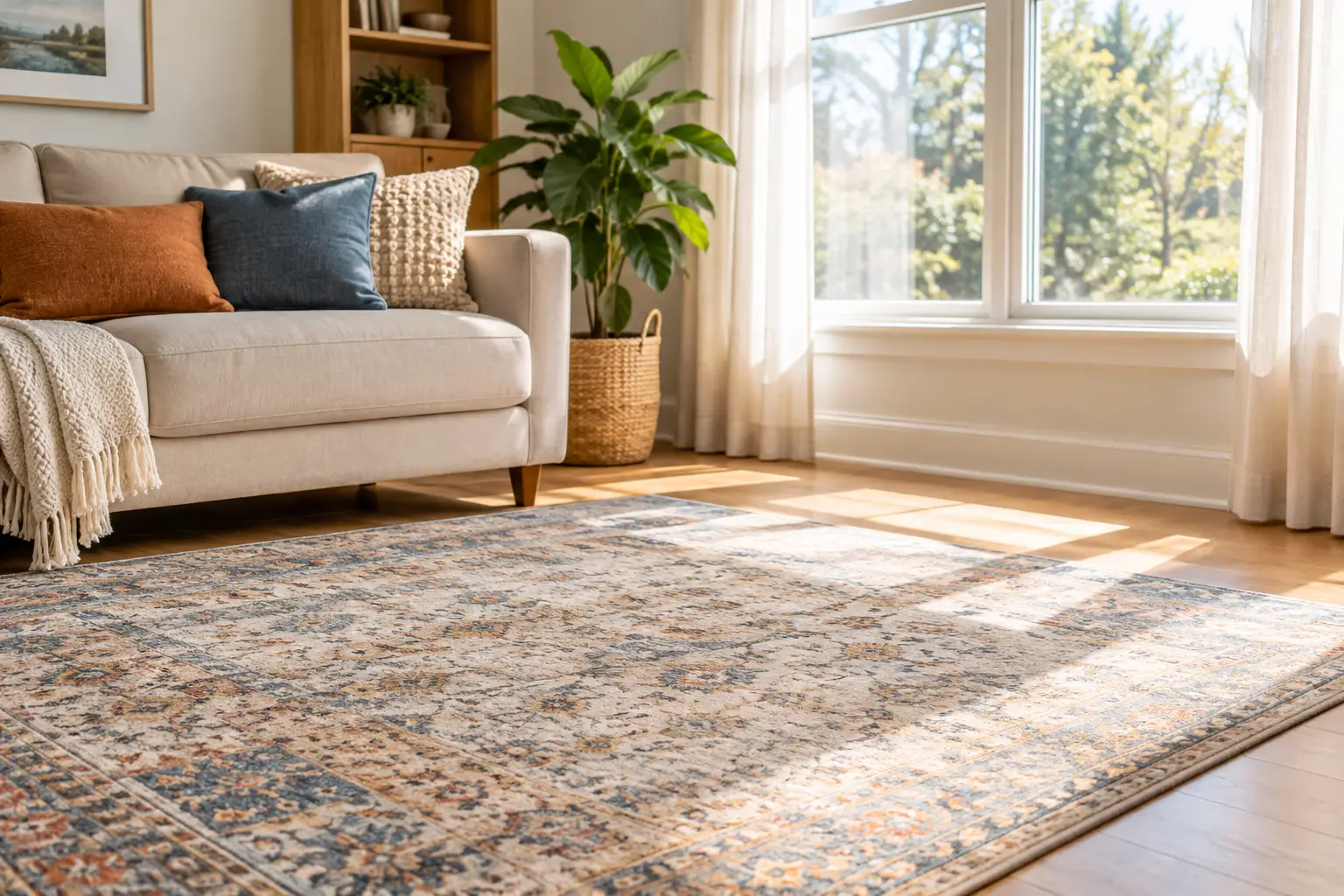
Learn how to protect rugs from sun fading with thoughtful window treatments, rotation, cleaning, and placement tips that preserve color and comfort daily.
From cozy area rugs to statement-making wall décor, our curated categories make it easy to explore what speaks to your space. Whether you’re refreshing a single corner or reimagining your whole home, start here and discover pieces that bring it all together.